
Author: negociosnanet001@gmail.com

  • Online Therapy for OCD: What Works and What to Expect

    Online Therapy for OCD: What Works and What to Expect

    Online Therapy for OCD: What Works and What to Expect

    Evidence-based digital treatment options are making OCD care more accessible than ever — here’s what the research actually shows.

    Introduction

    Marcus, 41, had spent nearly two decades managing rituals that most people around him didn’t understand. He’d check the stove five, sometimes ten times before leaving the house. He’d reread emails until the words blurred. When he finally called a therapist’s office, the next available appointment was three months out — and it wasn’t covered by his insurance.

    His story isn’t unusual. According to the National Institute of Mental Health (NIMH), obsessive-compulsive disorder (OCD) affects approximately 2.3% of American adults — roughly 5.8 million people. Despite being one of the most treatable mental health conditions, the average person with OCD waits 14 to 17 years before receiving an accurate diagnosis and effective care.

    Online therapy is changing that timeline. In this guide, you’ll learn what online therapy for OCD actually involves, which approaches have the strongest evidence, how to choose the right platform, and what real progress looks like — so you can make an informed decision about your own care.

    What Is OCD, and Why Does It Require Specialized Treatment?

    Obsessive-compulsive disorder is a chronic mental health condition characterized by two distinct features: obsessions (unwanted, intrusive thoughts or mental images that cause significant distress) and compulsions (repetitive behaviors or mental acts performed to temporarily reduce that distress).

    The key word here is temporarily. Compulsions offer short-term relief but reinforce the obsessive cycle over time, making the anxiety worse — not better. Common obsessions involve fears of contamination, harm, symmetry, or forbidden thoughts. Compulsions can be visible (hand-washing, checking) or internal (counting, reassurance-seeking, mental reviewing).

    OCD is classified by the American Psychiatric Association as distinct from general anxiety disorders, and it responds best to a specific therapeutic approach called Exposure and Response Prevention (ERP) — not the generic talk therapy that works well for many other conditions. This distinction matters enormously when choosing a provider, online or in-person.

    According to the International OCD Foundation (IOCDF), ERP produces meaningful symptom reduction in approximately 60 to 80 percent of people who complete the treatment — making it one of the most effective interventions in all of psychiatry.

    What Online Therapy for OCD Actually Looks Like

    Online therapy for OCD is not a one-size-fits-all service. The format, intensity, and approach vary significantly depending on the platform and the provider. Here’s what to expect from the most evidence-supported options:

    Exposure and Response Prevention (ERP) via Telehealth

    ERP delivered via live video sessions is currently the gold standard of online OCD treatment. During ERP, a trained therapist guides you through gradual, structured exposure to the thoughts, situations, or objects that trigger your obsessions — while helping you resist the urge to perform a compulsion.

    A 2021 meta-analysis published in the journal Journal of Anxiety Disorders found that internet-delivered ERP produced effect sizes comparable to in-person ERP for mild to moderate OCD, with significant advantages in reach and treatment completion rates.

    In a telehealth session, your therapist might guide you through an exposure exercise in your actual home environment — which can actually be a therapeutic advantage, since many OCD triggers are location-specific (your kitchen, your bathroom, your driveway).

    Cognitive Behavioral Therapy (CBT) Combined with ERP

    Most licensed online therapists who specialize in OCD integrate Cognitive Behavioral Therapy (CBT) — which helps you identify and challenge distorted thinking patterns — alongside ERP exercises. This combined approach helps you understand why the obsession feels so threatening, not just how to resist the compulsion.

    Acceptance and Commitment Therapy (ACT)

    Some providers incorporate Acceptance and Commitment Therapy (ACT), a newer approach that focuses on accepting uncomfortable thoughts without over-identifying with them. Research suggests ACT can be helpful as a complement to ERP, particularly for people who struggle with the distress tolerance required in standard exposure work.

    Asynchronous and App-Based Tools

    Several platforms now offer structured OCD programs with asynchronous messaging, guided audio exercises, and between-session skill-building tools. While these self-guided digital tools are not a replacement for live therapy, clinical evidence suggests they can serve as useful supplements or as a first step for people on waiting lists.

    Who Is a Good Candidate for Online OCD Therapy?

    Online therapy for OCD works best for specific circumstances. Research suggests the following factors support positive outcomes:

    • Mild to moderate OCD severity (a Yale-Brown Obsessive Compulsive Scale score under 24)
    • Stable home environment without active safety concerns
    • Access to reliable internet and a private space for sessions
    • Ability to engage in between-session exposure exercises independently
    • No current psychosis, active suicidal ideation, or severe substance use disorder

    For individuals with severe OCD — including those who are unable to leave the house, engage in hours of compulsions daily, or have co-occurring conditions that require closer monitoring — an initial in-person intensive outpatient program (IOP) may be more appropriate before transitioning to online follow-up care.

    This varies from person to person. A thorough intake evaluation with a qualified provider is the most reliable way to determine the right level of care for your situation.

    Choosing the Right Online Therapy Platform for OCD

    Not every online therapy platform is equipped to treat OCD effectively. Many general teletherapy services offer CBT broadly but lack therapists specifically trained in ERP. This distinction can make a significant clinical difference.

    Here’s what to look for when evaluating a platform or provider:

    • ERP specialization: Ask directly whether the therapist is trained in ERP for OCD, not just general CBT or anxiety treatment
    • IOCDF-verified training: The International OCD Foundation maintains a therapist directory of providers with demonstrated OCD expertise
    • Insurance compatibility: Confirm whether the platform accepts your insurance or offers a superbill for out-of-network reimbursement
    • Licensure in your state: Telehealth providers must be licensed in the state where you are located at the time of the session
    • Session format: Determine whether sessions are live video, messaging, or a hybrid — and whether the format is appropriate for ERP delivery
    • Medication coordination: Some platforms include psychiatric prescribers who can manage medication alongside therapy

    Platforms that include psychiatry services are particularly valuable for people with OCD, since clinical guidelines from the American Psychiatric Association recommend a combination of ERP and SSRI medication (such as fluoxetine, fluvoxamine, or sertraline) as the most effective first-line treatment for moderate to severe cases.

    What Progress Looks Like — and How Long It Takes

    One of the most important expectations to set is that ERP is designed to be uncomfortable in the short term. Unlike approaches that focus on relaxation or avoidance of anxiety, ERP works precisely because it involves tolerating distress without performing a compulsion — and allowing the anxiety to naturally decrease on its own.

    Most research-based ERP protocols for OCD involve 12 to 20 structured sessions. According to data from the IOCDF, most people begin to notice meaningful symptom reduction within the first 8 to 12 sessions. This varies from person to person based on OCD subtype, severity, and how consistently they practice exposures between sessions.

    Early progress milestones often include:

    • Reduction in time spent on rituals each day
    • Ability to tolerate obsessive thoughts without immediate compulsion response
    • Decreased distress associated with exposure triggers
    • Improved daily functioning — work, relationships, self-care

    It’s important to understand that OCD is typically considered a chronic condition that requires ongoing management. Most people who complete ERP learn skills they use for the rest of their lives — the goal is not the complete elimination of intrusive thoughts (which are a universal human experience), but rather the elimination of their power to control your behavior.

    If you’re also navigating depression alongside OCD, reading about depression in adults can help you better understand how these conditions interact and what additional support might be helpful.

    Insurance Coverage and Cost Considerations

    The Mental Health Parity and Addiction Equity Act (MHPAEA) requires most health insurance plans that cover mental health benefits to provide coverage comparable to what they offer for physical health conditions. In practice, this means many online therapy sessions for OCD may be at least partially covered by insurance.

    Key cost factors to evaluate:

    • In-network vs out-of-network: In-network providers will typically result in lower out-of-pocket costs. Always verify the therapist’s network status before starting
    • Session fees without insurance: Online OCD therapy sessions typically range from $100 to $250 per session on self-pay models
    • Sliding scale options: Many individual providers and community mental health centers offer income-adjusted fees
    • HSA/FSA eligibility: Mental health therapy sessions generally qualify as HSA/FSA-eligible expenses

    If you’re navigating insurance and mental health coverage, understanding what your plan includes can make a meaningful financial difference. You may also want to explore how anxiety-related conditions are typically covered under standard health plans.

    When to Call Your Doctor or Seek Immediate Care

    Online therapy is effective for many people with OCD, but there are situations where a higher level of care — or immediate medical attention — is necessary.

    Contact your provider promptly if:

    • Your OCD symptoms are escalating rapidly despite treatment
    • You are spending more than 3 to 4 hours per day on rituals and it is significantly impairing daily function
    • You are experiencing new or worsening depression alongside OCD
    • Medication side effects are interfering with daily life

    Seek emergency care immediately if:

    • You are having thoughts of harming yourself or others
    • You are experiencing suicidal ideation with any degree of intent or plan
    • You are unable to eat, sleep, or care for yourself due to the severity of OCD symptoms

    If you are in crisis, contact the 988 Suicide and Crisis Lifeline by calling or texting 988. The Crisis Text Line is also available by texting HOME to 741741.

    Frequently Asked Questions

    Is online therapy as effective as in-person therapy for OCD?

    For mild to moderate OCD, clinical evidence suggests online ERP delivered via live video produces outcomes comparable to in-person treatment. A 2021 meta-analysis found no statistically significant difference in symptom reduction between the two formats. However, severe OCD may require in-person intensive programs initially.

    What’s the difference between OCD therapy and regular anxiety therapy?

    Standard anxiety therapy often involves relaxation techniques and cognitive restructuring. OCD requires ERP — a structured approach that involves deliberately confronting feared situations without performing compulsions. Using generic anxiety therapy for OCD without ERP can sometimes inadvertently worsen the condition over time.

    Can medication alone treat OCD without therapy?

    Research suggests that ERP therapy alone produces comparable or superior outcomes to medication alone for OCD. Most psychiatrists and clinical guidelines recommend a combination of ERP and SSRI medication for moderate to severe OCD. Your psychiatrist or prescriber is the right person to discuss medication decisions with based on your individual history.

    How do I know if my online therapist is truly trained in OCD treatment?

    Ask directly: “Are you trained specifically in Exposure and Response Prevention for OCD?” You can also verify providers through the IOCDF therapist directory, which lists clinicians who have completed recognized OCD training. General CBT experience is not equivalent to specialized ERP training.

    What if online therapy isn’t working for me?

    If you’ve completed 12 or more sessions without meaningful improvement, discuss this with your therapist and consider a clinical reassessment. You may benefit from a different therapist, an in-person intensive program, a medication evaluation, or a combination approach. Lack of progress with one provider does not mean OCD is untreatable — it may mean the current format isn’t the right fit.

    Conclusion

    OCD is one of the most treatable mental health conditions in existence — but only when approached with the right tools. Online therapy, when delivered by a therapist trained in ERP, can give you access to that gold-standard care from wherever you are, on a schedule that fits your life.

    The most important step is finding a provider who understands OCD specifically, not just anxiety in general. From there, progress is possible — often within weeks of beginning structured treatment.

    You don’t have to spend another decade waiting for care that fits. Talk to your primary care physician about a referral, or explore IOCDF-verified online providers as a starting point. You deserve effective treatment, and it’s more accessible now than it has ever been.


    This article is for informational and educational purposes only. It does not constitute medical advice, diagnosis, or treatment. Always consult your physician or a qualified healthcare provider before making changes to your health routine or treatment plan.

    Medically reviewed by our editorial health team. Content follows evidence-based standards aligned with CDC and NIH guidelines.


  • Generalized Anxiety Disorder: Symptoms, Causes & Treatment

    Generalized Anxiety Disorder: Symptoms, Causes & Treatment

    Millions of Americans live with a constant, exhausting undercurrent of worry — and most don’t realize it has a name, a diagnosis, and effective treatments.

    Consider Marcus, 44, a project manager from Ohio. For years, he woke up at 3 a.m. replaying worst-case scenarios about work deadlines, his kids’ futures, and whether a minor headache might be something serious. He assumed this was just "how his brain worked." He was wrong — what Marcus had was Generalized Anxiety Disorder, one of the most common and underdiagnosed mental health conditions in the United States.

    According to the Anxiety and Depression Association of America, Generalized Anxiety Disorder (GAD) affects approximately 6.8 million adults in the US every year — yet fewer than half of those individuals ever receive treatment. If you or someone you love lives with relentless, hard-to-control worry, this guide will help you understand what GAD actually is, how it’s diagnosed, and what evidence-based treatments can genuinely improve your quality of life.

    What Is Generalized Anxiety Disorder?

    Generalized Anxiety Disorder is a chronic mental health condition characterized by persistent, excessive, and difficult-to-control worry about multiple areas of life — including work, health, relationships, finances, and everyday responsibilities. Unlike short-term stress, which typically has a clear cause and resolves once the stressor passes, GAD is ongoing and often disproportionate to actual circumstances.

    The National Institute of Mental Health (NIMH) classifies GAD as one of the most prevalent anxiety disorders in the country. Research suggests it affects women at roughly twice the rate of men, though experts note it is significantly underreported in men due to social stigma around seeking mental health care.

    What makes GAD particularly challenging is that the worry feels uncontrollable. Most people with GAD recognize that their concerns may be excessive — but that awareness alone doesn’t ease the anxiety. The disorder can interfere with sleep, concentration, work performance, relationships, and overall physical health over time.

    GAD frequently co-occurs with other conditions. Clinical evidence indicates that up to 90% of individuals with GAD will experience at least one other psychiatric diagnosis during their lifetime, with depression being the most common. If you’ve already read about depression in adults, you may recognize how deeply intertwined these two conditions can be.

    Signs and Symptoms of Generalized Anxiety Disorder

    One of the key challenges with GAD is that its symptoms span both mental and physical domains — which is why it’s frequently mistaken for other health problems, including heart disease, thyroid disorders, or digestive conditions.

    Early or Moderate Symptoms:

    • Persistent, excessive worry about multiple topics simultaneously
    • Difficulty controlling anxious thoughts
    • Restlessness or feeling "on edge"
    • Fatigue that doesn’t improve with rest
    • Trouble concentrating or mind going blank
    • Irritability or emotional reactivity
    • Muscle tension, especially in the neck, shoulders, or jaw
    • Sleep disturbances — difficulty falling asleep, staying asleep, or restless, unsatisfying sleep

    More Advanced or Severe Symptoms:

    • Avoidance of situations that trigger worry
    • Physical symptoms including headaches, gastrointestinal upset, or trembling
    • Significant impairment in work, academic, or social functioning
    • Excessive seeking of reassurance from others
    • Panic episodes in severe cases

    According to the Diagnostic and Statistical Manual of Mental Disorders, Fifth Edition (DSM-5), a formal GAD diagnosis requires that excessive worry occurs more days than not for at least six months and is associated with at least three of the core physical or cognitive symptoms listed above. This six-month threshold helps distinguish GAD from situational stress responses.

    This varies from person to person — some individuals present primarily with physical complaints, while others experience GAD mostly as a cognitive or emotional burden.

    Causes and Risk Factors

    There is no single cause of Generalized Anxiety Disorder. Research consistently points to a combination of genetic, neurological, environmental, and psychological factors that interact in complex ways.

    Genetic Factors: Studies suggest that GAD has a moderate hereditary component. If a first-degree relative — a parent or sibling — has an anxiety disorder, your risk of developing one is meaningfully higher. However, genetics alone don’t determine outcomes.

    Brain Chemistry and Neurobiology: GAD is associated with dysregulation in neurotransmitter systems, particularly those involving serotonin, norepinephrine, and gamma-aminobutyric acid (GABA) — a calming chemical in the brain. Neuroimaging research suggests overactivity in the amygdala, the brain region responsible for processing fear and threat.

    Personality and Psychological Factors: Clinical evidence indicates that individuals with certain temperament traits — including behavioral inhibition in childhood, high neuroticism, or perfectionism — are at elevated risk for developing GAD. Adverse childhood experiences (ACEs), including trauma, neglect, or chronic family stress, also significantly increase lifetime risk.

    Environmental and Lifestyle Factors:

    • Chronic life stress or major life transitions
    • Financial insecurity or job instability
    • Social isolation or lack of a support network
    • High-demand professions or caregiving responsibilities
    • Excessive caffeine intake or poor sleep hygiene
    • Certain chronic physical illnesses, including thyroid disease and cardiovascular conditions

    A 2023 analysis published through NIMH-affiliated research estimated that approximately 31% of US adults will experience an anxiety disorder at some point in their lives — making anxiety one of the most prevalent mental health concerns across all age groups.

    Diagnosis: What to Expect

    If you suspect you may have GAD, the first step is a thorough evaluation by a qualified healthcare provider. This can be your primary care physician, a psychiatrist, or a licensed psychologist. Many people begin with their family doctor, which is a perfectly appropriate starting point.

    What your doctor will assess:

    • A detailed medical history and review of current symptoms
    • Duration and intensity of worry — specifically looking for the six-month threshold
    • Functional impact: how anxiety affects your work, relationships, and daily life
    • Ruling out medical causes such as hyperthyroidism, cardiac arrhythmias, or medication side effects
    • Screening for co-occurring conditions including depression, panic disorder, and substance use

    Standardized screening tools: Most clinicians use validated questionnaires such as the Generalized Anxiety Disorder 7-item scale (GAD-7) — a brief, well-researched tool that helps quantify symptom severity and track improvement over time. The PHQ-9 may also be administered to screen for co-occurring depression.

    Lab work: While there is no blood test for GAD, your physician may order thyroid function tests, a complete metabolic panel, or other labs to rule out physical contributors to anxiety symptoms.

    Most physicians recommend seeking an evaluation if excessive worry has been present for several weeks and is interfering with your daily functioning — don’t wait for symptoms to become severe before asking for help.

    Treatment Options for Generalized Anxiety Disorder

    The good news is that GAD responds well to treatment. Clinical evidence strongly supports a combination of psychotherapy and, when appropriate, medication — and many individuals experience significant symptom relief with the right approach.

    Psychotherapy

    Cognitive Behavioral Therapy (CBT) is widely considered the gold-standard psychotherapeutic treatment for GAD. CBT helps you identify and challenge distorted thought patterns — for example, catastrophizing or overestimating the probability of negative outcomes — and replace them with more balanced, realistic thinking. A landmark meta-analysis published in Psychological Medicine found that CBT produced clinically significant improvements in GAD symptoms in approximately 60-70% of participants.

    Other evidence-supported therapeutic approaches include:

    • Acceptance and Commitment Therapy (ACT): Focuses on accepting anxious thoughts rather than fighting them, and committing to values-based action despite discomfort
    • Mindfulness-Based Cognitive Therapy (MBCT): Combines mindfulness practices with cognitive techniques to reduce worry and prevent relapse
    • Applied Relaxation Training: Teaches progressive muscle relaxation and controlled breathing as tools to manage physical anxiety symptoms

    Teletherapy and online platforms have significantly expanded access to these evidence-based therapies. If you’re exploring that route, understanding what online therapy for anxiety involves can be a helpful first step.

    Medication

    Several medication classes have demonstrated effectiveness for GAD. Your physician or psychiatrist will determine the most appropriate option based on your full clinical picture, other health conditions, and individual factors.

    • Selective Serotonin Reuptake Inhibitors (SSRIs): Commonly considered a first-line medication option for GAD, with several FDA-approved agents in this class for anxiety disorders
    • Serotonin-Norepinephrine Reuptake Inhibitors (SNRIs): Another first-line class, particularly useful when GAD co-occurs with pain-related conditions
    • Buspirone: A non-habit-forming anti-anxiety medication specifically indicated for GAD, often preferred for long-term management
    • Benzodiazepines: Sometimes used short-term for acute symptom relief, though most physicians reserve these for limited use given dependency concerns

    Research suggests that medication combined with psychotherapy typically produces better outcomes than either treatment alone — though individual response varies significantly.

    Lifestyle Modifications as Complements to Treatment

    Clinical evidence supports several lifestyle strategies that meaningfully complement professional treatment:

    • Regular aerobic exercise: Studies show that 30 minutes of moderate aerobic activity most days of the week reduces anxiety symptoms comparably to some pharmacological interventions
    • Sleep hygiene: Consistent sleep and wake times, limiting screen exposure before bed, and a cool, dark sleep environment all support neurological calm
    • Limiting caffeine and alcohol: Both substances can worsen anxiety symptoms and disrupt sleep architecture
    • Mindfulness and diaphragmatic breathing: Even 10-minute daily practices show measurable reductions in cortisol levels in peer-reviewed research

    Living With GAD: Day-to-Day Management and Prevention

    Managing GAD is an ongoing process — not a one-time fix. Most people who manage GAD well develop a personalized toolkit of strategies that they use consistently, not just during flare-ups.

    Practical daily strategies:

    • Schedule a "worry window" — a specific 15-20 minute period each day where you consciously address worries, which research suggests reduces intrusive worry throughout the day
    • Practice grounding techniques such as the 5-4-3-2-1 sensory method during acute anxiety moments
    • Keep a thought journal to identify recurring worry themes and challenge their accuracy
    • Maintain social connection — isolation amplifies anxiety, while meaningful relationships serve as a buffer
    • Communicate your needs to close family members or coworkers to reduce unnecessary stressors where possible

    Prevention strategies for those at risk: While GAD cannot always be prevented — particularly given its genetic and neurobiological roots — early intervention significantly improves outcomes. The NIMH recommends that individuals with a family history of anxiety disorders prioritize stress management skills, maintain regular mental health checkups, and seek evaluation at the first sign of persistent symptoms rather than waiting for significant impairment.

    If anxiety is affecting your ability to manage other health conditions — such as panic disorder — addressing both simultaneously through integrated care is often the most effective approach.

    When to Call Your Doctor — and Emergency Warning Signs

    Many people delay seeking care for anxiety because they minimize their symptoms or feel embarrassed. Here’s a clear guide to when action is needed:

    Contact your doctor soon if you experience:

    • Persistent worry that has lasted six weeks or more and is affecting daily function
    • Sleep disruption that leaves you chronically exhausted
    • Physical symptoms (heart palpitations, chest tightness, dizziness) that haven’t been medically evaluated
    • Increasing reliance on alcohol or substances to manage anxiety
    • Difficulty performing at work or maintaining relationships due to worry

    Seek emergency care immediately if:

    • You are experiencing thoughts of self-harm or suicide — call or text 988 (the Suicide and Crisis Lifeline) immediately
    • Chest pain, shortness of breath, or other cardiac symptoms occur — these require emergency medical evaluation to rule out cardiovascular causes
    • A severe panic attack or dissociative episode impairs your ability to function or keep yourself safe

    What to tell your doctor at your next visit: Be specific. Note when symptoms started, how often they occur, what makes them better or worse, and how they affect your daily life. Bringing a completed GAD-7 questionnaire (freely available from the NIMH website) can help structure the conversation.

    Frequently Asked Questions About Generalized Anxiety Disorder

    Is GAD a lifelong condition?
    Not necessarily. While GAD tends to be chronic — meaning it can wax and wane over time — many people achieve long-term remission with appropriate treatment. Research suggests that individuals who complete a full course of CBT and/or maintain medication as prescribed have significantly better long-term outcomes than those who go untreated.

    Can GAD cause physical symptoms?
    Absolutely. GAD is well-documented to produce physical symptoms including headaches, muscle tension, gastrointestinal distress, fatigue, and even cardiovascular effects. The body’s chronic stress response — including elevated cortisol — contributes to these physical manifestations. This is one reason GAD often goes undiagnosed; people seek care for physical complaints rather than recognizing the underlying anxiety.

    Is it possible to have GAD without knowing it?
    Yes — and it’s common. Many people with GAD have lived with chronic worry for so long that it feels like their baseline personality rather than a disorder. The key distinction is functional impairment: if anxiety is interfering with your sleep, work, or relationships, it warrants professional evaluation regardless of how "normal" it feels to you.

    How long does treatment take before I see results?
    This varies from person to person. Most clinical guidelines suggest allowing 4-8 weeks to assess the effectiveness of medication, with meaningful symptom relief often occurring gradually during that window. CBT typically involves 12-20 sessions, with many patients reporting noticeable improvement within the first 6-8 sessions. Patience and consistency are essential.

    Can children or teenagers develop GAD?
    Yes. GAD can begin at any age, though it most commonly emerges in middle adulthood. The NIH notes that anxiety disorders are among the most prevalent mental health conditions in children and adolescents as well. Symptoms in younger individuals may look slightly different — often centering on academic performance, social acceptance, or catastrophic thinking about family safety.

    Moving Forward With Confidence

    Generalized Anxiety Disorder is not a character flaw, a weakness, or something you simply "push through." It is a well-understood, highly treatable medical condition with decades of evidence behind its management. The combination of effective psychotherapy, appropriate medication when needed, and consistent lifestyle strategies can meaningfully reduce your burden of worry and restore your quality of life.

    What matters most right now is taking that first step — scheduling an appointment, having an honest conversation with your physician, or reaching out to a mental health professional. You don’t have to manage this alone, and you don’t have to accept chronic anxiety as your new normal. Evidence-based help is available, and recovery is absolutely possible.


    Medical Disclaimer: This article is for informational and educational purposes only. It does not constitute medical advice, diagnosis, or treatment. Always consult your physician or a qualified healthcare provider before making changes to your health routine or treatment plan.

    Medically reviewed by our editorial health team. Content follows evidence-based standards aligned with CDC and NIH guidelines.

  • Health Insurance for Surgery & Hospitalization: What’s Covered

    Health Insurance for Surgery & Hospitalization: What’s Covered

    Health Insurance for Surgery & Hospitalization: What’s Covered

    Understanding your surgical coverage before an emergency can save you thousands of dollars — and protect your health when it matters most.

    Mark, 52, scheduled a knee replacement after years of chronic pain. He assumed his employer-sponsored health plan would handle most of the cost. Then the Explanation of Benefits arrived: a $14,000 out-of-pocket bill he never saw coming. He hadn’t verified whether the surgical facility was in-network, and his plan required a separate hospital deductible he had never met.

    Mark’s experience is far from unique. According to a 2024 report from the Kaiser Family Foundation, nearly 1 in 4 insured Americans has been surprised by a medical bill after a hospital stay or procedure — even when they believed they were fully covered. Surgery and hospitalization are among the most expensive healthcare events a person will ever face, yet most people don’t understand how their health insurance actually applies to these situations.

    This guide will walk you through exactly what health insurance typically covers for surgery and inpatient hospital stays, what costs you’re likely responsible for, how to avoid common billing pitfalls, and what questions to ask your insurer before any procedure.

    What Does "Surgical Coverage" Actually Mean?

    When your health insurance policy lists "surgery" as a covered benefit, that phrase is doing a lot of heavy lifting. Surgical coverage generally refers to a cluster of related services — not just the surgeon’s fee — that together constitute a complete inpatient or outpatient procedure.

    Covered surgical services typically include the surgeon’s professional fee, anesthesiology, the operating room or surgical facility fee, pre-operative lab work and imaging, and post-operative care within a defined recovery window. Inpatient hospitalization coverage — meaning care that requires an overnight or multi-day stay — adds room and board, nursing care, medications administered during the stay, and physician visits while you’re admitted.

    According to the NIH’s National Center for Health Statistics, there are approximately 51 million inpatient hospital procedures performed in the United States each year. With average inpatient costs ranging from $10,000 to over $40,000 depending on the procedure, your insurance coverage decisions have enormous financial and health consequences.

    The key distinction to understand: your insurance plan doesn’t pay for everything in one lump sum. It pays its share after you’ve met certain cost-sharing requirements — and those requirements vary dramatically by plan type.

    Common Costs You’ll Still Pay: Deductibles, Copays, and Coinsurance

    Even with solid health insurance, surgery and hospitalization almost always involve out-of-pocket costs. Understanding these terms before a procedure — not after — is critical.

    • Deductible: The amount you pay out-of-pocket before your insurance begins sharing costs. For 2026, the average individual deductible for employer-sponsored coverage is approximately $1,763, according to KFF data — but high-deductible health plans (HDHPs) can require $1,600 or more before coverage kicks in.
    • Copayment: A fixed dollar amount you pay for a specific service (for example, $250 per inpatient day).
    • Coinsurance: Your percentage share of costs after the deductible is met. A common arrangement is 80/20 — your insurer pays 80%, you pay 20%.
    • Out-of-Pocket Maximum: The most you’ll pay in a plan year before your insurance covers 100% of covered services. For 2026, the ACA-mandated out-of-pocket maximum for individual marketplace plans is $9,450.

    It’s worth noting that different services within one hospital stay may apply to different cost-sharing buckets. Your surgeon’s bill, anesthesiologist’s bill, and hospital facility bill are often processed separately — each potentially triggering its own deductible or coinsurance.

    In-Network vs. Out-of-Network: The Highest-Stakes Decision

    Whether your surgical team and hospital are considered "in-network" or "out-of-network" by your insurance plan is arguably the single most important factor in your final bill.

    In-network providers have negotiated contracted rates with your insurer. Out-of-network providers charge their own rates — and your insurer may pay little or nothing toward those costs, depending on your plan type. A study published in JAMA found that out-of-network billing was involved in roughly 20% of inpatient surgical admissions, often without the patient’s knowledge or consent.

    This is where the No Surprises Act — federal legislation that took effect in January 2022 — provides important protections. Under this law, if you receive emergency care at an out-of-network facility, or if out-of-network providers (such as an anesthesiologist you didn’t choose) are involved in your care at an in-network facility, you generally cannot be billed more than your in-network cost-sharing amounts.

    However, the No Surprises Act does not cover all scenarios. Non-emergency scheduled surgeries at out-of-network facilities can still result in significant costs if you didn’t receive proper written notice and consent. Always verify the network status of your surgeon, the surgical facility, and the anesthesiology group before any scheduled procedure. You can learn more about how referrals and specialist visits interact with your coverage in our guide on Health Insurance for Specialist Visits.

    Types of Surgery and How Coverage Differs

    Not all surgical procedures are treated equally by insurance companies. Understanding how your plan categorizes different surgeries helps you anticipate what’s covered.

    Emergency surgery — performed immediately due to a life-threatening condition — is covered by virtually all ACA-compliant plans, even if the hospital is out-of-network. Your cost-sharing will typically be calculated at in-network rates under the No Surprises Act.

    Medically necessary elective surgery — procedures your physician recommends as necessary to treat a diagnosed condition (such as gallbladder removal, cardiac bypass, or joint replacement) — is generally covered, but almost always requires prior authorization. This means your insurer must approve the procedure before it’s performed, or they may deny payment.

    Cosmetic surgery — procedures performed solely to alter appearance without a documented medical necessity — is typically excluded from coverage. However, the line can blur: rhinoplasty to correct a deviated septum causing breathing problems may be covered; rhinoplasty for aesthetic reasons typically is not.

    Bariatric surgery for obesity management has become more widely covered in recent years, though criteria vary by plan and state. Some plans require documented participation in a supervised weight loss program for a defined period before approving surgical intervention. For a deeper look at what these procedures involve, see our overview of Weight Loss Surgery: Types, Risks & What to Expect.

    Prior Authorization: Getting Approved Before You Go Under

    Prior authorization — sometimes called pre-authorization or pre-certification — is your insurer’s formal approval process before covering a planned surgical procedure or hospitalization. This step is non-negotiable for most non-emergency surgeries.

    According to a 2023 AMA survey, 94% of physicians reported that prior authorization delays patient care, and 33% said it had led to a serious adverse event for a patient. The system is imperfect, but skipping it can be catastrophically expensive.

    Here’s what the prior authorization process typically involves:

    • Your surgeon’s office submits clinical documentation supporting the medical necessity of the procedure
    • Your insurer reviews the request, usually within 3–15 business days (urgent reviews are faster)
    • The insurer approves, denies, or requests additional information
    • If denied, you and your physician have the right to appeal

    Never schedule a non-emergency surgical procedure without confirming prior authorization has been granted in writing. Verbal approvals are not legally binding. If your insurer denies the authorization, work with your physician to submit an appeal — clinical evidence supporting medical necessity often reverses initial denials.

    What Happens After Surgery: Recovery and Follow-Up Coverage

    The day you leave the hospital is not the day your coverage picture becomes simple. Post-surgical care is an area where many patients are caught off-guard.

    Most health plans cover a defined period of post-operative follow-up care with your surgeon as part of a "global surgical package" — typically 10 to 90 days depending on the procedure. However, care provided outside that window, or by providers not included in the surgical team, may be billed separately and applied to different cost-sharing requirements.

    Inpatient rehabilitation — care in a skilled nursing facility or inpatient rehab center following surgery — is covered by Medicare and most commercial plans, but typically requires that you meet specific criteria (such as needing two or more hours of therapy per day and making measurable progress). Medicare Part A covers up to 100 days in a skilled nursing facility following a qualifying hospital stay of at least three days.

    Home health services — nursing visits, physical therapy, occupational therapy delivered at home — are also commonly covered when deemed medically necessary by a physician. Confirm coverage details and any visit limits with your insurer before discharge so you can plan your recovery without financial surprises.

    If your surgical recovery involves managing a chronic condition like diabetes or affects blood sugar regulation, it’s worth reviewing how your treatment plan may need to adjust — our guide on Diabetes Medications: A Complete Guide offers helpful context for those managing multiple conditions post-surgery.

    When to Call Your Doctor — and When to Call Your Insurer

    Knowing when to escalate is critical for both your health and your financial protection.

    Seek emergency care immediately if you experience after surgery:

    • Chest pain, shortness of breath, or rapid heart rate
    • Signs of infection: fever above 101°F, increasing redness, warmth, or discharge at the incision site
    • Sudden severe pain not controlled by prescribed medications
    • Signs of blood clot: calf pain, leg swelling, sudden leg redness (deep vein thrombosis)
    • Changes in consciousness, confusion, or inability to wake

    Contact your insurance company if:

    • You receive a bill that appears higher than your estimated out-of-pocket costs
    • A claim is denied and you want to understand the reason and appeal options
    • You’re being billed by a provider you don’t recognize from your surgical team
    • You need to change your post-surgical care plan and want to verify continued coverage

    Keep records of all insurance communications in writing. Document the date, time, representative name, and reference number for every call.

    Frequently Asked Questions

    Does health insurance always cover medically necessary surgery?
    Most ACA-compliant health plans are required to cover medically necessary surgical procedures, but coverage details — including your deductible, coinsurance, and prior authorization requirements — vary by plan. "Medically necessary" is defined by your insurer based on clinical criteria, and they may require documentation from your physician. Always confirm coverage and obtain prior authorization before scheduling a non-emergency procedure.

    What if my surgery is denied by my insurance company?
    You have the right to appeal any denial. Ask your insurer for the specific reason for denial in writing. Work with your physician to submit additional clinical documentation supporting medical necessity. If the internal appeal is denied, you can request an independent external review — this right is guaranteed under the ACA for most health plans.

    How can I estimate my out-of-pocket costs before surgery?
    Contact your insurer’s member services line and ask for a cost estimate based on the specific procedure code (CPT code), the surgical facility, and each provider involved. Also confirm how much of your annual deductible you’ve already met. Many insurers now offer online cost estimator tools through their member portals.

    Is the anesthesiologist covered under my surgical benefit?
    Anesthesiology is typically a covered surgical service, but anesthesiologists often bill separately from the surgeon and hospital. Verify that the anesthesiology group assigned to your case is in-network. Under the No Surprises Act, if an out-of-network anesthesiologist is used at an in-network facility without your advance written consent, your cost-sharing should be calculated at in-network rates.

    Does Medicare cover surgery and hospitalization?
    Yes. Medicare Part A covers inpatient hospital stays, including surgery, after a deductible is met (the 2026 Part A deductible is $1,676 per benefit period). Medicare Part B covers outpatient surgical procedures and physician fees. If you have a Medicare Advantage plan, coverage details vary by plan. Medigap supplemental policies can help cover deductibles and coinsurance that original Medicare doesn’t pay.

    Conclusion

    Surgery and hospitalization represent some of the highest-stakes moments in anyone’s health journey — and your health insurance coverage plays a central role in what happens both medically and financially. Understanding your deductible, coinsurance, and out-of-pocket maximum, verifying in-network status for every provider involved, and securing prior authorization before any non-emergency procedure are the three most powerful steps you can take to protect yourself.

    No two health plans are identical, and the details that seem like fine print can translate into thousands of dollars. The time to review your surgical coverage is not in the recovery room — it’s now, during a calm conversation with your insurer and your care team. Advocate for yourself, ask questions, and never hesitate to appeal a denial with your physician’s support.

    This article is for informational and educational purposes only. It does not constitute medical advice, diagnosis, or treatment. Always consult your physician or a qualified healthcare provider before making changes to your health routine or treatment plan.

    Medically reviewed by our editorial health team. Content follows evidence-based standards aligned with CDC and NIH guidelines.

  • Insulin Resistance: Signs, Causes & How to Reverse It

    Insulin Resistance: Signs, Causes & How to Reverse It

    Insulin resistance is often silent — but understanding it early can be the difference between preventing type 2 diabetes and living with it for decades.

    Marcus, 47, felt tired all the time. He’d gained weight around his midsection over the past few years, craved carbs constantly, and noticed his energy crashed hard after meals. His doctor ran a routine blood panel and delivered unexpected news: Marcus had insulin resistance — a metabolic condition that, left unaddressed, would almost certainly develop into full type 2 diabetes within five years.

    He wasn’t alone. According to the CDC, an estimated 96 million American adults — that’s more than 1 in 3 — have prediabetes, a condition almost always driven by insulin resistance. Yet up to 80% of them have no idea.

    In this guide, you’ll learn exactly what insulin resistance is, how to recognize its early warning signs, what puts you at risk, and — critically — what you can do about it. Whether you’ve just received a diagnosis or simply want to protect your long-term health, this article gives you the clinical facts you need to have a meaningful conversation with your doctor.

    What Is Insulin Resistance?

    Insulin is a hormone produced by the pancreas. Its main job is to act like a key — it unlocks your body’s cells so glucose (sugar from the food you eat) can enter and be used for energy. Under normal conditions, this process runs smoothly.

    Insulin resistance occurs when your cells — in the liver, muscle, and fat tissue — stop responding properly to insulin. The "key" no longer opens the lock as efficiently. To compensate, your pancreas pumps out more and more insulin to keep blood sugar levels in a normal range. Over time, this overworked system begins to break down.

    When the pancreas can no longer keep up with the demand, blood sugar rises — first to prediabetes levels (fasting glucose between 100–125 mg/dL), and eventually to type 2 diabetes (fasting glucose at or above 126 mg/dL on two separate tests).

    The American Diabetes Association (ADA) estimates that without lifestyle intervention, 15–30% of people with prediabetes will develop type 2 diabetes within five years. That timeline, however, is not inevitable.

    Signs and Symptoms of Insulin Resistance

    One of the most challenging aspects of insulin resistance is that it often produces few obvious symptoms in its early stages. Many people live with it for years before a blood test reveals the problem. That said, there are physical and metabolic signals worth paying attention to.

    Early and moderate warning signs may include:

    • Persistent fatigue, especially after eating carbohydrate-heavy meals
    • Difficulty losing weight, particularly around the abdomen
    • Strong cravings for sugar and refined carbohydrates
    • Feeling hungry shortly after eating
    • Difficulty concentrating or "brain fog"
    • Elevated triglycerides on a blood lipid panel
    • Low HDL ("good") cholesterol
    • Slightly elevated fasting blood glucose (above 100 mg/dL)

    A visible physical sign — acanthosis nigricans: Some people with insulin resistance develop darkened, velvety patches of skin in body folds such as the neck, armpits, and groin. This condition, called acanthosis nigricans, is a recognized clinical marker of elevated insulin levels and is particularly common in individuals with higher body weight or a family history of type 2 diabetes.

    A 2021 study published in Diabetes Care found that waist circumference remains one of the strongest single predictors of insulin resistance — with risk increasing significantly for men with a waist over 40 inches and women with a waist over 35 inches.

    Causes and Risk Factors

    Insulin resistance is not caused by a single factor. It develops through a complex interplay of genetics, lifestyle, and environment. Understanding your personal risk profile can help you and your doctor take targeted action.

    Lifestyle and metabolic risk factors:

    • Excess body fat, especially visceral fat (fat stored around internal organs in the abdominal area)
    • Physical inactivity — sedentary behavior reduces the muscles’ ability to take up glucose
    • A diet high in ultra-processed foods, refined carbohydrates, and added sugars
    • Chronic poor sleep — research from the NIH has linked even one week of insufficient sleep to measurable decreases in insulin sensitivity
    • Chronic psychological stress, which elevates cortisol and promotes insulin resistance
    • Smoking

    Genetic and medical risk factors:

    • Family history of type 2 diabetes in a first-degree relative (parent or sibling)
    • Personal history of gestational diabetes during pregnancy
    • Polycystic ovary syndrome (PCOS), which is both a cause and a consequence of insulin resistance
    • Non-alcoholic fatty liver disease (NAFLD)
    • Certain ethnicities face higher baseline risk, including African American, Hispanic, Asian American, and Native American populations, according to CDC data

    Age also plays a role. As the body ages, cells naturally become somewhat less sensitive to insulin. The CDC notes that adults over 45 are at substantially higher risk, though insulin resistance is increasingly common in younger adults and even adolescents.

    Poor sleep and diabetes have a well-documented connection — if you want to explore that relationship in more depth, see our article on Type 2 Diabetes and Sleep: How Poor Rest Affects Blood Sugar.

    Diagnosis: What to Expect

    There is no single test labeled "insulin resistance test" that your doctor will order. Instead, clinicians diagnose it through a combination of lab values, physical assessment, and health history.

    Key diagnostic tools include:

    • Fasting plasma glucose: Measures blood sugar after an overnight fast. Normal is below 100 mg/dL; prediabetes is 100–125 mg/dL.
    • Hemoglobin A1C (HbA1c): Reflects your average blood sugar over the past 2–3 months. Prediabetes is 5.7–6.4%; type 2 diabetes is 6.5% or higher.
    • Fasting insulin level: An elevated fasting insulin alongside normal or mildly elevated glucose is a strong indicator of insulin resistance.
    • HOMA-IR (Homeostatic Model Assessment of Insulin Resistance): A calculated score using fasting glucose and fasting insulin. Your doctor can calculate this from standard bloodwork.
    • Lipid panel: High triglycerides and low HDL cholesterol are classic metabolic hallmarks of insulin resistance.
    • Blood pressure: Elevated blood pressure frequently accompanies insulin resistance as part of metabolic syndrome.

    The American Diabetes Association recommends that adults aged 35–70 who are overweight or have additional risk factors be screened for prediabetes and diabetes at every routine preventive care visit. If you haven’t been screened and you recognize several risk factors in yourself, bring it up at your next appointment.

    If you’re already taking medication for blood sugar, our guide on Diabetes Medications: A Complete Guide to Your Options offers a thorough overview of treatment classes and how they work.

    Treatment Options

    The good news — and it is genuinely good news — is that insulin resistance is highly modifiable. Unlike many chronic conditions, the body’s insulin sensitivity can improve meaningfully with the right interventions.

    Lifestyle Interventions (First-Line Treatment)

    Clinical evidence strongly supports lifestyle change as the most powerful tool available for reversing insulin resistance in its early stages. The landmark NIH-funded Diabetes Prevention Program (DPP) found that modest lifestyle changes reduced the risk of progressing from prediabetes to type 2 diabetes by 58% — outperforming metformin medication in the same study.

    • Weight loss: Losing just 5–7% of body weight (roughly 10–14 pounds for a 200-pound person) has been shown to significantly improve insulin sensitivity. Most of this benefit comes from reducing visceral fat.
    • Regular physical activity: Exercise is one of the most effective ways to improve insulin sensitivity because muscle contractions can take up glucose independently of insulin. Most clinical guidelines recommend 150 minutes per week of moderate-intensity activity such as brisk walking, cycling, or swimming.
    • Dietary modifications: Reducing refined carbohydrates and added sugars, increasing dietary fiber, and emphasizing whole foods (vegetables, legumes, lean protein, healthy fats) are consistently associated with improved metabolic markers. A registered dietitian can help tailor a plan to your individual needs.
    • Sleep improvement: Addressing sleep disorders such as obstructive sleep apnea — which is extremely common in people with insulin resistance — can meaningfully improve blood sugar control.
    • Stress management: Chronic stress elevates cortisol, which directly worsens insulin resistance. Evidence-based approaches include mindfulness-based stress reduction (MBSR), cognitive behavioral therapy, and regular physical activity.

    Medications

    When lifestyle changes alone are insufficient, or when blood glucose has already entered the prediabetes or diabetes range, your doctor may recommend medication. Metformin is the most widely prescribed first-line medication and works by reducing glucose production in the liver and improving cellular insulin sensitivity. Newer classes of medications, including GLP-1 receptor agonists and SGLT-2 inhibitors, have also demonstrated significant benefits in managing insulin resistance and reducing cardiovascular risk.

    Medication decisions are always individualized — your doctor will consider your overall health, other conditions, and personal preferences.

    Living With Insulin Resistance: Daily Management and Prevention

    Managing insulin resistance is not a short-term project. It requires sustainable habits rather than extreme interventions. The most effective approach integrates small, consistent changes that are realistic to maintain over years, not just weeks.

    Practical daily strategies:

    • Eat balanced meals consistently. Skipping meals can cause blood sugar swings. Focus on pairing protein and healthy fats with complex carbohydrates at each meal to slow glucose absorption.
    • Move after meals. Research suggests that a 10–15 minute walk after eating can blunt post-meal blood sugar spikes significantly — a simple, accessible habit with real clinical impact.
    • Monitor your numbers. Regular check-ins with your doctor for HbA1c and fasting glucose allow you and your care team to track progress and catch any worsening early.
    • Limit alcohol. Alcohol can interfere with glucose regulation and add excess calories that contribute to visceral fat accumulation.
    • Stay hydrated. Even mild dehydration can impair glucose metabolism. Aim for consistent water intake throughout the day.

    For individuals whose insulin resistance is linked to weight management challenges, understanding the broader metabolic picture is important. Our article on Diabetes Medications: A Complete Guide also addresses how newer weight-focused medications fit into the overall treatment picture.

    When to Call Your Doctor: Red Flags and Emergency Signs

    Insulin resistance itself rarely causes acute medical emergencies. However, when it progresses to uncontrolled type 2 diabetes, the risk of serious complications rises sharply. Knowing which symptoms demand prompt medical attention can prevent a manageable situation from becoming dangerous.

    Call your doctor soon if you experience:

    • Fasting blood sugar readings consistently above 125 mg/dL
    • Unexplained significant weight loss
    • Increased frequency of urination, especially at night
    • Persistent unusual thirst
    • Blurred vision that does not resolve quickly
    • Slow-healing cuts or sores
    • Numbness or tingling in your hands or feet

    Seek emergency care immediately if you experience:

    • Confusion, extreme disorientation, or loss of consciousness
    • Rapid breathing with fruity-smelling breath (possible sign of diabetic ketoacidosis — a rare but serious complication)
    • Severe abdominal pain with vomiting
    • Blood sugar reading above 300 mg/dL if you are already monitoring at home

    At your next scheduled appointment, bring a record of any blood sugar readings you’ve been taking at home, a list of current medications and supplements, and specific questions about your HbA1c trend. This helps your provider make more personalized, data-driven recommendations.

    Frequently Asked Questions

    Can insulin resistance be fully reversed?

    Research suggests that for many people — particularly those in the early stages — insulin sensitivity can be significantly restored through weight loss, exercise, and dietary changes. The NIH-funded Diabetes Prevention Program demonstrated that lifestyle interventions can normalize blood glucose in people with prediabetes. However, "reversal" is not guaranteed for everyone, and individual results vary widely. Working closely with your healthcare provider gives you the best chance of the most favorable outcome.

    Is insulin resistance the same as prediabetes?

    They are closely related but not identical. Insulin resistance is the underlying metabolic process; prediabetes is the clinical diagnosis made when blood sugar is elevated but not yet in the diabetic range. Most people with prediabetes have insulin resistance, but some individuals have measurable insulin resistance while still maintaining blood sugar in the normal range.

    What foods are worst for insulin resistance?

    Clinical evidence consistently points to ultra-processed foods, sugary beverages, white bread, white rice, and other refined carbohydrates as the most problematic for insulin sensitivity. These foods cause rapid glucose spikes that demand higher insulin output. A registered dietitian can help you build an individualized meal approach — rather than simply following a generic elimination list.

    Can thin people develop insulin resistance?

    Yes. While excess body weight — particularly visceral fat — is the strongest risk factor, insulin resistance can occur in individuals with a normal BMI. This is sometimes called "metabolically obese normal weight" (MONW) and is more common than many people realize. Family history, genetics, and inactivity can all contribute in the absence of significant excess weight.

    Does insulin resistance cause weight gain, or does weight gain cause insulin resistance?

    The relationship is bidirectional — meaning both can cause the other in a reinforcing cycle. Excess visceral fat promotes insulin resistance; at the same time, high insulin levels signal the body to store more fat and can increase hunger and cravings. Breaking this cycle through structured lifestyle changes or, when appropriate, medical treatment is the core goal of clinical management.

    The Bottom Line

    Insulin resistance is one of the most common and consequential metabolic conditions in America — and one of the most actionable. It rarely announces itself loudly in the early stages, which is exactly why routine screening, awareness of risk factors, and honest conversations with your doctor matter so much.

    The evidence is clear: catching insulin resistance early, making consistent lifestyle changes, and working with your healthcare team can substantially alter your long-term health trajectory. Whether you’re reading this after a recent diagnosis or simply because something in this article resonated, the most important step is always the same — talk to your doctor, get your numbers checked, and don’t wait for a crisis to act.

    You have more control over this condition than you might think. Use it.


    Medical Disclaimer: This article is for informational and educational purposes only. It does not constitute medical advice, diagnosis, or treatment. Always consult your physician or a qualified healthcare provider before making changes to your health routine or treatment plan.

    Medically reviewed by our editorial health team. Content follows evidence-based standards aligned with CDC and NIH guidelines.

  • Weight Loss Surgery: Types, Risks & What to Expect

    Weight Loss Surgery: Types, Risks & What to Expect

    Bariatric surgery has helped millions of Americans achieve life-changing weight loss — but it is a serious medical decision that requires honest, thorough preparation.

    When Diet and Exercise Are Not Enough

    Marcus, 47, had tried every structured diet program available over two decades. He exercised consistently, worked with a registered dietitian, and still struggled to lose more than 20 pounds before regaining it — and then some. His doctor eventually raised the possibility of bariatric surgery, and Marcus did not know where to begin.

    If you find yourself in a similar position, you are far from alone. According to the American Society for Metabolic and Bariatric Surgery, more than 250,000 bariatric procedures are performed in the United States each year — a number that continues to grow as obesity rates climb and surgical safety improves.

    Weight loss surgery, also called bariatric surgery, is not a quick fix or a shortcut. It is a medically supervised intervention designed for people with severe obesity who have not achieved lasting results through lifestyle changes alone. In this guide, you will learn about the main types of procedures, who qualifies, what the risks look like, and what recovery and long-term life truly involve.

    What Is Weight Loss Surgery?

    Bariatric surgery refers to a group of surgical procedures that alter the digestive system to help people lose weight. These interventions work through one or more mechanisms: restricting the amount of food the stomach can hold, reducing the absorption of calories and nutrients in the gut, or changing gut hormones in ways that affect hunger and satiety.

    According to the NIH, roughly 42% of American adults are classified as obese, and severe obesity — defined as a body mass index (BMI) of 40 or higher, or 35 or higher with at least one serious weight-related health condition — affects approximately 9% of the population.

    Obesity significantly raises the risk of type 2 diabetes, heart disease, sleep apnea, certain cancers, and joint disorders. Bariatric surgery is not cosmetic — it is a metabolic intervention with documented effects on chronic disease outcomes, not just the number on the scale.

    Types of Bariatric Surgery: What Are Your Options?

    There is no single "best" bariatric procedure. The right choice depends on your health history, BMI, coexisting conditions, and surgeon expertise. Here are the most commonly performed options in the United States today.

    Roux-en-Y Gastric Bypass

    Often considered the gold standard, gastric bypass involves creating a small stomach pouch — about the size of an egg — and connecting it directly to the middle portion of the small intestine. Food bypasses most of the stomach and the upper small intestine, reducing both intake and calorie absorption.

    Clinical evidence from the Mayo Clinic indicates that patients typically lose 60 to 80 percent of their excess body weight within 12 to 18 months after this procedure. It is also associated with significant improvements in type 2 diabetes, sometimes leading to remission.

    Sleeve Gastrectomy

    This procedure removes approximately 80% of the stomach, leaving a narrow, sleeve-shaped tube. It restricts food intake and also reduces levels of ghrelin, a hormone that stimulates hunger. There is no rerouting of the intestines.

    Sleeve gastrectomy has become the most commonly performed bariatric procedure in the US, largely because of its relatively lower complication rate and strong weight loss results — typically 50 to 70% of excess weight lost over two years, according to data from the Cleveland Clinic.

    Adjustable Gastric Band

    A silicone band is placed around the upper portion of the stomach, creating a small pouch that limits food intake. The band can be tightened or loosened by injecting or removing saline through a port under the skin. While less invasive, this option has become less popular in recent years due to lower long-term effectiveness and a higher rate of reoperation.

    Biliopancreatic Diversion with Duodenal Switch (BPD/DS)

    This is a more complex procedure that combines a sleeve gastrectomy with significant intestinal rerouting. It produces the most dramatic weight loss among bariatric options — often 70 to 80% of excess weight — and the strongest effects on diabetes. However, it also carries a higher risk of nutritional deficiencies and is typically reserved for patients with very high BMIs or multiple metabolic conditions.

    Who Qualifies for Weight Loss Surgery?

    Bariatric surgery is not available or appropriate for everyone struggling with their weight. Standard eligibility criteria, as outlined by the NIH and the American College of Surgeons, generally include:

    • BMI of 40 or higher with no serious comorbid conditions
    • BMI of 35 or higher with at least one serious obesity-related condition, such as type 2 diabetes, hypertension, or sleep apnea
    • BMI of 30 to 34.9 with uncontrolled type 2 diabetes or metabolic syndrome (in some newer guidelines)
    • Previous, documented attempts at medically supervised weight loss
    • No active substance use disorder or untreated serious psychiatric illness
    • Commitment to lifelong dietary, supplement, and follow-up requirements

    Most insurance plans, including Medicare and Medicaid, require a psychological evaluation, nutritional counseling, and a period of medically supervised weight management before approving bariatric surgery. Your care team will evaluate you comprehensively before any procedure is scheduled.

    Risks and Potential Complications

    Understanding the risks is essential before making this decision. Bariatric surgery has become significantly safer over the past two decades — the 30-day mortality rate is now approximately 0.1 to 0.3%, comparable to that of gallbladder surgery, according to research published in JAMA Surgery. Still, all surgical procedures carry risk, and bariatric surgery is no exception.

    Short-term risks may include:

    • Infection at the incision site or internally
    • Blood clots (deep vein thrombosis or pulmonary embolism)
    • Leaks at surgical connection points
    • Adverse reactions to anesthesia
    • Gastrointestinal bleeding

    Long-term risks and complications may include:

    • Nutritional deficiencies, particularly iron, vitamin B12, calcium, and vitamin D
    • Dumping syndrome (rapid gastric emptying that causes nausea, sweating, and diarrhea after eating)
    • Gastroesophageal reflux, especially after sleeve gastrectomy
    • Weight regain over time, particularly without sustained behavioral changes
    • Need for revision surgery
    • Psychological challenges, including changes in relationship with food or alcohol

    Research suggests that patients who engage consistently with post-surgical follow-up — including nutritional counseling, support groups, and regular medical appointments — tend to experience significantly better long-term outcomes.

    What to Expect: Before, During, and After Surgery

    Before Surgery

    Preparation typically spans several months. You will likely meet with a bariatric surgeon, a registered dietitian, a psychologist, and your primary care physician. Lab work, imaging, and cardiac evaluation are common. Most programs require you to demonstrate a commitment to lifestyle change before the procedure is approved.

    Your surgeon may recommend a pre-operative diet — often a high-protein, low-carbohydrate plan — to shrink the liver and reduce surgical risk.

    During Surgery

    Most bariatric procedures are performed laparoscopically, meaning through small incisions using a camera and specialized tools. This minimally invasive approach generally reduces recovery time compared to open surgery. Hospital stays typically range from one to three days, depending on the procedure and your overall health.

    After Surgery: Recovery and Adjustment

    The weeks and months after surgery involve a gradual dietary progression — from clear liquids to full liquids to pureed foods to soft foods and, eventually, solid meals. This process can take six to eight weeks and requires careful adherence to your care team’s guidelines.

    Vitamin and mineral supplements become a lifelong requirement after most bariatric procedures. Most patients take a high-potency multivitamin, calcium citrate, vitamin D, and vitamin B12 indefinitely. This is not optional — nutritional deficiencies after bariatric surgery can have serious health consequences if left unaddressed.

    If you are also navigating emotional eating habits or a complicated relationship with food, support is available. You may find our article on Mindful Eating for Weight Loss helpful as you build new habits during recovery.

    Living Well After Weight Loss Surgery

    Surgery changes your anatomy — it does not automatically change your habits. The most successful long-term outcomes belong to patients who combine the procedure with consistent lifestyle modifications.

    Key strategies supported by clinical evidence include:

    • Eating slowly and chewing food thoroughly at every meal
    • Prioritizing protein at each meal (most programs recommend 60 to 80 grams daily)
    • Avoiding drinking liquids 30 minutes before and after meals to prevent stretching the pouch
    • Staying physically active — most guidelines recommend at least 150 minutes of moderate activity per week
    • Attending regular follow-up appointments for labs, nutritional assessment, and weight monitoring
    • Joining a bariatric support group, either in-person or online

    It is also worth noting that some patients experience a weight loss plateau in the months or years after surgery. This is a normal part of the process and should be addressed with your medical team, not managed through restrictive or extreme measures on your own.

    When to Call Your Doctor — Warning Signs After Surgery

    Knowing when to seek immediate care is critical, especially in the weeks following your procedure.

    Seek emergency care immediately if you experience:

    • Severe abdominal pain that is worsening or sudden
    • Fever above 101°F with chills
    • Rapid heart rate or shortness of breath
    • Vomiting blood or passing blood in stool
    • Signs of blood clot: leg swelling, redness, or chest pain
    • Inability to keep any fluids down for more than 24 hours

    Contact your doctor at the next available appointment if you notice:

    • Persistent nausea or vomiting weeks after surgery
    • Hair loss beyond expected post-surgical thinning
    • Signs of nutritional deficiency: fatigue, numbness, weakness
    • Mood changes, increased alcohol use, or emotional distress
    • Unexpected or sudden weight regain

    Frequently Asked Questions About Bariatric Surgery

    Is weight loss surgery permanent?

    The anatomical changes made during most bariatric procedures are permanent or semi-permanent. However, weight loss outcomes are not guaranteed to be permanent. Long-term success depends heavily on sustained dietary changes, physical activity, and consistent follow-up care. Some patients do experience partial weight regain, particularly after five to ten years.

    Will insurance cover bariatric surgery?

    Many major insurance plans, including Medicare and Medicaid, cover bariatric surgery for eligible patients. Coverage criteria typically include documented obesity, related health conditions, and completion of a pre-surgical evaluation program. It is important to verify your specific plan’s requirements and prior authorization process before proceeding. Costs for uninsured patients can range from $15,000 to $30,000 or more depending on the procedure and facility.

    How much weight can I expect to lose?

    This varies from person to person and depends on the procedure, starting weight, age, and post-surgical lifestyle. On average, most patients lose 50 to 80 percent of their excess body weight within the first 12 to 24 months. Research suggests that maintaining at least 50% excess weight loss at five years is associated with significant health improvements.

    Can bariatric surgery cure type 2 diabetes?

    Clinical evidence indicates that bariatric surgery, particularly gastric bypass and the duodenal switch, can lead to remission of type 2 diabetes in a significant percentage of patients — sometimes before substantial weight loss even occurs. The American Diabetes Association recognizes bariatric surgery as a treatment option for adults with type 2 diabetes and obesity. However, the word "cure" is medically imprecise here — remission can occur, but ongoing monitoring remains necessary.

    What happens if I become pregnant after bariatric surgery?

    Most bariatric programs recommend waiting at least 12 to 18 months after surgery before attempting pregnancy. After that window, many patients have healthy pregnancies, but close monitoring for nutritional deficiencies is essential. Johns Hopkins Medicine and other leading centers recommend working closely with both your bariatric team and an OB-GYN throughout pregnancy after surgery.

    A Final Word: Informed Decisions Lead to Better Outcomes

    Weight loss surgery is one of the most effective medical tools available for treating severe obesity and its associated health conditions. But it is a major decision — one that should be made carefully, with full awareness of both the benefits and the real challenges ahead.

    The most important step you can take right now is an honest conversation with a qualified bariatric surgeon and your primary care physician. Bring your questions, your health history, and your realistic goals. No procedure works in isolation — your commitment to the process is as important as the surgery itself.

    If you are exploring all aspects of your weight management journey, our guide on Mindful Eating for Weight Loss and the science behind breaking through a weight loss plateau may offer valuable context as you make your decisions.

    You deserve care that is thorough, compassionate, and tailored to you — and that starts with being fully informed.


    Medical Disclaimer: This article is for informational and educational purposes only. It does not constitute medical advice, diagnosis, or treatment. Always consult your physician or a qualified healthcare provider before making changes to your health routine or treatment plan.

    Medically reviewed by our editorial health team. Content follows evidence-based standards aligned with CDC and NIH guidelines.

  • Online Therapy for Eating Disorders: Does It Work?

    Online Therapy for Eating Disorders: Does It Work?

    Eating disorders have the highest mortality rate of any mental health condition — and millions of Americans still can’t access the specialized care they need.

    Maria, 34, had been silently struggling with binge eating disorder for over six years before she finally reached out for help. Living in a rural county with no eating disorder specialists nearby, she assumed treatment was simply out of reach — until her primary care physician mentioned online therapy. Within three months of starting virtual sessions with a certified eating disorder specialist, she had tools she’d never had before.

    Maria’s story is far from unique. According to the National Eating Disorders Association (NEDA), approximately 28.8 million Americans will experience an eating disorder at some point in their lifetime. Yet fewer than one in three people with an eating disorder ever receive treatment. The gap between need and access is staggering — and online therapy for eating disorders is emerging as one of the most promising bridges across that gap.

    In this guide, you’ll learn what the clinical evidence says about virtual eating disorder treatment, how it compares to in-person care, what types of therapy are available online, and how to find a qualified provider who meets the highest standards of care.

    What Are Eating Disorders? A Clinical Overview

    Eating disorders are serious, potentially life-threatening mental health conditions characterized by persistent disturbances in eating behaviors, thoughts about food, weight, and body image — and significant distress or impairment in daily functioning.

    They are not lifestyle choices, phases, or vanity issues. They are complex psychiatric conditions with both biological and psychological roots, recognized by the DSM-5 (Diagnostic and Statistical Manual of Mental Disorders, Fifth Edition) and treated with evidence-based clinical approaches.

    The most commonly diagnosed eating disorders in the United States include:

    • Anorexia Nervosa (AN): Severe restriction of food intake, intense fear of weight gain, and a distorted body image
    • Bulimia Nervosa (BN): Cycles of binge eating followed by purging behaviors such as vomiting, laxative use, or excessive exercise
    • Binge Eating Disorder (BED): Recurrent episodes of consuming large amounts of food with a feeling of loss of control, without compensatory purging — the most common eating disorder in the US
    • Avoidant/Restrictive Food Intake Disorder (ARFID): Extreme food restriction not driven by body image concerns
    • Other Specified Feeding or Eating Disorders (OSFED): Clinically significant symptoms that don’t fully meet criteria for the above categories

    According to the NIH, anorexia nervosa has a mortality rate of up to 10% — one of the highest of any psychiatric illness. Early intervention significantly improves outcomes, which makes accessible, timely care critically important.

    Signs and Symptoms of Eating Disorders

    Recognizing an eating disorder — in yourself or someone you care about — can be genuinely difficult. Symptoms often develop gradually and are frequently hidden with skill and shame.

    Early warning signs may include:

    • Preoccupation with food, dieting, calories, or weight
    • Skipping meals or making excuses to avoid eating with others
    • Rigid food rules or rituals around eating
    • Excessive concern about body shape or size
    • Feeling out of control around food
    • Eating alone or in secret
    • Mood changes tied to eating or food choices

    More advanced signs requiring prompt medical evaluation:

    • Significant unintentional weight loss or weight fluctuations
    • Fainting, dizziness, or chronic fatigue
    • Frequent trips to the bathroom after meals
    • Swollen jaw or damaged tooth enamel (suggestive of purging)
    • Fine hair growth on the body (lanugo), hair loss, or brittle nails
    • Irregular or absent menstrual periods
    • Electrolyte imbalances (detectable through blood tests)
    • Heart palpitations or chest pain

    A 2021 study published in the International Journal of Eating Disorders found that the average delay between symptom onset and first treatment contact is approximately 5 years for individuals with eating disorders. This underscores the urgent need for low-barrier access to care — something online therapy is uniquely positioned to provide.

    Causes and Risk Factors

    Eating disorders do not have a single cause. Research suggests they develop from a complex interaction of genetic, psychological, social, and cultural factors.

    Biological and genetic factors:

    • Having a first-degree relative with an eating disorder significantly increases risk
    • Neurobiological differences in reward processing, impulse control, and serotonin regulation have been identified in people with eating disorders
    • Certain co-occurring conditions — including anxiety, depression, OCD, and ADHD — are strongly associated with eating disorders

    Psychological factors:

    • Perfectionism and high self-criticism
    • Low self-esteem and poor body image
    • History of trauma, abuse, or adverse childhood experiences
    • Difficulty regulating emotions

    Social and cultural factors:

    • Exposure to diet culture and weight stigma
    • Social media and appearance-focused content (clinical evidence increasingly links heavy social media use to body dissatisfaction)
    • Participation in sports or activities emphasizing leanness (ballet, gymnastics, wrestling, distance running)

    According to NEDA, eating disorders affect people of all genders, races, ages, and body sizes. Despite common misconceptions, men account for an estimated 1 in 3 individuals with binge eating disorder — and LGBTQ+ youth face significantly elevated risk compared to their heterosexual peers.

    Diagnosis: What to Expect

    If you suspect you or someone you love has an eating disorder, the first step is typically a visit to a primary care physician or mental health professional. Diagnosis involves a combination of clinical interviews, medical evaluation, and standardized screening tools.

    What your provider may do:

    • Ask detailed questions about eating habits, thoughts about food and body image, and any compensatory behaviors
    • Use validated screening tools such as the EDE-Q (Eating Disorder Examination Questionnaire) or SCOFF questionnaire
    • Order blood work to check for electrolyte imbalances, anemia, or organ stress
    • Assess vital signs including heart rate, blood pressure, and weight
    • Screen for co-occurring mental health conditions like anxiety and depression

    In many cases, a coordinated care team — including a physician, therapist, and registered dietitian — provides the most comprehensive evaluation and treatment. Virtual platforms increasingly offer access to all three types of professionals in one place.

    If you’re unsure where to start, your primary care physician can provide a referral or recommend telehealth options. Don’t wait for symptoms to become severe — earlier diagnosis consistently leads to better treatment outcomes.

    How Online Therapy for Eating Disorders Works

    Online therapy — also called telehealth, teletherapy, or virtual behavioral health — delivers evidence-based mental health treatment through secure video calls, messaging platforms, or a combination of both. For eating disorders specifically, virtual care has expanded dramatically and, importantly, the clinical evidence is catching up.

    Evidence-based therapeutic approaches available online:

    • Cognitive Behavioral Therapy (CBT-E): The enhanced version of CBT is considered a gold-standard treatment for bulimia nervosa and binge eating disorder. Multiple randomized controlled trials have demonstrated its effectiveness in virtual formats. A 2020 meta-analysis in Psychological Medicine found that internet-based CBT produced significant reductions in binge eating frequency and eating disorder psychopathology.
    • Dialectical Behavior Therapy (DBT): Originally developed for borderline personality disorder, DBT teaches emotional regulation and distress tolerance skills — both of which are highly relevant for eating disorders. Telehealth DBT groups have shown promising results in clinical settings.
    • Acceptance and Commitment Therapy (ACT): ACT helps patients develop psychological flexibility and reduce the rigid thinking patterns often seen in eating disorders.
    • Family-Based Treatment (FBT / Maudsley Approach): Particularly effective for adolescents with anorexia, FBT has been successfully adapted for telehealth delivery according to research from Stanford University Medical Center.
    • Nutritional counseling: Many online platforms pair therapy with registered dietitian services to address both the psychological and physical dimensions of recovery.

    A landmark 2021 study published in The Lancet Psychiatry found that online CBT-based treatment for eating disorders was non-inferior to in-person therapy for a majority of participants with bulimia nervosa and BED — meaning outcomes were comparable regardless of delivery format. This was a significant finding for the field.

    It’s worth noting that the appropriateness of online therapy depends heavily on medical stability. Individuals with severe anorexia, significant medical complications, or active suicidal ideation typically require a higher level of in-person care such as partial hospitalization or residential treatment.

    Benefits and Limitations of Online Eating Disorder Therapy

    Key advantages of virtual treatment:

    • Accessibility: Eliminates geographic barriers — critical for the 60+ million Americans living in mental health professional shortage areas (HRSA data)
    • Reduced stigma: Many patients report feeling more comfortable discussing sensitive topics from the privacy of their own home
    • Scheduling flexibility: Evening and weekend availability makes consistent attendance more realistic for working adults
    • Cost: Virtual sessions are often comparable in cost to in-person therapy and are increasingly covered by insurance — including Medicare and Medicaid under expanded telehealth provisions
    • Continuity of care: Patients can maintain therapeutic relationships even when traveling or relocating

    Important limitations to consider:

    • Not appropriate for medically unstable patients who need in-person monitoring
    • Technology barriers can affect access for some older adults or lower-income individuals
    • Group therapy dynamics may feel different in a virtual format
    • Coordinating care across multiple virtual providers requires intentional communication

    If you’re exploring virtual mental health options for other conditions as well, our guides on Online Therapy for ADHD: What Adults Need to Know and Panic Disorder: Symptoms, Causes & Treatment Options may also be helpful resources.

    How to Find a Qualified Online Therapist for Eating Disorders

    Choosing the right provider is one of the most important steps in eating disorder recovery. Here’s what to look for:

    • Specialized credentials: Seek therapists with the CEDS (Certified Eating Disorders Specialist) credential, issued by the International Association of Eating Disorders Professionals (iaedp). Registered dietitians specializing in eating disorders may hold the CEDRD designation.
    • Evidence-based approach: Ask directly whether the provider uses CBT-E, DBT, ACT, or FBT — and ask about their experience with your specific eating disorder diagnosis.
    • Team-based care: Look for platforms or practices that offer or coordinate with dietitian and medical support.
    • Insurance verification: Confirm whether your plan covers telehealth mental health services. Under the Mental Health Parity and Addiction Equity Act, most insurance plans that cover mental health must do so on par with medical/surgical benefits.
    • Reputable platforms: Well-known platforms that offer eating disorder-specific services include Equip Health (specializing in eating disorders), Rula, Alma, and others. Always verify therapist credentials independently.

    The NEDA helpline (1-800-931-2237) can also help you find specialized providers in your area or via telehealth.

    When to Call Your Doctor — and When to Seek Emergency Care

    Online therapy is a powerful tool — but it is not a substitute for emergency or intensive medical care when symptoms become dangerous.

    Contact your doctor soon if you notice:

    • You’re losing weight rapidly or feel unable to eat adequate amounts
    • You’re engaging in purging behaviors more than once a week
    • You feel your eating behaviors are escalating and out of control
    • Your mood is significantly worsening, or you’re having thoughts of self-harm

    Go to the emergency room or call 911 immediately if you experience:

    • Chest pain or irregular heartbeat
    • Fainting or loss of consciousness
    • Severe muscle weakness or inability to stand
    • Seizures
    • Active suicidal intent or a plan to harm yourself

    If you’re also managing conditions like depression alongside an eating disorder — which is very common — our article on Depression in Adults: Symptoms, Causes & Treatment provides additional guidance you may find useful to share with your provider.

    Frequently Asked Questions

    Is online therapy as effective as in-person therapy for eating disorders?
    For many people — particularly those with bulimia nervosa and binge eating disorder who are medically stable — clinical evidence suggests online therapy can be equally effective as in-person care. A 2021 study in The Lancet Psychiatry found non-inferiority for most participants. However, individuals with severe anorexia or significant medical complications typically need in-person, often intensive, levels of care.

    Does insurance cover online therapy for eating disorders?
    Many insurance plans — including those purchased through the ACA marketplace, employer-sponsored plans, Medicare, and Medicaid — now cover telehealth mental health services. Coverage varies by plan and state. Always verify with your insurer before starting treatment. The Mental Health Parity Act requires most plans to cover mental health at the same level as physical health benefits.

    How long does online therapy for eating disorders take?
    This varies significantly from person to person and depends on the type and severity of the eating disorder. CBT-E for bulimia is typically a 20-session protocol delivered over about five months. Recovery from anorexia may take considerably longer. Your therapist will develop an individualized treatment plan based on your specific needs and goals.

    Can I do online therapy if I also need to see a dietitian?
    Absolutely. In fact, most eating disorder specialists recommend a team-based approach that includes a therapist, a registered dietitian, and a physician. Many telehealth platforms now offer coordinated services across all three disciplines, or your online therapist can help you coordinate with separate providers in your community.

    What if I’m in crisis and need immediate support?
    If you’re in a mental health crisis, don’t wait for your next scheduled session. You can contact the 988 Suicide and Crisis Lifeline by calling or texting 988 (available 24/7). The NEDA helpline (1-800-931-2237) also offers crisis support specifically for eating disorders. If you believe your life is in danger, call 911 or go to your nearest emergency room.

    Conclusion: Recovery Is Possible — and Help Is Closer Than You Think

    Eating disorders are serious — but they are also among the most treatable mental health conditions when the right support is in place. The shift toward online therapy has broken down some of the most significant barriers to care: distance, cost, scheduling, and stigma.

    If you’ve been struggling in silence, the fact that you’re reading this is already a meaningful step. Research suggests that people who engage with evidence-based eating disorder treatment — whether in-person or online — experience real, lasting improvements in their relationship with food, their body, and themselves.

    Talk to your doctor or reach out to a certified eating disorder specialist today. You deserve care that meets you where you are — and online therapy may make that more possible than ever before.


    Medical Disclaimer: This article is for informational and educational purposes only. It does not constitute medical advice, diagnosis, or treatment. Always consult your physician or a qualified healthcare provider before making changes to your health routine or treatment plan.

    Medically reviewed by our editorial health team. Content follows evidence-based standards aligned with CDC and NIH guidelines.

  • Depression in Adults: Symptoms, Causes & Treatment

    Depression in Adults: Symptoms, Causes & Treatment

    Depression in Adults: Symptoms, Causes & Treatment

    Major depressive disorder is one of the most common — and most treatable — mental health conditions in the United States, yet millions of Americans still suffer without a diagnosis or proper care.

    Introduction

    Mark, 47, had always been the kind of person who pushed through. A project manager with two kids and a mortgage, he told himself that feeling exhausted, emotionally flat, and unable to enjoy his weekends was just part of being an adult. It took his wife finally saying, “You haven’t laughed in months,” for him to realize something was seriously wrong.

    According to the National Institute of Mental Health (NIMH), an estimated 21 million American adults experience at least one major depressive episode each year. That’s roughly 8.3% of the adult population — and the numbers have been climbing steadily over the past decade.

    Depression is not a character flaw, a sign of weakness, or something you can simply “think your way out of.” It is a clinically recognized medical condition that affects the brain, body, and behavior — and it responds to treatment.

    In this guide, you will learn what depression actually is, how to recognize its symptoms, what causes it, how it is diagnosed and treated, and — most importantly — what practical steps you can take right now to get better support for your mental health.

    What Is Depression?

    Depression — formally known as major depressive disorder (MDD) — is a serious mood disorder characterized by persistent feelings of sadness, emptiness, or hopelessness that interfere significantly with daily functioning. Unlike ordinary sadness, which typically fades over time, clinical depression lasts for at least two weeks and affects how you think, feel, sleep, eat, and interact with others.

    Depression is not just “feeling blue.” It is a neurobiological condition involving changes in brain chemistry, neural circuitry, hormonal regulation, and inflammation. Research published in journals reviewed by the NIH points to disruptions in neurotransmitters — particularly serotonin, dopamine, and norepinephrine — as central mechanisms in depressive illness.

    There are several recognized types of depressive disorders, including:

    • Major Depressive Disorder (MDD): The most common form, involving persistent depressive symptoms most days for at least two weeks
    • Persistent Depressive Disorder (Dysthymia): A chronic, lower-grade form of depression lasting two or more years
    • Seasonal Affective Disorder (SAD): Depression tied to seasonal light changes, typically worsening in fall and winter
    • Postpartum Depression: Clinically significant depression following childbirth
    • Bipolar Depression: Depressive episodes that occur as part of bipolar disorder

    The CDC reports that depression is a leading cause of disability in the United States for adults aged 15 to 44 — and its impact on quality of life rivals that of chronic physical conditions like diabetes and heart disease.

    Signs and Symptoms of Depression

    One of the most important things to understand about depression is that its symptoms extend far beyond “feeling sad.” Depression affects the whole person — emotionally, physically, and cognitively.

    Early or Mild Symptoms:

    • Persistent low mood or feeling empty most of the day
    • Loss of interest or pleasure in activities you used to enjoy (called anhedonia)
    • Fatigue and low energy, even after adequate sleep
    • Difficulty concentrating, remembering details, or making decisions
    • Mild irritability or increased sensitivity to criticism
    • Withdrawing from social activities or relationships
    • Sleep changes — sleeping too much or having difficulty falling or staying asleep

    Advanced or Severe Symptoms:

    • Significant changes in appetite or weight (loss or gain)
    • Feelings of worthlessness or excessive, inappropriate guilt
    • Psychomotor changes — moving or speaking noticeably more slowly, or feeling physically restless
    • Recurrent thoughts of death or dying
    • Suicidal ideation (thoughts of suicide) with or without a specific plan
    • In severe cases, psychotic features such as hallucinations or delusions

    A landmark study published in JAMA Psychiatry found that patients with depression experience an average of 35 “lost work days” per year due to reduced productivity and absenteeism — underscoring how deeply this condition disrupts everyday life.

    It’s also worth noting that depression can look different depending on age and gender. Men are less likely to report sadness and more likely to present with irritability, anger, substance use, or physical complaints like chronic pain. Older adults may emphasize fatigue and cognitive fog rather than emotional distress.

    Causes and Risk Factors

    Depression does not have a single cause. Most clinical evidence suggests it arises from a complex interaction of biological, psychological, and social factors.

    Biological Factors:

    • Genetics: Having a first-degree relative (parent or sibling) with depression increases your risk by 2 to 3 times, according to NIH research. However, genes are not destiny — environmental factors play a significant role.
    • Brain chemistry: Imbalances in neurotransmitter systems, including serotonin and dopamine pathways, are strongly associated with depressive illness.
    • Hormonal changes: Thyroid disorders, cortisol dysregulation, and major hormonal shifts (such as during pregnancy, postpartum, or menopause) can trigger or worsen depression.
    • Chronic illness: Conditions like heart disease, diabetes, chronic pain, and cancer significantly increase depression risk.

    Psychological and Social Risk Factors:

    • History of trauma, abuse, or adverse childhood experiences (ACEs)
    • Chronic stress, including job loss, relationship problems, or caregiving demands
    • Social isolation or loneliness
    • Low self-esteem or a tendency toward negative thinking patterns
    • Prior depressive episodes (recurrence risk increases with each episode)

    The CDC notes that adults aged 45 to 64 report the highest rates of depression among all age groups, and women are nearly twice as likely as men to be diagnosed with major depression — though men are at significantly higher risk for suicide completion.

    Substance use — including alcohol and certain medications — can both trigger and worsen depressive symptoms. This is particularly important because many people use alcohol to self-medicate, which creates a cycle that deepens depression over time.

    Diagnosis: What to Expect

    Diagnosing depression is not a simple blood test — it requires a thorough clinical evaluation. Most physicians and mental health professionals use the criteria outlined in the DSM-5 (Diagnostic and Statistical Manual of Mental Disorders, Fifth Edition), which requires at least five of the recognized depressive symptoms to be present most of the day, nearly every day, for at least two consecutive weeks — with at least one symptom being depressed mood or loss of interest.

    What your doctor may do during an evaluation:

    • Conduct a structured clinical interview about your mood, sleep, appetite, and functioning
    • Use validated screening tools such as the PHQ-9 (Patient Health Questionnaire-9) — a 9-question self-report scale widely used in primary care
    • Order blood tests to rule out underlying medical causes (e.g., thyroid dysfunction, vitamin D deficiency, anemia)
    • Assess for suicidal ideation or risk
    • Review medications, since some drugs can cause depressive symptoms as a side effect

    You should seek a professional evaluation if your symptoms have persisted for more than two weeks, are interfering with work or relationships, or if you are having any thoughts of self-harm. You do not need to wait until things feel “bad enough” — earlier diagnosis consistently leads to better outcomes, according to research from the Mayo Clinic.

    If you have recently been experiencing panic attacks or intense anxiety alongside your low mood, be sure to mention this to your provider, as anxiety and depression frequently co-occur.

    Treatment Options for Depression

    The good news: depression is highly treatable. According to the NIMH, between 80% and 90% of people with depression eventually respond well to treatment. The challenge is finding the right combination — and that may take time and patience.

    1. Psychotherapy (Talk Therapy)

    Psychotherapy is a cornerstone of depression treatment, especially for mild to moderate cases. The most well-studied approach is Cognitive Behavioral Therapy (CBT), which helps you identify and change negative thought patterns that fuel depression. Clinical trials have shown CBT to be as effective as antidepressant medication for many patients — and more durable, meaning lower relapse rates after treatment ends.

    Other evidence-based therapies include:

    • Interpersonal Therapy (IPT): Focused on improving relationship dynamics and communication
    • Behavioral Activation: Systematically re-engaging with enjoyable or meaningful activities
    • Mindfulness-Based Cognitive Therapy (MBCT): Shown by multiple clinical trials to significantly reduce relapse risk in recurrent depression

    2. Antidepressant Medications

    For moderate to severe depression, most physicians recommend medication — often in combination with therapy. The most commonly prescribed antidepressants include:

    • SSRIs (Selective Serotonin Reuptake Inhibitors): Generally the first-line choice due to their efficacy and tolerability profile
    • SNRIs (Serotonin-Norepinephrine Reuptake Inhibitors): Particularly useful when depression co-occurs with chronic pain or anxiety
    • Atypical antidepressants: A category that includes medications with different mechanisms, often used when SSRIs are not effective or tolerated
    • Tricyclic antidepressants and MAOIs: Older classes generally reserved for treatment-resistant cases

    It is critical to understand that antidepressants typically take 4 to 8 weeks to reach full therapeutic effect. Never stop a psychiatric medication abruptly without guidance from your prescribing physician.

    3. Lifestyle Modifications as Complementary Support

    Lifestyle changes are not a replacement for clinical treatment in moderate-to-severe depression, but research strongly supports their role as adjuncts:

    • Exercise: A meta-analysis in the American Journal of Psychiatry found that regular aerobic exercise reduces depressive symptoms with an effect size comparable to antidepressant medication in some populations
    • Sleep hygiene: Disrupted sleep both worsens and perpetuates depression — consistent sleep and wake times are clinically supported interventions
    • Nutrition: Emerging research links Mediterranean-style diets with lower rates of depression, though this is an active area of investigation
    • Social connection: Isolation deepens depression; structured social engagement — even when it feels difficult — is consistently supported by clinical evidence

    4. Advanced Treatments for Treatment-Resistant Depression

    • TMS (Transcranial Magnetic Stimulation): FDA-approved, non-invasive brain stimulation for patients who have not responded to medications
    • ECT (Electroconvulsive Therapy): Highly effective for severe, treatment-resistant depression — far safer and more targeted than its historical reputation suggests
    • Ketamine/Esketamine (Spravato): FDA-approved nasal spray for treatment-resistant depression, offering rapid symptom relief in some patients

    Living With Depression: Day-to-Day Management

    Managing depression is a long-term commitment, not a one-time fix. Clinical evidence strongly suggests that consistent daily habits alongside professional care lead to the best outcomes.

    Practical strategies supported by research:

    • Structure your day: Depression thrives in unstructured time. Scheduling daily activities — even simple ones — helps rebuild a sense of momentum and control.
    • Behavioral activation: Even small steps toward enjoyable activities matter. The brain’s reward system can be gently re-engaged through consistent behavioral exposure.
    • Limit alcohol: Alcohol is a central nervous system depressant that amplifies depressive symptoms, even if it temporarily reduces anxiety or emotional pain.
    • Manage stress proactively: Mindfulness-based practices, journaling, and breathing exercises can reduce the cortisol load that worsens depression neurobiologically.
    • Communicate with your care team: Track your mood, sleep, and energy levels between appointments. Tools like mood journals or apps can help you and your doctor make better-informed treatment decisions.

    If you are also managing a condition that overlaps with depression — such as burnout syndrome — it is especially important to address both simultaneously, as they can reinforce each other in a feedback loop that prolongs recovery.

    Prevention of Recurrence:

    According to the American Psychiatric Association, approximately 50% of people who experience one depressive episode will have a second. After two episodes, recurrence risk rises to 70%. Prevention strategies include continuing therapy even after symptoms lift, maintaining medication as prescribed, building a strong social support network, and identifying personal early-warning signs so you can act quickly.

    When to Call Your Doctor — Emergency Signs

    Depression exists on a spectrum of severity. While many people can manage their symptoms through outpatient care, some situations require immediate attention.

    Call your doctor soon if you notice:

    • Your symptoms have worsened significantly over the past week or two
    • You are no longer able to perform basic self-care (eating, bathing, getting out of bed)
    • You are missing work or neglecting important responsibilities consistently
    • You feel your current treatment is not working after 6 to 8 weeks

    Seek emergency care immediately if you experience:

    • Active thoughts of suicide, especially with a plan or intent
    • Thoughts of harming yourself or others
    • Psychotic symptoms such as hearing voices or losing touch with reality
    • Inability to care for yourself or dependents due to psychiatric symptoms

    If you or someone you know is in crisis, contact the 988 Suicide & Crisis Lifeline by calling or texting 988. This free, confidential service is available 24/7 across the United States.

    Frequently Asked Questions About Depression

    Q: Is depression a lifelong condition?
    Not necessarily. Many people experience one or a few depressive episodes and then recover fully with appropriate treatment. However, for some individuals — particularly those with recurrent or severe depression — ongoing management is part of long-term mental health care. This varies significantly from person to person, and your physician can help you assess your individual risk profile.

    Q: Can depression cause physical symptoms?
    Yes. Depression frequently manifests as physical complaints, including chronic headaches, digestive issues, unexplained pain, fatigue, and changes in appetite or weight. This is sometimes called “somatic depression” and is particularly common in older adults and in men, who may not recognize or label their emotional distress as depression.

    Q: How long does it take for antidepressants to work?
    Most antidepressants require 4 to 8 weeks before their full therapeutic effect becomes apparent. Some patients notice mild improvements in sleep or energy within the first two weeks. It is important not to stop medication prematurely because you don’t feel immediate results — and to consult your prescribing physician before making any changes to your regimen.

    Q: Can I treat depression without medication?
    For mild to moderate depression, psychotherapy alone — particularly CBT — has strong clinical evidence for effectiveness. Lifestyle factors including exercise, sleep, and social connection also contribute meaningfully. However, for moderate-to-severe depression, most clinical guidelines from organizations including the American Psychiatric Association recommend medication in combination with therapy. This is an individual decision to make with your healthcare provider.

    Q: What is the difference between depression and grief?
    Grief is a natural emotional response to loss, and it can look very similar to depression. The key differences are that grief tends to involve feelings that come in waves, often triggered by reminders of the loss, whereas depression involves a more pervasive, unremitting low mood and loss of self-worth. Grief can also trigger a depressive episode in vulnerable individuals — a situation your doctor can help you assess and address.

    Conclusion

    Depression is one of the most common and most misunderstood health conditions facing American adults today. But it is also one of the most treatable. Whether you are experiencing it for the first time or managing a recurrence, the most important step you can take is reaching out for professional support.

    You do not have to earn the right to get help. If what you have read here sounds familiar — if the symptoms resonate, if the daily struggle feels real — that is enough reason to talk to your doctor or a mental health professional. Effective treatment exists, and millions of people have found their way through depression to a fuller, more connected life.

    Share what you’ve learned in this article with someone you care about. Sometimes the most powerful thing we can do is name what we see — and say, “I think you might need some support.”

    If you are navigating both depression and significant life stress, exploring resources on online therapy for anxiety and related conditions may also provide additional options for accessible care.


    Medical Disclaimer: This article is for informational and educational purposes only. It does not constitute medical advice, diagnosis, or treatment. Always consult your physician or a qualified healthcare provider before making changes to your health routine or treatment plan.

    Medically reviewed by our editorial health team. Content follows evidence-based standards aligned with CDC and NIH guidelines.
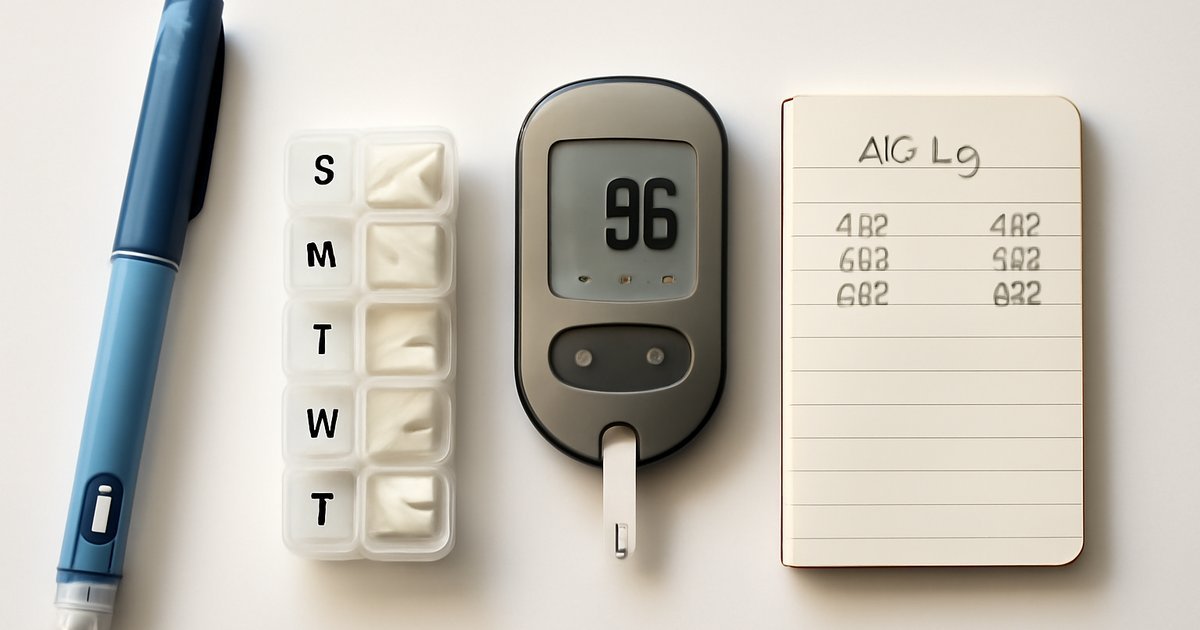
  • Health Insurance for Specialist Visits: What You Need to Know

    Health Insurance for Specialist Visits: What You Need to Know

    Health Insurance for Specialist Visits: What You Need to Know

    Understanding your specialist coverage before your appointment could save you hundreds — or prevent a denied claim entirely.

    Margaret, 54, had been managing persistent knee pain for months when her primary care doctor finally said the words she’d been waiting to hear: "I’m sending you to an orthopedic specialist." What Margaret didn’t expect was the $800 bill that arrived six weeks later — because she hadn’t checked whether that specialist was in-network before the visit. She didn’t know she needed a formal referral. And she had no idea her plan required prior authorization for the MRI the specialist ordered.

    Margaret’s story is far from unique. According to a 2024 report from the Kaiser Family Foundation, nearly 1 in 3 insured Americans receives a surprise medical bill each year — and specialist visits are among the leading causes. For adults aged 30 to 70, who are statistically the most frequent users of specialist care, understanding how health insurance for specialist visits actually works is not just financially smart — it’s essential to getting the care you need without a costly aftermath.

    In this guide, you’ll learn how referrals work, what in-network vs. out-of-network means for your wallet, how to navigate prior authorization, and exactly what questions to ask before you ever walk into a specialist’s office.


    What Is Specialist Coverage Under Health Insurance?

    Specialist coverage refers to the portion of your health insurance plan that applies when you see a physician who focuses on a specific area of medicine — such as a cardiologist (heart specialist), endocrinologist (hormone and metabolic conditions), rheumatologist (joint and autoimmune diseases), neurologist (brain and nervous system), or orthopedic surgeon (bones and joints), among many others.

    Unlike a visit to your primary care physician (PCP), seeing a specialist typically involves a different — and usually higher — cost-sharing structure. Most plans charge a separate, higher specialist copay or coinsurance rate compared to PCP visits.

    According to the National Conference of State Legislatures, the average in-network specialist copay in the United States ranges from $40 to $70 per visit under employer-sponsored plans — but out-of-pocket costs can skyrocket to hundreds or even thousands of dollars if the visit is out-of-network or not pre-authorized.

    Your specific costs depend on the type of plan you have:

    • HMO (Health Maintenance Organization): Usually requires a referral from your PCP before seeing any specialist. Lowest premiums, but least flexibility.
    • PPO (Preferred Provider Organization): Allows you to see specialists without a referral, but costs more if you go out-of-network.
    • EPO (Exclusive Provider Organization): No referral needed, but no coverage outside the network — period.
    • POS (Point of Service): Hybrid model that requires a referral for the lowest cost tier but allows some out-of-network access at higher cost.
    • HDHP (High-Deductible Health Plan): Lower premiums, but you typically pay full specialist costs until your deductible is met.

    Understanding which plan type you have is the essential first step to predicting your specialist costs accurately.


    Do You Need a Referral? How the Process Works

    The referral process is one of the most misunderstood aspects of health insurance in the United States. A referral is a formal recommendation from your primary care physician authorizing you to see a specialist. Depending on your plan, it may be advisory (PPO) or mandatory (HMO).

    A 2023 survey conducted by the American Academy of Family Physicians found that more than 40 percent of patients who experienced a denied specialist claim reported that they did not have a valid referral on file — either because they didn’t know they needed one or because they saw the specialist before the referral was processed.

    Here’s how the referral process typically unfolds:

    1. You see your PCP for an initial evaluation of your symptoms or condition.
    2. Your PCP determines that specialist care is appropriate and medically necessary.
    3. A referral is submitted — either electronically through your insurer’s portal or via paper form — by your PCP’s office.
    4. The referral is approved (sometimes nearly instant, sometimes requiring a few business days).
    5. You schedule your specialist appointment — confirming they are in-network and have received the referral.

    Important: Even if your plan (like a PPO) doesn’t require a referral, getting one documented can protect you if there’s ever a billing dispute about medical necessity.

    If you have an HMO and you skip the referral step entirely, your insurer can deny the claim in full — leaving you responsible for 100 percent of the specialist’s fees.


    In-Network vs. Out-of-Network Specialists: The Cost Reality

    Whether your specialist is "in-network" or "out-of-network" with your insurance plan may be the single most important factor in determining how much you pay. The difference can be dramatic.

    According to the Centers for Medicare & Medicaid Services (CMS), Americans who receive out-of-network specialist care face average out-of-pocket costs that are 3 to 5 times higher than in-network costs for the same service. Some plans offer zero out-of-network coverage at all — like EPOs — leaving patients with the full bill.

    Here’s what "in-network" actually means: your insurer has a contracted rate with that provider. The specialist agrees to accept a negotiated, lower fee. You pay your copay or coinsurance based on that reduced amount. When a specialist is out-of-network, there’s no negotiated rate. The provider can bill at their full rate, and your insurer may only cover a small percentage — or nothing.

    Practical steps to verify network status:

    • Call the number on the back of your insurance card and ask specifically: "Is [Provider Name] in-network under my specific plan?" (Note: "in-network for my insurer" is not the same as "in-network for my plan.")
    • Check your insurer’s online provider directory — but always verify by phone, as directories are sometimes outdated.
    • Ask the specialist’s billing office directly: "Do you accept [Insurance Plan Name] — not just the insurer, but this specific plan?"
    • Request written confirmation when possible.

    This variation is something that differs significantly from person to person depending on their plan and ZIP code, so never assume — always verify.


    Prior Authorization: When Your Insurer Must Approve Care First

    Beyond referrals, many specialist services — particularly procedures, imaging (MRI, CT scans), surgeries, and certain medications — require prior authorization (also called pre-authorization or pre-approval). This means your insurer must formally approve the service before it’s performed, confirming they consider it medically necessary.

    This is where many patients get caught off guard. A 2024 report from the American Medical Association found that prior authorization requirements have increased significantly in recent years, with physicians reporting that 94 percent of them experience delays in patient care due to the prior authorization process, and 33 percent have had a patient experience a serious adverse health event as a result of these delays.

    Common specialist services that frequently require prior authorization include:

    • MRI and CT imaging
    • Orthopedic procedures and surgeries
    • Cardiac stress tests and echocardiograms
    • Infusion therapies and biologics
    • Mental health intensive outpatient programs
    • Sleep studies
    • Certain specialist consultations (e.g., bariatric surgery consultations)

    What you should do: When your PCP or specialist recommends a procedure or test, ask immediately: "Does this require prior authorization from my insurance?" The specialist’s office usually handles this on your behalf — but it’s your responsibility to confirm it was submitted and approved before you proceed. If authorization is denied, you have the right to appeal.


    Understanding Your Cost-Sharing for Specialist Visits

    Even when everything goes right — in-network specialist, valid referral, prior authorization in place — you’ll still have cost-sharing obligations to understand. These include:

    • Deductible: The amount you must pay out-of-pocket before your insurance begins sharing costs. In 2025, the average annual deductible for single coverage in employer-sponsored plans was $1,787, according to the Kaiser Family Foundation. Specialist visits may or may not count toward your deductible depending on your plan.
    • Copay: A fixed dollar amount you pay per specialist visit (e.g., $50), regardless of what the total visit costs.
    • Coinsurance: A percentage of costs you pay after meeting your deductible (e.g., you pay 20%, insurer pays 80%).
    • Out-of-pocket maximum: The most you’ll pay in a plan year before your insurance covers 100% of covered services. In 2026, the ACA-mandated out-of-pocket maximum for individual plans is $9,450.

    Understanding these figures — which are listed in your plan’s Summary of Benefits and Coverage (SBC) document — helps you anticipate costs before your appointment. If you’re managing a chronic condition that requires frequent specialist visits, such as diabetes or heart disease, this math matters enormously across the course of a year. You may find it helpful to review our guide on health insurance for pre-existing conditions for additional context on how plan structures affect ongoing care costs.


    Medicare, Medicaid, and Marketplace Plans: Key Differences for Specialist Access

    Your insurance type significantly shapes your specialist experience.

    Medicare (Traditional/Original): Medicare Part B covers medically necessary specialist visits at 80% after your deductible, with no referral required. You pay the remaining 20% — with no cap — unless you have a Medigap supplemental policy. Medicare Advantage plans (Part C) vary: some require referrals, some don’t, and network restrictions apply.

    Medicaid: Specialist access varies widely by state. Some states require PCPs to manage all specialist referrals tightly. Others have more flexible managed care arrangements. According to the Kaiser Family Foundation, Medicaid beneficiaries report more difficulty accessing specialists than those with private insurance in many states, often due to lower reimbursement rates discouraging specialist participation.

    ACA Marketplace Plans: All metal tiers (Bronze, Silver, Gold, Platinum) must cover specialist visits, but cost-sharing varies considerably. Bronze plans carry the lowest premiums but highest out-of-pocket costs. Platinum plans have higher premiums but minimal cost-sharing per visit. For adults who regularly see specialists, a Gold or Platinum plan may offer better overall value.

    Employer-Sponsored Plans: Coverage varies by employer and insurer. Open enrollment is the time to review your plan’s specialist copays, network breadth, and prior authorization requirements — especially if your health needs have changed.


    Living With a Condition That Requires Ongoing Specialist Care

    For adults managing chronic conditions — whether that’s Type 2 diabetes requiring regular endocrinology visits, cardiovascular disease requiring cardiology follow-ups, or autoimmune conditions requiring rheumatology monitoring — navigating specialist insurance coverage isn’t a one-time event. It’s a recurring responsibility.

    Clinical evidence indicates that continuity of specialist care significantly improves health outcomes for patients with complex chronic diseases. A 2022 meta-analysis published in the Journal of General Internal Medicine found that consistent specialist follow-up was associated with reduced hospitalizations and better disease control in patients with diabetes, heart failure, and COPD.

    Practical strategies for managing ongoing specialist care costs:

    • Schedule annual insurance review: At each open enrollment period, compare your current plan’s specialist network against your existing specialists. A plan change could disrupt an established care relationship.
    • Batch your specialist visits strategically: If you’ve met your deductible mid-year, scheduling additional necessary visits before year-end maximizes your coverage.
    • Use your patient advocate: Many hospital systems and large specialty practices have patient financial advocates who can help navigate insurance issues at no cost to you.
    • Request a care coordinator: Many insurance plans offer nurse case managers for members with chronic conditions — they can help coordinate referrals and authorizations on your behalf.
    • Keep records: Document every referral number, authorization number, and claim — in writing or via your insurer’s member portal.

    For those managing conditions like diabetes alongside complex medication regimens, understanding how your specialist visits interact with prescription coverage is equally important. Our guide on health insurance and cancer screenings also illustrates how preventive specialist referrals (such as dermatology or gastroenterology) are handled differently from treatment-based specialist visits.


    When to Call Your Insurance Company or Seek Urgent Help

    Certain situations warrant immediate action to protect your health and your coverage:

    Contact your insurer immediately if:

    • A specialist visit claim is denied — you have the right to a formal appeal, and deadlines are strict (often 30-60 days from denial notice)
    • You receive a bill for a service you believed was covered — this may be a billing error or a balance billing issue
    • Your specialist leaves your network mid-treatment — you may have continuity of care protections under state and federal law
    • Prior authorization is denied for a service your physician considers medically urgent — request an expedited appeal or peer-to-peer review between your doctor and the insurer’s medical reviewer

    Seek emergency care (and insurance follows) when:

    • You experience chest pain, difficulty breathing, sudden vision loss, or signs of stroke — under federal law (EMTALA), emergency care must be provided regardless of insurance status, and ACA plans must cover emergency services without prior authorization
    • A specialist’s findings indicate an urgent surgical or interventional need — your PCP and specialist can help fast-track authorization in genuine emergencies

    If you feel your insurer has wrongfully denied medically necessary specialist care, you can file a complaint with your state insurance commissioner or, for employer-sponsored plans, with the U.S. Department of Labor. The ACA also established an external review process — an independent third party reviews the denial at no cost to you.


    Frequently Asked Questions

    Do I need a referral to see a specialist if I have a PPO plan?
    Typically, no. PPO plans are designed to allow you to see specialists without a referral from your primary care physician. However, visiting an out-of-network specialist will cost significantly more than an in-network one. Some PPO plans still require prior authorization for specific procedures, so always confirm before booking.

    What happens if my specialist is out-of-network but I didn’t know?
    You may receive a bill for the out-of-network cost difference — which can be substantial. First, check whether the No Surprises Act protects you: as of 2022, the federal No Surprises Act prohibits unexpected out-of-network bills for emergency care and certain non-emergency situations at in-network facilities. Contact your insurer to dispute the bill, and request an itemized statement from the provider.

    How long does prior authorization take for specialist services?
    Most non-urgent prior authorizations are processed within 3 to 5 business days. Urgent or expedited requests — when delay could harm your health — must be processed within 72 hours under federal Medicaid rules, and most commercial insurers follow similar timelines voluntarily. Always ask your specialist’s office to flag urgent cases appropriately.

    Can my insurance deny a referral my doctor thinks is necessary?
    Yes — this is called a utilization management denial. However, you have the right to appeal. Your physician can also request a "peer-to-peer" review, where they speak directly with the insurer’s medical reviewer to argue the clinical necessity. Studies suggest that peer-to-peer reviews overturn initial denials in a significant percentage of cases, according to data reviewed by the American Medical Association.

    Does my specialist copay apply to every visit, including follow-ups?
    Generally, yes — each visit to a specialist incurs your standard specialist copay or coinsurance, including follow-up appointments. However, some plans differentiate between an initial consultation and a follow-up visit. Review your Summary of Benefits and Coverage document for your specific plan’s rules, or call your insurer’s member services line to confirm.


    Conclusion

    Navigating health insurance for specialist visits requires the same proactive attention you’d give to managing your actual health condition. The steps are learnable, the rules are knowable, and the financial stakes are too high to leave to chance.

    Know your plan type. Confirm network status before every appointment. Verify referral requirements. Track prior authorizations. And when something doesn’t go right — appeal. The system has built-in protections you are entitled to use.

    Most importantly, don’t let confusion about coverage delay care you need. The right approach is to get the appointment, ask the financial questions in parallel, and work with your care team and your insurer together. Your health comes first — and with the right knowledge, your coverage can support that goal rather than obstruct it.

    If you’re navigating specialist care for a chronic condition, speaking with your primary care physician about a coordinated care plan is always the recommended first step.


    Medical Disclaimer: This article is for informational and educational purposes only. It does not constitute medical advice, diagnosis, or treatment. Always consult your physician or a qualified healthcare provider before making changes to your health routine or treatment plan.

    Medically reviewed by our editorial health team. Content follows evidence-based standards aligned with CDC and NIH guidelines.

  • Diabetes Medications: A Complete Guide to Your Options

    Diabetes Medications: A Complete Guide to Your Options

    Understanding your diabetes medication can be the difference between well-managed blood sugar and costly complications — here is what every patient should know.

    When Marcus, 54, was first diagnosed with type 2 diabetes, his doctor handed him a prescription and a pamphlet. Three months later, his A1C had barely budged. What changed everything was not a new drug — it was finally understanding how his medication worked, why timing mattered, and what lifestyle habits could make it far more effective.

    According to the CDC, more than 38 million Americans are currently living with diabetes, and the vast majority — roughly 90 to 95 percent — have type 2. Of those, millions rely on one or more medications to keep their blood sugar in a safe range. Yet surveys consistently show that many patients feel confused, overwhelmed, or uncertain about their treatment plan.

    This guide breaks down the most common diabetes medications available in the US today — what they do, how they work, who they are best suited for, and what to watch out for. Whether you were recently diagnosed or have been managing diabetes for years, understanding your options gives you the power to have better, more informed conversations with your doctor.

    What Is Diabetes and Why Do Medications Matter?

    Diabetes is a chronic metabolic condition characterized by elevated blood glucose (blood sugar) levels. It occurs when the body either does not produce enough insulin — the hormone that moves sugar from the bloodstream into cells — or does not use insulin effectively, a state called insulin resistance.

    Without proper management, chronically high blood sugar damages blood vessels and nerves throughout the body, increasing the risk of heart disease, kidney failure, vision loss, and limb amputations. The American Diabetes Association (ADA) notes that adults with diabetes are two to three times more likely to die from heart disease than those without the condition.

    Medications help regulate blood sugar in multiple ways — stimulating insulin production, improving insulin sensitivity, slowing glucose absorption, or replacing the insulin your body cannot make. No single medication works the same way for every person, which is why treatment plans are highly individualized.

    The goal is not just to lower blood sugar numbers on a lab report. It is to reduce the long-term risk of serious complications while maintaining quality of life.

    Types of Diabetes Medications: A Full Breakdown

    Clinical evidence supports several distinct classes of diabetes medications. Most are used for type 2 diabetes, while insulin is essential for type 1 and often used in later stages of type 2 as well. Here is an overview of each major class.

    1. Metformin (Biguanides)

    Metformin remains the first-line medication recommended by the ADA and most US clinical guidelines for type 2 diabetes. It works primarily by reducing the amount of glucose the liver releases into the bloodstream and improving the body’s sensitivity to insulin.

    Research published in the journal Diabetes Care and supported by the landmark UK Prospective Diabetes Study has consistently shown that metformin reduces A1C (a three-month average of blood sugar levels) by approximately 1 to 1.5 percentage points. It also carries a low risk of causing hypoglycemia (dangerously low blood sugar) on its own and is generally well tolerated.

    Common side effects include nausea, diarrhea, and stomach upset — especially when first starting the medication. These often improve over time. Metformin is usually taken with food to minimize GI discomfort. This varies from person to person, so discuss any persistent side effects with your physician.

    2. Sulfonylureas

    This older class of medications — which includes drugs like glipizide, glimepiride, and glyburide — works by stimulating the pancreas to produce more insulin. They are effective at lowering blood sugar and are generally affordable, which makes them accessible for many patients.

    The main risk with sulfonylureas is hypoglycemia, because they prompt insulin release regardless of whether blood sugar is actually high. Weight gain is also a known side effect. Despite these drawbacks, clinical evidence supports their use in patients who need additional blood sugar control at a lower cost.

    3. SGLT-2 Inhibitors

    Sodium-glucose cotransporter-2 (SGLT-2) inhibitors — including empagliflozin, dapagliflozin, and canagliflozin — work by causing the kidneys to remove excess glucose through urine rather than reabsorbing it into the bloodstream. This lowers blood sugar without stimulating insulin.

    Beyond blood sugar control, multiple large clinical trials have shown significant cardiovascular and kidney-protective benefits from this drug class. The EMPA-REG OUTCOME trial, for instance, found that empagliflozin reduced the risk of cardiovascular death by 38 percent in patients with type 2 diabetes and established heart disease. The FDA has approved several SGLT-2 inhibitors not only for blood sugar management but also for reducing heart failure hospitalizations and slowing kidney disease progression.

    Potential side effects include urinary tract infections, genital yeast infections, and in rare cases, a serious condition called diabetic ketoacidosis. Your doctor will assess your individual risk profile before prescribing this class.

    4. GLP-1 Receptor Agonists

    Glucagon-like peptide-1 (GLP-1) receptor agonists mimic a naturally occurring hormone that stimulates insulin release in response to meals, slows stomach emptying, and signals fullness to the brain. Examples include semaglutide, liraglutide, and dulaglutide, available in injectable and oral forms.

    This class has gained significant attention in recent years — not only for its A1C-lowering effectiveness but also for meaningful weight loss outcomes, which benefit many people with type 2 diabetes. Clinical trials such as the LEADER and SUSTAIN studies have also demonstrated reductions in major cardiovascular events in high-risk patients.

    Side effects can include nausea, vomiting, and decreased appetite — which often diminish over time. GLP-1 agonists are not recommended for individuals with a personal or family history of certain thyroid cancers. Your physician will review your complete medical history before recommending this medication.

    5. DPP-4 Inhibitors

    Dipeptidyl peptidase-4 (DPP-4) inhibitors — such as sitagliptin, saxagliptin, and alogliptin — work by blocking the enzyme that breaks down GLP-1, effectively increasing levels of this blood-sugar-regulating hormone. They are taken as once-daily oral pills and are generally well tolerated.

    They are considered weight-neutral (they do not cause significant weight gain or loss) and carry a low risk of hypoglycemia. Research suggests they lower A1C by roughly 0.5 to 0.8 percentage points. They are often used as add-on therapy when metformin alone is not sufficient.

    6. Thiazolidinediones (TZDs)

    Thiazolidinediones, including pioglitazone, improve insulin sensitivity in muscle, fat, and liver cells. They can be effective at lowering blood sugar but are used less frequently today because of concerns about side effects including weight gain, fluid retention, and a modest increase in bone fracture risk in some populations.

    Clinical evidence indicates they may offer some cardiovascular benefit, particularly pioglitazone, based on the PROactive trial results. However, they are generally not the first or second choice for most patients given the side effect profile.

    7. Insulin Therapy

    Insulin is the cornerstone of treatment for type 1 diabetes and is also used in type 2 diabetes when blood sugar cannot be adequately controlled with oral medications or other injectables. There are several types: rapid-acting, short-acting, intermediate-acting, and long-acting — each with different onset and duration profiles.

    According to the NIH, approximately 8 million Americans use insulin to manage their diabetes. Modern delivery systems — including insulin pens, pumps, and smart pens — have made insulin therapy more convenient and precise than ever before.

    Insulin requires careful monitoring and dose adjustments, and carries a risk of hypoglycemia. Proper training from your healthcare team is essential for safe and effective use.

    Signs That Your Current Medication May Need Adjustment

    Diabetes management is not a set-it-and-forget-it process. Your medication needs can change over time as your body changes, your lifestyle shifts, or your condition progresses. Watch for these signs that your current regimen may need a review:

    • Early signs of suboptimal control: Frequent fatigue, increased thirst, urinating more often than usual, or blurred vision
    • A1C trending upward: A rise in your A1C over two or more consecutive lab readings
    • Frequent hypoglycemic episodes: Blood sugar dropping too low, causing shakiness, sweating, or confusion
    • Side effects interfering with daily life: Persistent GI distress, unexplained weight gain, or recurrent infections
    • New health conditions: A new diagnosis of kidney disease, heart failure, or liver problems may change which medications are safe for you

    A study published in the journal JAMA Internal Medicine found that many patients with type 2 diabetes experience what is called "clinical inertia" — meaning treatment is not escalated when blood sugar control deteriorates. If your A1C has been above your target for more than three to six months without a medication change, it may be time to revisit your plan with your doctor.

    Combining Medications: What to Expect

    Many people with type 2 diabetes require more than one medication over time. This is not a sign of failure — it reflects the progressive nature of the condition. The pancreas gradually produces less insulin as the disease advances, meaning the treatment plan often needs to evolve.

    Common combinations include metformin paired with a GLP-1 agonist, an SGLT-2 inhibitor, or a DPP-4 inhibitor. Some patients eventually add insulin to their existing oral or injectable regimen. Fixed-dose combination pills are also available, making it easier to take multiple medications in a single tablet.

    Research suggests that combination therapy targeting multiple mechanisms simultaneously often achieves better blood sugar control than escalating a single drug to higher doses. Your doctor will weigh effectiveness, side effect profiles, cost, and your personal health history when designing your combination plan.

    If cost is a concern — and for many Americans it is — discuss generic alternatives and patient assistance programs with your physician or pharmacist. The ADA and many pharmaceutical manufacturers offer resources to help reduce out-of-pocket expenses. You may also want to check your coverage options, and if you are managing multiple conditions, our guide on Health Insurance for Pre-Existing Conditions can help you understand your rights and coverage.

    Lifestyle Factors That Enhance Medication Effectiveness

    Medications work best as part of a comprehensive diabetes management strategy. Clinical evidence consistently shows that lifestyle modifications amplify the effectiveness of pharmacological treatment.

    Key evidence-based strategies include:

    • Carbohydrate-aware eating: Understanding how different foods affect blood sugar can help you time meals and snacks to complement your medication’s action. If you haven’t already, our Carbohydrate Counting for Type 2 Diabetes guide covers this in depth.
    • Regular physical activity: Exercise increases insulin sensitivity, allowing your medications to work more efficiently. Even a 20- to 30-minute walk after meals has been shown to blunt post-meal blood sugar spikes.
    • Sleep quality: Research published by the NIH and highlighted by organizations like the American Diabetes Association shows a strong link between poor sleep and blood sugar dysregulation. If you’re curious about this connection, our article on Type 2 Diabetes and Sleep explains the mechanisms in detail.
    • Stress management: Chronic stress elevates cortisol, a hormone that raises blood sugar. Mindfulness practices, therapy, and social support can make a measurable difference in glucose control.
    • Consistent medication timing: Taking medications at the same time each day — particularly those tied to meals — helps maintain stable blood levels and predictable effects.

    When to Call Your Doctor — and Emergency Red Flags

    Most medication side effects and blood sugar fluctuations can be managed with a scheduled visit. However, some situations require immediate medical attention.

    Call your doctor promptly if you experience:

    • A single blood sugar reading above 300 mg/dL without an obvious cause
    • Persistent nausea, vomiting, or stomach pain after starting a new medication
    • Swelling in your legs, ankles, or feet (possible fluid retention from TZDs or other causes)
    • Signs of a urinary tract infection — burning, frequency, or discomfort — that does not resolve quickly
    • Unexpected weight loss or persistent fatigue despite blood sugar appearing controlled

    Go to the emergency room or call 911 immediately if you experience:

    • Symptoms of severe hypoglycemia: loss of consciousness, seizure, extreme confusion, or inability to swallow
    • Symptoms of diabetic ketoacidosis (DKA): fruity-smelling breath, rapid breathing, extreme thirst, vomiting, and confusion — this is a medical emergency, more common in type 1 but can occur in type 2 under certain circumstances including SGLT-2 inhibitor use
    • Symptoms of hyperosmolar hyperglycemic state (HHS): extremely high blood sugar (often above 600 mg/dL), severe dehydration, altered mental status — requires emergency hospital care
    • Chest pain, shortness of breath, or signs of stroke alongside blood sugar changes

    Never stop taking a prescribed diabetes medication without speaking with your doctor first, even if you are experiencing side effects. Abruptly discontinuing insulin or certain other medications can cause dangerous rebound spikes in blood sugar.

    Frequently Asked Questions About Diabetes Medications

    Can I ever stop taking diabetes medication if my blood sugar improves?
    Research suggests that significant lifestyle changes — particularly substantial weight loss — can sometimes allow for medication reduction or, in some cases, temporary remission of type 2 diabetes. However, this decision must be made exclusively by your physician based on ongoing monitoring. Never discontinue medication without medical supervision.

    Is insulin a sign that my diabetes has gotten much worse?
    Not necessarily. Because type 2 diabetes is progressive, many people eventually need insulin as the pancreas produces less of it over time. Requiring insulin is a reflection of the disease’s natural course, not a personal failure. Many people on insulin live full, active lives with excellent blood sugar control.

    Are newer diabetes medications worth the higher cost?
    For many patients — especially those with cardiovascular disease, heart failure, or chronic kidney disease — newer medications like SGLT-2 inhibitors and GLP-1 agonists offer clinically meaningful benefits beyond blood sugar control. Clinical guidelines from the ADA now recommend these agents as preferred options for patients with those coexisting conditions, regardless of blood sugar levels. Discuss your individual risk profile and insurance coverage with your doctor.

    Can diabetes medications interact with other drugs I take?
    Yes. Certain common medications — including some antibiotics, antifungals, blood pressure drugs, and pain relievers — can affect how diabetes medications work or increase the risk of hypoglycemia. Always give your doctor and pharmacist a complete list of all medications, supplements, and over-the-counter products you take.

    What does my A1C target mean, and how often should it be checked?
    A1C measures your average blood sugar over approximately three months. The ADA recommends an A1C target of less than 7 percent for most non-pregnant adults with diabetes, though individual targets vary based on age, other health conditions, and risk of hypoglycemia. Most patients have their A1C checked every three months if the plan is being adjusted, or every six months if stable.

    Conclusion

    Managing diabetes with medication is not a one-size-fits-all journey. The landscape of treatment options has never been more robust — from well-established medications like metformin to newer agents with documented cardiovascular and kidney benefits. What matters most is that your treatment plan is tailored to your specific health profile, preferences, and goals.

    Understanding how your medications work, what side effects to watch for, and how lifestyle choices influence their effectiveness puts you in a much stronger position as a patient. The most successful diabetes management happens when you and your healthcare team are working from the same page.

    Use this guide as a starting point — then bring your questions to your next appointment. Your doctor is your most important partner in this process, and informed patients consistently achieve better outcomes.

    This article is for informational and educational purposes only. It does not constitute medical advice, diagnosis, or treatment. Always consult your physician or a qualified healthcare provider before making changes to your health routine or treatment plan.

    Medically reviewed by our editorial health team. Content follows evidence-based standards aligned with CDC and NIH guidelines.

  • Weight Loss Plateau: Why It Happens and How to Break It

    Weight Loss Plateau: Why It Happens and How to Break It

    When the scale stops moving despite your best efforts, your body may be working against you — here’s the science behind weight loss plateaus and how to push through them.

    Introduction

    Mark, 52, had lost 27 pounds over five months through consistent calorie tracking and daily walks. Then, almost overnight, the scale froze. He wasn’t cheating on his diet. He wasn’t skipping workouts. Yet week after week, the number refused to budge. His experience is far more common than most people realize.

    According to the NIH, nearly all people who attempt sustained weight loss will hit a plateau — a period where weight loss stalls despite continued effort. This moment is one of the leading reasons people abandon their weight loss journey entirely, mistakenly believing their plan has stopped working.

    In this guide, you’ll learn exactly what causes a weight loss plateau, why your body actively resists further fat loss, and which evidence-based strategies can help you break through safely and effectively — without crash dieting or extreme measures.

    What Is a Weight Loss Plateau?

    A weight loss plateau is a period lasting two weeks or longer during which your body weight remains stable despite no intentional change in your diet or exercise habits. It is not a sign of failure — it is a normal, predictable physiological response to sustained calorie restriction.

    The CDC and NIH both recognize weight plateaus as a standard phase of the weight loss process. Research published in the American Journal of Clinical Nutrition suggests that most people experience their first significant plateau within three to six months of starting a calorie-restricted diet.

    Understanding the plateau as a biological event — not a willpower problem — is the first step toward addressing it effectively. Your body is not broken. It is, in fact, doing exactly what it evolved to do: protect you from what it perceives as starvation.

    Signs You’ve Hit a True Plateau

    Not every stall is a true plateau. It’s important to distinguish between temporary fluctuations and a genuine physiological stall.

    Signs of a true weight loss plateau:

    • No meaningful change in scale weight for 2 or more consecutive weeks
    • Body measurements (waist, hips, thighs) have also stopped changing
    • Your energy intake and output have remained consistent
    • You are not retaining water due to hormonal cycles, high sodium intake, or new exercise
    • Your clothes fit the same way they did two to three weeks ago

    Signs it may not be a true plateau:

    • You recently started a new strength training program (muscle gain can offset fat loss on the scale)
    • You’re premenstrual or ovulating (hormonal water retention is common)
    • You consumed a high-sodium meal recently
    • You’ve been under unusual stress or slept poorly for several days

    A 2021 review in Obesity Reviews noted that many people misidentify normal weight fluctuation — which can range from 1 to 5 pounds per day due to water and food volume — as a plateau. Give yourself at least 14 days before concluding you’ve truly stalled.

    Why Your Body Hits a Weight Loss Plateau

    This is where the science gets genuinely fascinating — and frustrating. Your body has multiple overlapping systems designed to prevent weight loss once it detects a sustained energy deficit.

    1. Adaptive Thermogenesis

    When you lose weight, your body doesn’t just burn fewer calories because you weigh less — it actively reduces your metabolic rate beyond what weight loss alone would predict. This phenomenon, known as adaptive thermogenesis, means your body “turns down the furnace” in response to calorie restriction.

    A landmark NIH study tracking contestants from the TV show The Biggest Loser found that participants experienced metabolic adaptation of up to 700 calories per day — meaning their metabolism burned significantly fewer calories than expected for their new body size, even years after their weight loss.

    2. Hormonal Changes That Increase Hunger

    Weight loss triggers a cascade of hormonal changes that make you feel hungrier and less satisfied. Leptin — the hormone that signals fullness to your brain — drops dramatically with fat loss. Ghrelin — the hormone that triggers hunger — rises. These changes can persist for years, according to research from the New England Journal of Medicine.

    Clinical evidence also indicates that thyroid hormone levels, which regulate metabolism, may decrease modestly during prolonged calorie restriction, further slowing the rate of fat burning.

    3. Reduced Calorie Burn from Movement

    A lighter body burns fewer calories doing the same activities. When you lose 20 or 30 pounds, your daily calorie expenditure decreases — both at rest and during exercise. If you haven’t adjusted your calorie intake to account for this, you may now be eating at maintenance rather than a deficit.

    This is one of the most overlooked causes of a plateau and one of the most straightforward to address.

    4. Gradual Calorie Creep

    Research from the CDC suggests that most people significantly underestimate their calorie intake — often by 20 to 40 percent. Over months of dieting, portion sizes can quietly expand, snacking can increase, and calorie-dense foods can creep back in without conscious awareness. This is not a character flaw — it is a documented behavioral pattern.

    Causes and Risk Factors for a Prolonged Plateau

    Some individuals are more likely to experience longer or more stubborn plateaus. Understanding your personal risk factors can help you take a more targeted approach.

    • Age: Metabolic rate naturally declines by approximately 1 to 2 percent per decade after age 30. Adults over 50 may experience more pronounced plateaus.
    • History of yo-yo dieting: Repeated cycles of weight loss and regain may impair metabolic flexibility over time, according to research from the Mayo Clinic.
    • Hormonal conditions: Hypothyroidism, polycystic ovary syndrome (PCOS), and insulin resistance can all slow fat loss and contribute to plateau-like patterns. If you suspect a hormonal issue, discuss it with your physician.
    • Chronic stress: Elevated cortisol — the primary stress hormone — promotes fat storage, particularly in the abdominal area, and can impair weight loss progress.
    • Poor sleep: The CDC reports that more than one-third of US adults sleep fewer than seven hours per night. Short sleep duration is independently associated with weight gain and resistance to fat loss.
    • Muscle loss during dieting: Losing lean muscle mass reduces your resting metabolic rate, making further fat loss progressively harder. This is especially common in people who diet without resistance training.

    If you’re dealing with chronic stress or sleep issues that may be affecting your progress, it’s also worth exploring how these factors interact — our article on how poor rest affects metabolic health offers evidence-based insight into the sleep-weight connection.

    Strategies to Break Through a Weight Loss Plateau

    Breaking a plateau requires a strategic recalibration — not punishment. Here are the approaches with the strongest clinical support.

    Recalculate Your Calorie Needs

    Because your body now weighs less, your daily calorie needs have changed. Use a validated tool such as the Mifflin-St Jeor equation (available through the NIH and many clinical calculators) to recalculate your Total Daily Energy Expenditure (TDEE) at your current weight. Then aim for a deficit of 300 to 500 calories below that new number — not below what you were eating before.

    Increase Protein Intake

    A meta-analysis published in the American Journal of Clinical Nutrition found that higher-protein diets preserve lean muscle mass during calorie restriction and increase satiety — both critical factors during a plateau. Most evidence supports 1.2 to 1.6 grams of protein per kilogram of body weight for adults actively trying to lose fat. Discuss specific targets with your healthcare provider or registered dietitian.

    Add or Modify Resistance Training

    If you’ve been relying primarily on cardio for weight loss, adding resistance training (weight lifting, resistance bands, bodyweight exercises) can help rebuild or preserve metabolic muscle. The American College of Sports Medicine recommends resistance training at least two days per week for healthy adults.

    More muscle means a higher resting metabolic rate — which makes breaking a plateau and keeping weight off long-term significantly more achievable.

    Vary Your Exercise Intensity

    Research suggests that high-intensity interval training (HIIT) — short bursts of intense effort alternated with recovery periods — can boost calorie burn and metabolic rate more effectively than steady-state cardio alone. A 2022 review in the British Journal of Sports Medicine found that HIIT produced greater improvements in body composition than moderate-intensity continuous training in adults with overweight or obesity.

    Try a Structured Diet Break

    Counterintuitively, some clinical evidence suggests that brief planned breaks from caloric restriction — known as “diet breaks” — can partially reverse adaptive thermogenesis and help re-establish hormonal balance. A 2017 trial published in the International Journal of Obesity found that participants who alternated two weeks of restriction with two weeks of maintenance lost more weight over six months than those who dieted continuously.

    This is not an excuse to abandon your plan — it is a deliberate, time-limited strategy best implemented under the guidance of a registered dietitian.

    Audit Your Food Tracking

    If you use a food diary or app, spend one week weighing and measuring every portion with a kitchen scale rather than estimating. Research consistently shows that volume estimation leads to significant underreporting. This single step often reveals “hidden” calories that explain a stalled scale. For more on developing a healthier relationship with food and eating behavior during this process, see our guide on mindful eating for weight loss.

    Prioritize Sleep and Stress Management

    Clinical evidence from Johns Hopkins indicates that poor sleep reduces fat oxidation (the process of burning stored fat) and increases hunger hormone levels. Targeting seven to nine hours of sleep per night and implementing evidence-based stress reduction techniques — such as mindfulness, deep breathing, or walking — can meaningfully support your plateau-breaking efforts.

    Living With the Plateau: Managing Expectations and Staying Motivated

    One of the most important things to understand is that weight loss is rarely linear. The body does not lose weight in a smooth, steady downward slope — it loses in fits and starts, with periods of progress followed by consolidation.

    Tracking non-scale victories — improved energy, better sleep, lower blood pressure readings, clothes fitting differently — can help you stay grounded in your progress during a plateau. These markers often reflect real physiological improvements even when the scale is stagnant.

    Consider working with a registered dietitian or behavioral health professional if a plateau persists beyond four to six weeks despite deliberate adjustments. Personalized guidance is significantly more effective than generic advice, particularly for adults managing underlying health conditions.

    If hormonal factors may be contributing to your plateau — something many adults over 40 suspect — our evidence-based guide on strategies for losing stubborn fat covers the hormonal dimension of fat loss in depth.

    When to Call Your Doctor About a Weight Loss Plateau

    Most plateaus are a normal part of the weight loss process — but some situations warrant a conversation with your physician sooner rather than later.

    Contact your doctor if you experience:

    • Unexplained fatigue, cold intolerance, hair loss, or dry skin alongside your plateau (possible thyroid dysfunction)
    • Significant irregular periods, facial hair growth, or acne in women (possible PCOS)
    • Sudden weight gain of 5 or more pounds in a week with no dietary explanation
    • Persistent mood changes, low motivation, or depressive symptoms interfering with your weight management efforts
    • A plateau that persists despite 8 or more weeks of deliberate, well-documented dietary and exercise adjustments

    Emergency signs unrelated to plateau — seek immediate care for:

    • Rapid, unintentional weight loss of more than 10 pounds in less than a month
    • Severe fatigue, chest pain, or shortness of breath during exercise
    • Signs of disordered eating, including extreme restriction, purging behaviors, or obsessive food thoughts that interfere with daily life

    What to tell your doctor: Bring a two-week food and exercise log. Note your starting weight, current weight, and timeline. Mention any medications you’re taking, as some (including antidepressants, certain blood pressure medications, and corticosteroids) are associated with weight gain or impaired fat loss.

    Frequently Asked Questions

    How long does a weight loss plateau typically last?
    This varies considerably from person to person. Most plateaus last between two weeks and three months. Research suggests that implementing two or three targeted adjustments — such as recalculating calories, increasing protein, and adding resistance training — can often break a plateau within four to six weeks.

    Does eating too few calories cause a plateau?
    Yes. Severely restricting calories below approximately 1,200 per day for women and 1,500 for men can accelerate adaptive thermogenesis, cause muscle loss, and paradoxically make fat loss harder. Most clinical guidelines recommend a moderate deficit of 300 to 500 calories per day for sustainable, healthy weight loss.

    Is it normal to plateau right away?
    Early plateaus — within the first four to six weeks — are less common but do occur. They are often related to hormonal water retention, insufficient calorie deficit, or underlying metabolic factors. If you plateau very early in your journey, a conversation with your physician or a registered dietitian is warranted.

    Can stress alone cause a weight loss plateau?
    Clinical evidence indicates that chronic stress elevates cortisol, which promotes fat storage and increases appetite — particularly for high-calorie foods. While stress alone may not cause a full plateau, it is a meaningful contributing factor that is frequently underestimated, particularly in adults managing demanding work or caregiving responsibilities.

    Should I try weight loss medications if I’ve plateaued?
    FDA-approved weight loss medications — including GLP-1 receptor agonists — may be appropriate for some individuals who have plateaued and meet clinical criteria for pharmacological treatment (typically a BMI of 30 or higher, or 27 with a weight-related comorbidity). This decision should be made in collaboration with your physician based on your complete health history.

    Conclusion

    A weight loss plateau is not a dead end — it is a signal that your body has adapted and your strategy needs to evolve. The biology behind plateaus is real and well-documented, which means it can be addressed with the right, evidence-based approach.

    Recalibrating your calorie targets, prioritizing protein, adding resistance training, improving sleep, and managing stress are all proven tools for resuming progress. Most importantly, give yourself grace during this process. Sustainable weight loss is a long game — and breaking through a plateau is a skill, not a sign of failure.

    Work with your healthcare team, stay consistent, and trust that thoughtful, measured adjustments will move the needle again. You’ve come this far — and the biology is on your side when you know how to work with it.


    Medical Disclaimer: This article is for informational and educational purposes only. It does not constitute medical advice, diagnosis, or treatment. Always consult your physician or a qualified healthcare provider before making changes to your health routine or treatment plan.

    Medically reviewed by our editorial health team. Content follows evidence-based standards aligned with CDC and NIH guidelines.