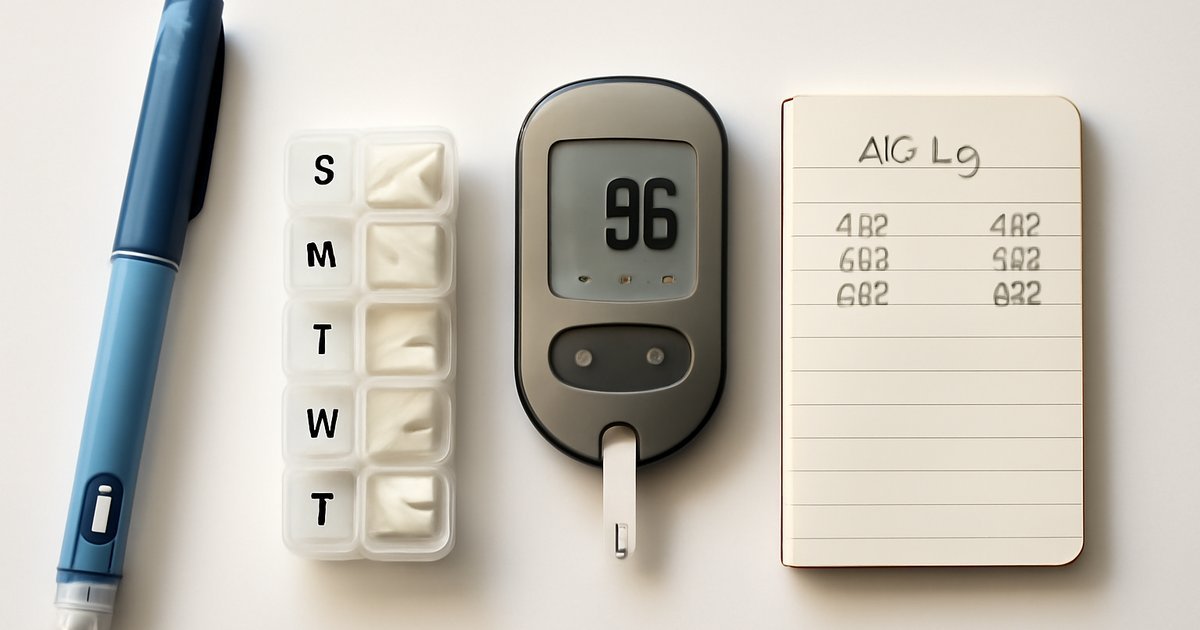
Understanding your diabetes medication can be the difference between well-managed blood sugar and costly complications — here is what every patient should know.
When Marcus, 54, was first diagnosed with type 2 diabetes, his doctor handed him a prescription and a pamphlet. Three months later, his A1C had barely budged. What changed everything was not a new drug — it was finally understanding how his medication worked, why timing mattered, and what lifestyle habits could make it far more effective.
According to the CDC, more than 38 million Americans are currently living with diabetes, and the vast majority — roughly 90 to 95 percent — have type 2. Of those, millions rely on one or more medications to keep their blood sugar in a safe range. Yet surveys consistently show that many patients feel confused, overwhelmed, or uncertain about their treatment plan.
This guide breaks down the most common diabetes medications available in the US today — what they do, how they work, who they are best suited for, and what to watch out for. Whether you were recently diagnosed or have been managing diabetes for years, understanding your options gives you the power to have better, more informed conversations with your doctor.
What Is Diabetes and Why Do Medications Matter?
Diabetes is a chronic metabolic condition characterized by elevated blood glucose (blood sugar) levels. It occurs when the body either does not produce enough insulin — the hormone that moves sugar from the bloodstream into cells — or does not use insulin effectively, a state called insulin resistance.
Without proper management, chronically high blood sugar damages blood vessels and nerves throughout the body, increasing the risk of heart disease, kidney failure, vision loss, and limb amputations. The American Diabetes Association (ADA) notes that adults with diabetes are two to three times more likely to die from heart disease than those without the condition.
Medications help regulate blood sugar in multiple ways — stimulating insulin production, improving insulin sensitivity, slowing glucose absorption, or replacing the insulin your body cannot make. No single medication works the same way for every person, which is why treatment plans are highly individualized.
The goal is not just to lower blood sugar numbers on a lab report. It is to reduce the long-term risk of serious complications while maintaining quality of life.
Types of Diabetes Medications: A Full Breakdown
Clinical evidence supports several distinct classes of diabetes medications. Most are used for type 2 diabetes, while insulin is essential for type 1 and often used in later stages of type 2 as well. Here is an overview of each major class.
1. Metformin (Biguanides)
Metformin remains the first-line medication recommended by the ADA and most US clinical guidelines for type 2 diabetes. It works primarily by reducing the amount of glucose the liver releases into the bloodstream and improving the body’s sensitivity to insulin.
Research published in the journal Diabetes Care and supported by the landmark UK Prospective Diabetes Study has consistently shown that metformin reduces A1C (a three-month average of blood sugar levels) by approximately 1 to 1.5 percentage points. It also carries a low risk of causing hypoglycemia (dangerously low blood sugar) on its own and is generally well tolerated.
Common side effects include nausea, diarrhea, and stomach upset — especially when first starting the medication. These often improve over time. Metformin is usually taken with food to minimize GI discomfort. This varies from person to person, so discuss any persistent side effects with your physician.
2. Sulfonylureas
This older class of medications — which includes drugs like glipizide, glimepiride, and glyburide — works by stimulating the pancreas to produce more insulin. They are effective at lowering blood sugar and are generally affordable, which makes them accessible for many patients.
The main risk with sulfonylureas is hypoglycemia, because they prompt insulin release regardless of whether blood sugar is actually high. Weight gain is also a known side effect. Despite these drawbacks, clinical evidence supports their use in patients who need additional blood sugar control at a lower cost.
3. SGLT-2 Inhibitors
Sodium-glucose cotransporter-2 (SGLT-2) inhibitors — including empagliflozin, dapagliflozin, and canagliflozin — work by causing the kidneys to remove excess glucose through urine rather than reabsorbing it into the bloodstream. This lowers blood sugar without stimulating insulin.
Beyond blood sugar control, multiple large clinical trials have shown significant cardiovascular and kidney-protective benefits from this drug class. The EMPA-REG OUTCOME trial, for instance, found that empagliflozin reduced the risk of cardiovascular death by 38 percent in patients with type 2 diabetes and established heart disease. The FDA has approved several SGLT-2 inhibitors not only for blood sugar management but also for reducing heart failure hospitalizations and slowing kidney disease progression.
Potential side effects include urinary tract infections, genital yeast infections, and in rare cases, a serious condition called diabetic ketoacidosis. Your doctor will assess your individual risk profile before prescribing this class.
4. GLP-1 Receptor Agonists
Glucagon-like peptide-1 (GLP-1) receptor agonists mimic a naturally occurring hormone that stimulates insulin release in response to meals, slows stomach emptying, and signals fullness to the brain. Examples include semaglutide, liraglutide, and dulaglutide, available in injectable and oral forms.
This class has gained significant attention in recent years — not only for its A1C-lowering effectiveness but also for meaningful weight loss outcomes, which benefit many people with type 2 diabetes. Clinical trials such as the LEADER and SUSTAIN studies have also demonstrated reductions in major cardiovascular events in high-risk patients.
Side effects can include nausea, vomiting, and decreased appetite — which often diminish over time. GLP-1 agonists are not recommended for individuals with a personal or family history of certain thyroid cancers. Your physician will review your complete medical history before recommending this medication.
5. DPP-4 Inhibitors
Dipeptidyl peptidase-4 (DPP-4) inhibitors — such as sitagliptin, saxagliptin, and alogliptin — work by blocking the enzyme that breaks down GLP-1, effectively increasing levels of this blood-sugar-regulating hormone. They are taken as once-daily oral pills and are generally well tolerated.
They are considered weight-neutral (they do not cause significant weight gain or loss) and carry a low risk of hypoglycemia. Research suggests they lower A1C by roughly 0.5 to 0.8 percentage points. They are often used as add-on therapy when metformin alone is not sufficient.
6. Thiazolidinediones (TZDs)
Thiazolidinediones, including pioglitazone, improve insulin sensitivity in muscle, fat, and liver cells. They can be effective at lowering blood sugar but are used less frequently today because of concerns about side effects including weight gain, fluid retention, and a modest increase in bone fracture risk in some populations.
Clinical evidence indicates they may offer some cardiovascular benefit, particularly pioglitazone, based on the PROactive trial results. However, they are generally not the first or second choice for most patients given the side effect profile.
7. Insulin Therapy
Insulin is the cornerstone of treatment for type 1 diabetes and is also used in type 2 diabetes when blood sugar cannot be adequately controlled with oral medications or other injectables. There are several types: rapid-acting, short-acting, intermediate-acting, and long-acting — each with different onset and duration profiles.
According to the NIH, approximately 8 million Americans use insulin to manage their diabetes. Modern delivery systems — including insulin pens, pumps, and smart pens — have made insulin therapy more convenient and precise than ever before.
Insulin requires careful monitoring and dose adjustments, and carries a risk of hypoglycemia. Proper training from your healthcare team is essential for safe and effective use.
Signs That Your Current Medication May Need Adjustment
Diabetes management is not a set-it-and-forget-it process. Your medication needs can change over time as your body changes, your lifestyle shifts, or your condition progresses. Watch for these signs that your current regimen may need a review:
- Early signs of suboptimal control: Frequent fatigue, increased thirst, urinating more often than usual, or blurred vision
- A1C trending upward: A rise in your A1C over two or more consecutive lab readings
- Frequent hypoglycemic episodes: Blood sugar dropping too low, causing shakiness, sweating, or confusion
- Side effects interfering with daily life: Persistent GI distress, unexplained weight gain, or recurrent infections
- New health conditions: A new diagnosis of kidney disease, heart failure, or liver problems may change which medications are safe for you
A study published in the journal JAMA Internal Medicine found that many patients with type 2 diabetes experience what is called "clinical inertia" — meaning treatment is not escalated when blood sugar control deteriorates. If your A1C has been above your target for more than three to six months without a medication change, it may be time to revisit your plan with your doctor.
Combining Medications: What to Expect
Many people with type 2 diabetes require more than one medication over time. This is not a sign of failure — it reflects the progressive nature of the condition. The pancreas gradually produces less insulin as the disease advances, meaning the treatment plan often needs to evolve.
Common combinations include metformin paired with a GLP-1 agonist, an SGLT-2 inhibitor, or a DPP-4 inhibitor. Some patients eventually add insulin to their existing oral or injectable regimen. Fixed-dose combination pills are also available, making it easier to take multiple medications in a single tablet.
Research suggests that combination therapy targeting multiple mechanisms simultaneously often achieves better blood sugar control than escalating a single drug to higher doses. Your doctor will weigh effectiveness, side effect profiles, cost, and your personal health history when designing your combination plan.
If cost is a concern — and for many Americans it is — discuss generic alternatives and patient assistance programs with your physician or pharmacist. The ADA and many pharmaceutical manufacturers offer resources to help reduce out-of-pocket expenses. You may also want to check your coverage options, and if you are managing multiple conditions, our guide on Health Insurance for Pre-Existing Conditions can help you understand your rights and coverage.
Lifestyle Factors That Enhance Medication Effectiveness
Medications work best as part of a comprehensive diabetes management strategy. Clinical evidence consistently shows that lifestyle modifications amplify the effectiveness of pharmacological treatment.
Key evidence-based strategies include:
- Carbohydrate-aware eating: Understanding how different foods affect blood sugar can help you time meals and snacks to complement your medication’s action. If you haven’t already, our Carbohydrate Counting for Type 2 Diabetes guide covers this in depth.
- Regular physical activity: Exercise increases insulin sensitivity, allowing your medications to work more efficiently. Even a 20- to 30-minute walk after meals has been shown to blunt post-meal blood sugar spikes.
- Sleep quality: Research published by the NIH and highlighted by organizations like the American Diabetes Association shows a strong link between poor sleep and blood sugar dysregulation. If you’re curious about this connection, our article on Type 2 Diabetes and Sleep explains the mechanisms in detail.
- Stress management: Chronic stress elevates cortisol, a hormone that raises blood sugar. Mindfulness practices, therapy, and social support can make a measurable difference in glucose control.
- Consistent medication timing: Taking medications at the same time each day — particularly those tied to meals — helps maintain stable blood levels and predictable effects.
When to Call Your Doctor — and Emergency Red Flags
Most medication side effects and blood sugar fluctuations can be managed with a scheduled visit. However, some situations require immediate medical attention.
Call your doctor promptly if you experience:
- A single blood sugar reading above 300 mg/dL without an obvious cause
- Persistent nausea, vomiting, or stomach pain after starting a new medication
- Swelling in your legs, ankles, or feet (possible fluid retention from TZDs or other causes)
- Signs of a urinary tract infection — burning, frequency, or discomfort — that does not resolve quickly
- Unexpected weight loss or persistent fatigue despite blood sugar appearing controlled
Go to the emergency room or call 911 immediately if you experience:
- Symptoms of severe hypoglycemia: loss of consciousness, seizure, extreme confusion, or inability to swallow
- Symptoms of diabetic ketoacidosis (DKA): fruity-smelling breath, rapid breathing, extreme thirst, vomiting, and confusion — this is a medical emergency, more common in type 1 but can occur in type 2 under certain circumstances including SGLT-2 inhibitor use
- Symptoms of hyperosmolar hyperglycemic state (HHS): extremely high blood sugar (often above 600 mg/dL), severe dehydration, altered mental status — requires emergency hospital care
- Chest pain, shortness of breath, or signs of stroke alongside blood sugar changes
Never stop taking a prescribed diabetes medication without speaking with your doctor first, even if you are experiencing side effects. Abruptly discontinuing insulin or certain other medications can cause dangerous rebound spikes in blood sugar.
Frequently Asked Questions About Diabetes Medications
Can I ever stop taking diabetes medication if my blood sugar improves?
Research suggests that significant lifestyle changes — particularly substantial weight loss — can sometimes allow for medication reduction or, in some cases, temporary remission of type 2 diabetes. However, this decision must be made exclusively by your physician based on ongoing monitoring. Never discontinue medication without medical supervision.
Is insulin a sign that my diabetes has gotten much worse?
Not necessarily. Because type 2 diabetes is progressive, many people eventually need insulin as the pancreas produces less of it over time. Requiring insulin is a reflection of the disease’s natural course, not a personal failure. Many people on insulin live full, active lives with excellent blood sugar control.
Are newer diabetes medications worth the higher cost?
For many patients — especially those with cardiovascular disease, heart failure, or chronic kidney disease — newer medications like SGLT-2 inhibitors and GLP-1 agonists offer clinically meaningful benefits beyond blood sugar control. Clinical guidelines from the ADA now recommend these agents as preferred options for patients with those coexisting conditions, regardless of blood sugar levels. Discuss your individual risk profile and insurance coverage with your doctor.
Can diabetes medications interact with other drugs I take?
Yes. Certain common medications — including some antibiotics, antifungals, blood pressure drugs, and pain relievers — can affect how diabetes medications work or increase the risk of hypoglycemia. Always give your doctor and pharmacist a complete list of all medications, supplements, and over-the-counter products you take.
What does my A1C target mean, and how often should it be checked?
A1C measures your average blood sugar over approximately three months. The ADA recommends an A1C target of less than 7 percent for most non-pregnant adults with diabetes, though individual targets vary based on age, other health conditions, and risk of hypoglycemia. Most patients have their A1C checked every three months if the plan is being adjusted, or every six months if stable.
Conclusion
Managing diabetes with medication is not a one-size-fits-all journey. The landscape of treatment options has never been more robust — from well-established medications like metformin to newer agents with documented cardiovascular and kidney benefits. What matters most is that your treatment plan is tailored to your specific health profile, preferences, and goals.
Understanding how your medications work, what side effects to watch for, and how lifestyle choices influence their effectiveness puts you in a much stronger position as a patient. The most successful diabetes management happens when you and your healthcare team are working from the same page.
Use this guide as a starting point — then bring your questions to your next appointment. Your doctor is your most important partner in this process, and informed patients consistently achieve better outcomes.
This article is for informational and educational purposes only. It does not constitute medical advice, diagnosis, or treatment. Always consult your physician or a qualified healthcare provider before making changes to your health routine or treatment plan.
Medically reviewed by our editorial health team. Content follows evidence-based standards aligned with CDC and NIH guidelines.