
Tag: diabetes management

  • Insulin Resistance: Signs, Causes & How to Reverse It

    Insulin Resistance: Signs, Causes & How to Reverse It

    Insulin resistance is often silent — but understanding it early can be the difference between preventing type 2 diabetes and living with it for decades.

    Marcus, 47, felt tired all the time. He’d gained weight around his midsection over the past few years, craved carbs constantly, and noticed his energy crashed hard after meals. His doctor ran a routine blood panel and delivered unexpected news: Marcus had insulin resistance — a metabolic condition that, left unaddressed, would almost certainly develop into full type 2 diabetes within five years.

    He wasn’t alone. According to the CDC, an estimated 96 million American adults — that’s more than 1 in 3 — have prediabetes, a condition almost always driven by insulin resistance. Yet up to 80% of them have no idea.

    In this guide, you’ll learn exactly what insulin resistance is, how to recognize its early warning signs, what puts you at risk, and — critically — what you can do about it. Whether you’ve just received a diagnosis or simply want to protect your long-term health, this article gives you the clinical facts you need to have a meaningful conversation with your doctor.

    What Is Insulin Resistance?

    Insulin is a hormone produced by the pancreas. Its main job is to act like a key — it unlocks your body’s cells so glucose (sugar from the food you eat) can enter and be used for energy. Under normal conditions, this process runs smoothly.

    Insulin resistance occurs when your cells — in the liver, muscle, and fat tissue — stop responding properly to insulin. The "key" no longer opens the lock as efficiently. To compensate, your pancreas pumps out more and more insulin to keep blood sugar levels in a normal range. Over time, this overworked system begins to break down.

    When the pancreas can no longer keep up with the demand, blood sugar rises — first to prediabetes levels (fasting glucose between 100–125 mg/dL), and eventually to type 2 diabetes (fasting glucose at or above 126 mg/dL on two separate tests).

    The American Diabetes Association (ADA) estimates that without lifestyle intervention, 15–30% of people with prediabetes will develop type 2 diabetes within five years. That timeline, however, is not inevitable.

    Signs and Symptoms of Insulin Resistance

    One of the most challenging aspects of insulin resistance is that it often produces few obvious symptoms in its early stages. Many people live with it for years before a blood test reveals the problem. That said, there are physical and metabolic signals worth paying attention to.

    Early and moderate warning signs may include:

    • Persistent fatigue, especially after eating carbohydrate-heavy meals
    • Difficulty losing weight, particularly around the abdomen
    • Strong cravings for sugar and refined carbohydrates
    • Feeling hungry shortly after eating
    • Difficulty concentrating or "brain fog"
    • Elevated triglycerides on a blood lipid panel
    • Low HDL ("good") cholesterol
    • Slightly elevated fasting blood glucose (above 100 mg/dL)

    A visible physical sign — acanthosis nigricans: Some people with insulin resistance develop darkened, velvety patches of skin in body folds such as the neck, armpits, and groin. This condition, called acanthosis nigricans, is a recognized clinical marker of elevated insulin levels and is particularly common in individuals with higher body weight or a family history of type 2 diabetes.

    A 2021 study published in Diabetes Care found that waist circumference remains one of the strongest single predictors of insulin resistance — with risk increasing significantly for men with a waist over 40 inches and women with a waist over 35 inches.

    Causes and Risk Factors

    Insulin resistance is not caused by a single factor. It develops through a complex interplay of genetics, lifestyle, and environment. Understanding your personal risk profile can help you and your doctor take targeted action.

    Lifestyle and metabolic risk factors:

    • Excess body fat, especially visceral fat (fat stored around internal organs in the abdominal area)
    • Physical inactivity — sedentary behavior reduces the muscles’ ability to take up glucose
    • A diet high in ultra-processed foods, refined carbohydrates, and added sugars
    • Chronic poor sleep — research from the NIH has linked even one week of insufficient sleep to measurable decreases in insulin sensitivity
    • Chronic psychological stress, which elevates cortisol and promotes insulin resistance
    • Smoking

    Genetic and medical risk factors:

    • Family history of type 2 diabetes in a first-degree relative (parent or sibling)
    • Personal history of gestational diabetes during pregnancy
    • Polycystic ovary syndrome (PCOS), which is both a cause and a consequence of insulin resistance
    • Non-alcoholic fatty liver disease (NAFLD)
    • Certain ethnicities face higher baseline risk, including African American, Hispanic, Asian American, and Native American populations, according to CDC data

    Age also plays a role. As the body ages, cells naturally become somewhat less sensitive to insulin. The CDC notes that adults over 45 are at substantially higher risk, though insulin resistance is increasingly common in younger adults and even adolescents.

    Poor sleep and diabetes have a well-documented connection — if you want to explore that relationship in more depth, see our article on Type 2 Diabetes and Sleep: How Poor Rest Affects Blood Sugar.

    Diagnosis: What to Expect

    There is no single test labeled "insulin resistance test" that your doctor will order. Instead, clinicians diagnose it through a combination of lab values, physical assessment, and health history.

    Key diagnostic tools include:

    • Fasting plasma glucose: Measures blood sugar after an overnight fast. Normal is below 100 mg/dL; prediabetes is 100–125 mg/dL.
    • Hemoglobin A1C (HbA1c): Reflects your average blood sugar over the past 2–3 months. Prediabetes is 5.7–6.4%; type 2 diabetes is 6.5% or higher.
    • Fasting insulin level: An elevated fasting insulin alongside normal or mildly elevated glucose is a strong indicator of insulin resistance.
    • HOMA-IR (Homeostatic Model Assessment of Insulin Resistance): A calculated score using fasting glucose and fasting insulin. Your doctor can calculate this from standard bloodwork.
    • Lipid panel: High triglycerides and low HDL cholesterol are classic metabolic hallmarks of insulin resistance.
    • Blood pressure: Elevated blood pressure frequently accompanies insulin resistance as part of metabolic syndrome.

    The American Diabetes Association recommends that adults aged 35–70 who are overweight or have additional risk factors be screened for prediabetes and diabetes at every routine preventive care visit. If you haven’t been screened and you recognize several risk factors in yourself, bring it up at your next appointment.

    If you’re already taking medication for blood sugar, our guide on Diabetes Medications: A Complete Guide to Your Options offers a thorough overview of treatment classes and how they work.

    Treatment Options

    The good news — and it is genuinely good news — is that insulin resistance is highly modifiable. Unlike many chronic conditions, the body’s insulin sensitivity can improve meaningfully with the right interventions.

    Lifestyle Interventions (First-Line Treatment)

    Clinical evidence strongly supports lifestyle change as the most powerful tool available for reversing insulin resistance in its early stages. The landmark NIH-funded Diabetes Prevention Program (DPP) found that modest lifestyle changes reduced the risk of progressing from prediabetes to type 2 diabetes by 58% — outperforming metformin medication in the same study.

    • Weight loss: Losing just 5–7% of body weight (roughly 10–14 pounds for a 200-pound person) has been shown to significantly improve insulin sensitivity. Most of this benefit comes from reducing visceral fat.
    • Regular physical activity: Exercise is one of the most effective ways to improve insulin sensitivity because muscle contractions can take up glucose independently of insulin. Most clinical guidelines recommend 150 minutes per week of moderate-intensity activity such as brisk walking, cycling, or swimming.
    • Dietary modifications: Reducing refined carbohydrates and added sugars, increasing dietary fiber, and emphasizing whole foods (vegetables, legumes, lean protein, healthy fats) are consistently associated with improved metabolic markers. A registered dietitian can help tailor a plan to your individual needs.
    • Sleep improvement: Addressing sleep disorders such as obstructive sleep apnea — which is extremely common in people with insulin resistance — can meaningfully improve blood sugar control.
    • Stress management: Chronic stress elevates cortisol, which directly worsens insulin resistance. Evidence-based approaches include mindfulness-based stress reduction (MBSR), cognitive behavioral therapy, and regular physical activity.

    Medications

    When lifestyle changes alone are insufficient, or when blood glucose has already entered the prediabetes or diabetes range, your doctor may recommend medication. Metformin is the most widely prescribed first-line medication and works by reducing glucose production in the liver and improving cellular insulin sensitivity. Newer classes of medications, including GLP-1 receptor agonists and SGLT-2 inhibitors, have also demonstrated significant benefits in managing insulin resistance and reducing cardiovascular risk.

    Medication decisions are always individualized — your doctor will consider your overall health, other conditions, and personal preferences.

    Living With Insulin Resistance: Daily Management and Prevention

    Managing insulin resistance is not a short-term project. It requires sustainable habits rather than extreme interventions. The most effective approach integrates small, consistent changes that are realistic to maintain over years, not just weeks.

    Practical daily strategies:

    • Eat balanced meals consistently. Skipping meals can cause blood sugar swings. Focus on pairing protein and healthy fats with complex carbohydrates at each meal to slow glucose absorption.
    • Move after meals. Research suggests that a 10–15 minute walk after eating can blunt post-meal blood sugar spikes significantly — a simple, accessible habit with real clinical impact.
    • Monitor your numbers. Regular check-ins with your doctor for HbA1c and fasting glucose allow you and your care team to track progress and catch any worsening early.
    • Limit alcohol. Alcohol can interfere with glucose regulation and add excess calories that contribute to visceral fat accumulation.
    • Stay hydrated. Even mild dehydration can impair glucose metabolism. Aim for consistent water intake throughout the day.

    For individuals whose insulin resistance is linked to weight management challenges, understanding the broader metabolic picture is important. Our article on Diabetes Medications: A Complete Guide also addresses how newer weight-focused medications fit into the overall treatment picture.

    When to Call Your Doctor: Red Flags and Emergency Signs

    Insulin resistance itself rarely causes acute medical emergencies. However, when it progresses to uncontrolled type 2 diabetes, the risk of serious complications rises sharply. Knowing which symptoms demand prompt medical attention can prevent a manageable situation from becoming dangerous.

    Call your doctor soon if you experience:

    • Fasting blood sugar readings consistently above 125 mg/dL
    • Unexplained significant weight loss
    • Increased frequency of urination, especially at night
    • Persistent unusual thirst
    • Blurred vision that does not resolve quickly
    • Slow-healing cuts or sores
    • Numbness or tingling in your hands or feet

    Seek emergency care immediately if you experience:

    • Confusion, extreme disorientation, or loss of consciousness
    • Rapid breathing with fruity-smelling breath (possible sign of diabetic ketoacidosis — a rare but serious complication)
    • Severe abdominal pain with vomiting
    • Blood sugar reading above 300 mg/dL if you are already monitoring at home

    At your next scheduled appointment, bring a record of any blood sugar readings you’ve been taking at home, a list of current medications and supplements, and specific questions about your HbA1c trend. This helps your provider make more personalized, data-driven recommendations.

    Frequently Asked Questions

    Can insulin resistance be fully reversed?

    Research suggests that for many people — particularly those in the early stages — insulin sensitivity can be significantly restored through weight loss, exercise, and dietary changes. The NIH-funded Diabetes Prevention Program demonstrated that lifestyle interventions can normalize blood glucose in people with prediabetes. However, "reversal" is not guaranteed for everyone, and individual results vary widely. Working closely with your healthcare provider gives you the best chance of the most favorable outcome.

    Is insulin resistance the same as prediabetes?

    They are closely related but not identical. Insulin resistance is the underlying metabolic process; prediabetes is the clinical diagnosis made when blood sugar is elevated but not yet in the diabetic range. Most people with prediabetes have insulin resistance, but some individuals have measurable insulin resistance while still maintaining blood sugar in the normal range.

    What foods are worst for insulin resistance?

    Clinical evidence consistently points to ultra-processed foods, sugary beverages, white bread, white rice, and other refined carbohydrates as the most problematic for insulin sensitivity. These foods cause rapid glucose spikes that demand higher insulin output. A registered dietitian can help you build an individualized meal approach — rather than simply following a generic elimination list.

    Can thin people develop insulin resistance?

    Yes. While excess body weight — particularly visceral fat — is the strongest risk factor, insulin resistance can occur in individuals with a normal BMI. This is sometimes called "metabolically obese normal weight" (MONW) and is more common than many people realize. Family history, genetics, and inactivity can all contribute in the absence of significant excess weight.

    Does insulin resistance cause weight gain, or does weight gain cause insulin resistance?

    The relationship is bidirectional — meaning both can cause the other in a reinforcing cycle. Excess visceral fat promotes insulin resistance; at the same time, high insulin levels signal the body to store more fat and can increase hunger and cravings. Breaking this cycle through structured lifestyle changes or, when appropriate, medical treatment is the core goal of clinical management.

    The Bottom Line

    Insulin resistance is one of the most common and consequential metabolic conditions in America — and one of the most actionable. It rarely announces itself loudly in the early stages, which is exactly why routine screening, awareness of risk factors, and honest conversations with your doctor matter so much.

    The evidence is clear: catching insulin resistance early, making consistent lifestyle changes, and working with your healthcare team can substantially alter your long-term health trajectory. Whether you’re reading this after a recent diagnosis or simply because something in this article resonated, the most important step is always the same — talk to your doctor, get your numbers checked, and don’t wait for a crisis to act.

    You have more control over this condition than you might think. Use it.


    Medical Disclaimer: This article is for informational and educational purposes only. It does not constitute medical advice, diagnosis, or treatment. Always consult your physician or a qualified healthcare provider before making changes to your health routine or treatment plan.

    Medically reviewed by our editorial health team. Content follows evidence-based standards aligned with CDC and NIH guidelines.
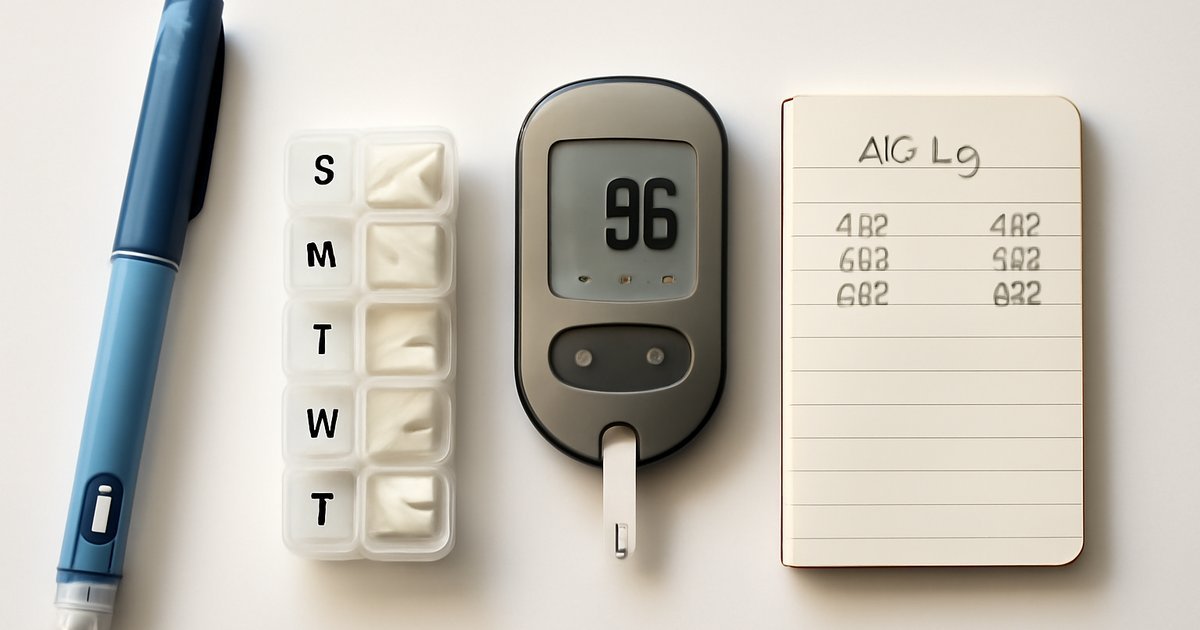

  • Diabetes Medications: A Complete Guide to Your Options

    Diabetes Medications: A Complete Guide to Your Options

    Understanding your diabetes medication can be the difference between well-managed blood sugar and costly complications — here is what every patient should know.

    When Marcus, 54, was first diagnosed with type 2 diabetes, his doctor handed him a prescription and a pamphlet. Three months later, his A1C had barely budged. What changed everything was not a new drug — it was finally understanding how his medication worked, why timing mattered, and what lifestyle habits could make it far more effective.

    According to the CDC, more than 38 million Americans are currently living with diabetes, and the vast majority — roughly 90 to 95 percent — have type 2. Of those, millions rely on one or more medications to keep their blood sugar in a safe range. Yet surveys consistently show that many patients feel confused, overwhelmed, or uncertain about their treatment plan.

    This guide breaks down the most common diabetes medications available in the US today — what they do, how they work, who they are best suited for, and what to watch out for. Whether you were recently diagnosed or have been managing diabetes for years, understanding your options gives you the power to have better, more informed conversations with your doctor.

    What Is Diabetes and Why Do Medications Matter?

    Diabetes is a chronic metabolic condition characterized by elevated blood glucose (blood sugar) levels. It occurs when the body either does not produce enough insulin — the hormone that moves sugar from the bloodstream into cells — or does not use insulin effectively, a state called insulin resistance.

    Without proper management, chronically high blood sugar damages blood vessels and nerves throughout the body, increasing the risk of heart disease, kidney failure, vision loss, and limb amputations. The American Diabetes Association (ADA) notes that adults with diabetes are two to three times more likely to die from heart disease than those without the condition.

    Medications help regulate blood sugar in multiple ways — stimulating insulin production, improving insulin sensitivity, slowing glucose absorption, or replacing the insulin your body cannot make. No single medication works the same way for every person, which is why treatment plans are highly individualized.

    The goal is not just to lower blood sugar numbers on a lab report. It is to reduce the long-term risk of serious complications while maintaining quality of life.

    Types of Diabetes Medications: A Full Breakdown

    Clinical evidence supports several distinct classes of diabetes medications. Most are used for type 2 diabetes, while insulin is essential for type 1 and often used in later stages of type 2 as well. Here is an overview of each major class.

    1. Metformin (Biguanides)

    Metformin remains the first-line medication recommended by the ADA and most US clinical guidelines for type 2 diabetes. It works primarily by reducing the amount of glucose the liver releases into the bloodstream and improving the body’s sensitivity to insulin.

    Research published in the journal Diabetes Care and supported by the landmark UK Prospective Diabetes Study has consistently shown that metformin reduces A1C (a three-month average of blood sugar levels) by approximately 1 to 1.5 percentage points. It also carries a low risk of causing hypoglycemia (dangerously low blood sugar) on its own and is generally well tolerated.

    Common side effects include nausea, diarrhea, and stomach upset — especially when first starting the medication. These often improve over time. Metformin is usually taken with food to minimize GI discomfort. This varies from person to person, so discuss any persistent side effects with your physician.

    2. Sulfonylureas

    This older class of medications — which includes drugs like glipizide, glimepiride, and glyburide — works by stimulating the pancreas to produce more insulin. They are effective at lowering blood sugar and are generally affordable, which makes them accessible for many patients.

    The main risk with sulfonylureas is hypoglycemia, because they prompt insulin release regardless of whether blood sugar is actually high. Weight gain is also a known side effect. Despite these drawbacks, clinical evidence supports their use in patients who need additional blood sugar control at a lower cost.

    3. SGLT-2 Inhibitors

    Sodium-glucose cotransporter-2 (SGLT-2) inhibitors — including empagliflozin, dapagliflozin, and canagliflozin — work by causing the kidneys to remove excess glucose through urine rather than reabsorbing it into the bloodstream. This lowers blood sugar without stimulating insulin.

    Beyond blood sugar control, multiple large clinical trials have shown significant cardiovascular and kidney-protective benefits from this drug class. The EMPA-REG OUTCOME trial, for instance, found that empagliflozin reduced the risk of cardiovascular death by 38 percent in patients with type 2 diabetes and established heart disease. The FDA has approved several SGLT-2 inhibitors not only for blood sugar management but also for reducing heart failure hospitalizations and slowing kidney disease progression.

    Potential side effects include urinary tract infections, genital yeast infections, and in rare cases, a serious condition called diabetic ketoacidosis. Your doctor will assess your individual risk profile before prescribing this class.

    4. GLP-1 Receptor Agonists

    Glucagon-like peptide-1 (GLP-1) receptor agonists mimic a naturally occurring hormone that stimulates insulin release in response to meals, slows stomach emptying, and signals fullness to the brain. Examples include semaglutide, liraglutide, and dulaglutide, available in injectable and oral forms.

    This class has gained significant attention in recent years — not only for its A1C-lowering effectiveness but also for meaningful weight loss outcomes, which benefit many people with type 2 diabetes. Clinical trials such as the LEADER and SUSTAIN studies have also demonstrated reductions in major cardiovascular events in high-risk patients.

    Side effects can include nausea, vomiting, and decreased appetite — which often diminish over time. GLP-1 agonists are not recommended for individuals with a personal or family history of certain thyroid cancers. Your physician will review your complete medical history before recommending this medication.

    5. DPP-4 Inhibitors

    Dipeptidyl peptidase-4 (DPP-4) inhibitors — such as sitagliptin, saxagliptin, and alogliptin — work by blocking the enzyme that breaks down GLP-1, effectively increasing levels of this blood-sugar-regulating hormone. They are taken as once-daily oral pills and are generally well tolerated.

    They are considered weight-neutral (they do not cause significant weight gain or loss) and carry a low risk of hypoglycemia. Research suggests they lower A1C by roughly 0.5 to 0.8 percentage points. They are often used as add-on therapy when metformin alone is not sufficient.

    6. Thiazolidinediones (TZDs)

    Thiazolidinediones, including pioglitazone, improve insulin sensitivity in muscle, fat, and liver cells. They can be effective at lowering blood sugar but are used less frequently today because of concerns about side effects including weight gain, fluid retention, and a modest increase in bone fracture risk in some populations.

    Clinical evidence indicates they may offer some cardiovascular benefit, particularly pioglitazone, based on the PROactive trial results. However, they are generally not the first or second choice for most patients given the side effect profile.

    7. Insulin Therapy

    Insulin is the cornerstone of treatment for type 1 diabetes and is also used in type 2 diabetes when blood sugar cannot be adequately controlled with oral medications or other injectables. There are several types: rapid-acting, short-acting, intermediate-acting, and long-acting — each with different onset and duration profiles.

    According to the NIH, approximately 8 million Americans use insulin to manage their diabetes. Modern delivery systems — including insulin pens, pumps, and smart pens — have made insulin therapy more convenient and precise than ever before.

    Insulin requires careful monitoring and dose adjustments, and carries a risk of hypoglycemia. Proper training from your healthcare team is essential for safe and effective use.

    Signs That Your Current Medication May Need Adjustment

    Diabetes management is not a set-it-and-forget-it process. Your medication needs can change over time as your body changes, your lifestyle shifts, or your condition progresses. Watch for these signs that your current regimen may need a review:

    • Early signs of suboptimal control: Frequent fatigue, increased thirst, urinating more often than usual, or blurred vision
    • A1C trending upward: A rise in your A1C over two or more consecutive lab readings
    • Frequent hypoglycemic episodes: Blood sugar dropping too low, causing shakiness, sweating, or confusion
    • Side effects interfering with daily life: Persistent GI distress, unexplained weight gain, or recurrent infections
    • New health conditions: A new diagnosis of kidney disease, heart failure, or liver problems may change which medications are safe for you

    A study published in the journal JAMA Internal Medicine found that many patients with type 2 diabetes experience what is called "clinical inertia" — meaning treatment is not escalated when blood sugar control deteriorates. If your A1C has been above your target for more than three to six months without a medication change, it may be time to revisit your plan with your doctor.

    Combining Medications: What to Expect

    Many people with type 2 diabetes require more than one medication over time. This is not a sign of failure — it reflects the progressive nature of the condition. The pancreas gradually produces less insulin as the disease advances, meaning the treatment plan often needs to evolve.

    Common combinations include metformin paired with a GLP-1 agonist, an SGLT-2 inhibitor, or a DPP-4 inhibitor. Some patients eventually add insulin to their existing oral or injectable regimen. Fixed-dose combination pills are also available, making it easier to take multiple medications in a single tablet.

    Research suggests that combination therapy targeting multiple mechanisms simultaneously often achieves better blood sugar control than escalating a single drug to higher doses. Your doctor will weigh effectiveness, side effect profiles, cost, and your personal health history when designing your combination plan.

    If cost is a concern — and for many Americans it is — discuss generic alternatives and patient assistance programs with your physician or pharmacist. The ADA and many pharmaceutical manufacturers offer resources to help reduce out-of-pocket expenses. You may also want to check your coverage options, and if you are managing multiple conditions, our guide on Health Insurance for Pre-Existing Conditions can help you understand your rights and coverage.

    Lifestyle Factors That Enhance Medication Effectiveness

    Medications work best as part of a comprehensive diabetes management strategy. Clinical evidence consistently shows that lifestyle modifications amplify the effectiveness of pharmacological treatment.

    Key evidence-based strategies include:

    • Carbohydrate-aware eating: Understanding how different foods affect blood sugar can help you time meals and snacks to complement your medication’s action. If you haven’t already, our Carbohydrate Counting for Type 2 Diabetes guide covers this in depth.
    • Regular physical activity: Exercise increases insulin sensitivity, allowing your medications to work more efficiently. Even a 20- to 30-minute walk after meals has been shown to blunt post-meal blood sugar spikes.
    • Sleep quality: Research published by the NIH and highlighted by organizations like the American Diabetes Association shows a strong link between poor sleep and blood sugar dysregulation. If you’re curious about this connection, our article on Type 2 Diabetes and Sleep explains the mechanisms in detail.
    • Stress management: Chronic stress elevates cortisol, a hormone that raises blood sugar. Mindfulness practices, therapy, and social support can make a measurable difference in glucose control.
    • Consistent medication timing: Taking medications at the same time each day — particularly those tied to meals — helps maintain stable blood levels and predictable effects.

    When to Call Your Doctor — and Emergency Red Flags

    Most medication side effects and blood sugar fluctuations can be managed with a scheduled visit. However, some situations require immediate medical attention.

    Call your doctor promptly if you experience:

    • A single blood sugar reading above 300 mg/dL without an obvious cause
    • Persistent nausea, vomiting, or stomach pain after starting a new medication
    • Swelling in your legs, ankles, or feet (possible fluid retention from TZDs or other causes)
    • Signs of a urinary tract infection — burning, frequency, or discomfort — that does not resolve quickly
    • Unexpected weight loss or persistent fatigue despite blood sugar appearing controlled

    Go to the emergency room or call 911 immediately if you experience:

    • Symptoms of severe hypoglycemia: loss of consciousness, seizure, extreme confusion, or inability to swallow
    • Symptoms of diabetic ketoacidosis (DKA): fruity-smelling breath, rapid breathing, extreme thirst, vomiting, and confusion — this is a medical emergency, more common in type 1 but can occur in type 2 under certain circumstances including SGLT-2 inhibitor use
    • Symptoms of hyperosmolar hyperglycemic state (HHS): extremely high blood sugar (often above 600 mg/dL), severe dehydration, altered mental status — requires emergency hospital care
    • Chest pain, shortness of breath, or signs of stroke alongside blood sugar changes

    Never stop taking a prescribed diabetes medication without speaking with your doctor first, even if you are experiencing side effects. Abruptly discontinuing insulin or certain other medications can cause dangerous rebound spikes in blood sugar.

    Frequently Asked Questions About Diabetes Medications

    Can I ever stop taking diabetes medication if my blood sugar improves?
    Research suggests that significant lifestyle changes — particularly substantial weight loss — can sometimes allow for medication reduction or, in some cases, temporary remission of type 2 diabetes. However, this decision must be made exclusively by your physician based on ongoing monitoring. Never discontinue medication without medical supervision.

    Is insulin a sign that my diabetes has gotten much worse?
    Not necessarily. Because type 2 diabetes is progressive, many people eventually need insulin as the pancreas produces less of it over time. Requiring insulin is a reflection of the disease’s natural course, not a personal failure. Many people on insulin live full, active lives with excellent blood sugar control.

    Are newer diabetes medications worth the higher cost?
    For many patients — especially those with cardiovascular disease, heart failure, or chronic kidney disease — newer medications like SGLT-2 inhibitors and GLP-1 agonists offer clinically meaningful benefits beyond blood sugar control. Clinical guidelines from the ADA now recommend these agents as preferred options for patients with those coexisting conditions, regardless of blood sugar levels. Discuss your individual risk profile and insurance coverage with your doctor.

    Can diabetes medications interact with other drugs I take?
    Yes. Certain common medications — including some antibiotics, antifungals, blood pressure drugs, and pain relievers — can affect how diabetes medications work or increase the risk of hypoglycemia. Always give your doctor and pharmacist a complete list of all medications, supplements, and over-the-counter products you take.

    What does my A1C target mean, and how often should it be checked?
    A1C measures your average blood sugar over approximately three months. The ADA recommends an A1C target of less than 7 percent for most non-pregnant adults with diabetes, though individual targets vary based on age, other health conditions, and risk of hypoglycemia. Most patients have their A1C checked every three months if the plan is being adjusted, or every six months if stable.

    Conclusion

    Managing diabetes with medication is not a one-size-fits-all journey. The landscape of treatment options has never been more robust — from well-established medications like metformin to newer agents with documented cardiovascular and kidney benefits. What matters most is that your treatment plan is tailored to your specific health profile, preferences, and goals.

    Understanding how your medications work, what side effects to watch for, and how lifestyle choices influence their effectiveness puts you in a much stronger position as a patient. The most successful diabetes management happens when you and your healthcare team are working from the same page.

    Use this guide as a starting point — then bring your questions to your next appointment. Your doctor is your most important partner in this process, and informed patients consistently achieve better outcomes.

    This article is for informational and educational purposes only. It does not constitute medical advice, diagnosis, or treatment. Always consult your physician or a qualified healthcare provider before making changes to your health routine or treatment plan.

    Medically reviewed by our editorial health team. Content follows evidence-based standards aligned with CDC and NIH guidelines.

  • Type 2 Diabetes and Sleep: How Poor Rest Affects Blood Sugar

    Type 2 Diabetes and Sleep: How Poor Rest Affects Blood Sugar

    The connection between sleep deprivation and blood sugar dysregulation is one of the most underestimated factors in diabetes management — and your nightly rest may matter more than you think.

    Mark, 54, had been managing his type 2 diabetes diligently. He watched what he ate, walked 30 minutes most days, and took his metformin without fail. But his A1C numbers kept creeping upward, and neither he nor his doctor could figure out why — until a sleep study revealed he was getting fewer than five hours of quality sleep per night.

    Mark’s story is far from unique. According to the CDC, more than 37 million Americans have diabetes, and a growing body of research indicates that poor sleep is a significant but often overlooked contributor to poor blood sugar control. If you’re managing type 2 diabetes and struggling to keep your glucose levels stable, your sleep habits deserve serious attention.

    In this article, you’ll learn exactly how sleep affects blood sugar, what the science says about sleep deprivation and insulin resistance, and what practical steps you can take — in partnership with your healthcare team — to improve both your rest and your metabolic health.

    How Sleep and Blood Sugar Are Biologically Connected

    Sleep is not passive downtime for your body. During sleep, your brain and organs undergo critical repair processes, hormones are regulated, and your metabolism is actively maintained. For people with type 2 diabetes — a condition defined by the body’s impaired ability to use insulin effectively — this nightly biological reset is especially important.

    Insulin is the hormone responsible for moving glucose (sugar) from your bloodstream into your cells, where it’s used for energy. When sleep is disrupted or insufficient, several hormonal changes occur that directly interfere with insulin’s ability to do its job.

    Research published in the Annals of Internal Medicine found that just four nights of sleep restriction (about 4.5 hours per night) reduced insulin sensitivity in healthy adults by approximately 16%, and fat cell insulin sensitivity dropped by as much as 30%. These are dramatic short-term effects — and for someone already managing insulin resistance, the consequences can be even more pronounced.

    Clinical evidence also indicates that sleep deprivation increases levels of cortisol (the stress hormone) and growth hormone overnight — both of which raise blood glucose. Add to that elevated levels of ghrelin (the hunger hormone) and lower levels of leptin (the satiety hormone), and you have a hormonal environment perfectly designed to spike blood sugar and increase appetite for high-carbohydrate foods the next day.

    Signs That Sleep May Be Affecting Your Blood Sugar

    Not everyone connects poor sleep to glucose dysregulation, but your body often gives clear signals. Watch for these early and advanced warning signs:

    Early signs that sleep disruption may be affecting your blood sugar:

    • Morning blood glucose readings that are consistently higher than expected (known as the "dawn phenomenon")
    • Intense carbohydrate or sugar cravings the day after a poor night’s sleep
    • Unusual fatigue even after eating a balanced meal
    • Difficulty concentrating or brain fog in the morning
    • Mood irritability or anxiety without clear cause

    More advanced signs that sleep problems may be significantly impacting diabetes management:

    • Consistently elevated A1C levels despite good dietary adherence
    • Frequent nighttime urination that further disrupts sleep (a cycle common in diabetes)
    • Suspected or diagnosed obstructive sleep apnea — a condition strongly linked to blood sugar dysregulation
    • Unexplained weight gain, particularly around the abdomen
    • Increased frequency of hypoglycemic (low blood sugar) or hyperglycemic episodes

    A 2022 meta-analysis in Diabetes Care found that adults with type 2 diabetes who reported poor sleep quality had significantly higher A1C levels compared to those with better sleep — confirming that this is not just a matter of feeling tired.

    Causes and Risk Factors: Why People With Diabetes Sleep Poorly

    The relationship between diabetes and sleep is bidirectional — meaning poor sleep worsens blood sugar, and high blood sugar worsens sleep. This cycle can be difficult to break without understanding its root causes.

    Physiological causes:

    • Nocturia: High blood glucose causes the kidneys to work overtime, leading to frequent nighttime urination that fragments sleep.
    • Peripheral neuropathy: Nerve damage in the feet and legs — common in long-standing diabetes — can cause pain, tingling, or restless legs that make it hard to fall or stay asleep.
    • Obstructive sleep apnea (OSA): The American Diabetes Association notes that OSA affects up to 23% of people with type 2 diabetes, though some studies suggest rates may be even higher. OSA causes repeated breathing interruptions during sleep, triggering cortisol surges and glucose spikes.
    • Hypoglycemia during the night: Low blood sugar episodes can cause sweating, heart palpitations, and nightmares that abruptly wake you.

    Lifestyle and environmental risk factors:

    • Shift work or irregular sleep schedules, which disrupt the body’s circadian rhythm and impair glucose metabolism
    • Stress and anxiety related to managing a chronic condition
    • Sedentary behavior during the day, which reduces sleep quality at night
    • Alcohol use, which may initially induce drowsiness but significantly fragments sleep architecture

    According to the NIH, adults with both type 2 diabetes and obstructive sleep apnea face compounded metabolic risk, with studies showing that treating OSA with CPAP therapy can meaningfully improve insulin sensitivity and morning glucose levels.

    Diagnosis: What to Expect When Sleep and Diabetes Intersect

    If you suspect poor sleep is contributing to your diabetes management challenges, it’s worth bringing this up at your next appointment. Your doctor may take several approaches:

    Sleep history and questionnaires: Your provider may ask you to complete standardized tools like the Epworth Sleepiness Scale or the Pittsburgh Sleep Quality Index to assess the severity of your sleep disruption.

    Referral for a sleep study: If sleep apnea is suspected based on symptoms — such as snoring, witnessed pauses in breathing, or excessive daytime sleepiness — you may be referred for a polysomnography (an overnight sleep study) or a home sleep apnea test.

    Continuous glucose monitoring (CGM): Some clinicians use CGM data to identify nighttime glucose patterns — particularly whether blood sugar spikes in the early morning hours (the dawn phenomenon) or dips dangerously low overnight.

    Lab work: Your doctor may review your A1C trends alongside your sleep history to look for correlations over time.

    Don’t wait for symptoms to become severe. If you regularly get fewer than seven hours of sleep per night or feel unrefreshed upon waking, that’s a reasonable threshold to discuss with your healthcare provider.

    Treatment Options: Addressing Sleep to Improve Blood Sugar Control

    Treating sleep problems in the context of diabetes usually requires a multi-pronged approach. Clinical evidence supports the following strategies — and importantly, these work best as complements to your existing diabetes treatment plan, not replacements.

    Treating obstructive sleep apnea:

    If diagnosed with OSA, continuous positive airway pressure (CPAP) therapy is the gold-standard treatment. Research from the American Academy of Sleep Medicine suggests that consistent CPAP use in people with type 2 diabetes can reduce fasting glucose levels and improve insulin sensitivity over time. This varies from person to person, and not all studies show dramatic A1C reductions, but the metabolic benefits are well-documented enough that most endocrinologists consider OSA treatment a meaningful part of diabetes care.

    Cognitive Behavioral Therapy for Insomnia (CBT-I):

    For those with chronic insomnia — defined as difficulty falling or staying asleep at least three nights per week for three months or more — CBT-I is now considered the first-line treatment by the American College of Physicians, superior to sleep medications for long-term outcomes. CBT-I helps you identify and change thought patterns and behaviors that interfere with sleep.

    Medication review:

    Some diabetes medications or blood pressure drugs can affect sleep. Your doctor may review your medication timing or formulations if nighttime side effects are an issue. Never adjust your medications without physician guidance.

    Lifestyle modifications with strong evidence:

    • Regular physical activity: Exercise improves both sleep quality and insulin sensitivity. Research suggests that even moderate-intensity activity like brisk walking significantly improves sleep architecture in adults with type 2 diabetes. For more on this, see our article on Exercise and Blood Sugar: Managing Type 2 Diabetes Naturally.
    • Consistent sleep and wake times: Anchoring your circadian rhythm with regular sleep scheduling helps regulate cortisol and glucose patterns.
    • Evening meal timing: Eating large meals close to bedtime can raise overnight glucose levels and disrupt sleep. Most clinical guidelines suggest finishing dinner at least two to three hours before bed.
    • Carbohydrate management: Managing carbohydrate intake in your evening meal can reduce overnight glucose spikes. Our guide on Carbohydrate Counting for Type 2 Diabetes offers practical strategies.

    Living With Diabetes: Practical Sleep Hygiene That Supports Blood Sugar

    Sleep hygiene refers to the habits and environmental conditions that support consistent, restorative sleep. For people managing type 2 diabetes, these practices carry additional metabolic weight.

    Evidence-supported sleep hygiene strategies:

    • Keep your bedroom cool and dark: A room temperature between 65–68°F (18–20°C) is associated with better sleep quality, according to sleep medicine research.
    • Limit screen time before bed: Blue light from phones and tablets suppresses melatonin production and delays sleep onset.
    • Establish a wind-down routine: Reading, light stretching, or a warm bath in the 30 minutes before bed signals to your nervous system that sleep is coming.
    • Avoid alcohol within three hours of bedtime: While alcohol may help you fall asleep faster, it significantly disrupts REM sleep and can cause rebound blood sugar spikes.
    • Check your blood sugar before bed: If your glucose is too high or too low, address it before lying down — both extremes impair sleep quality and can be dangerous overnight.
    • Manage stress actively: Chronic psychological stress elevates cortisol, disrupts sleep, and raises blood glucose. Mindfulness, gentle yoga, or simply talking through stressors with a therapist can help break this cycle. Managing stress effectively through approaches like mindful eating and awareness practices may also support both metabolic and emotional wellbeing.

    When to Call Your Doctor or Seek Emergency Care

    Most sleep issues related to diabetes can be addressed in a scheduled appointment — but some signs require prompt or immediate medical attention.

    Call your doctor soon if you experience:

    • Consistent morning blood glucose readings that are significantly higher than your target range despite your usual management
    • Loud snoring, gasping for air, or witnessed breathing pauses during sleep (reported by a partner)
    • Severe daytime sleepiness that affects your ability to drive or work safely
    • Nighttime hypoglycemia (blood sugar below 70 mg/dL) occurring more than once per week
    • New or worsening symptoms of diabetic neuropathy at night, such as burning, tingling, or pain in the feet

    Seek emergency care immediately if you experience:

    • Signs of severe hypoglycemia: confusion, inability to swallow, seizure, or loss of consciousness
    • Signs of diabetic ketoacidosis (DKA): nausea, vomiting, abdominal pain, rapid breathing, fruity-smelling breath, or altered consciousness
    • Chest pain or difficulty breathing during the night, which can indicate cardiovascular complications

    If you’re unsure whether a symptom requires urgent care, err on the side of caution and contact your healthcare provider or call 911.

    Frequently Asked Questions

    Q: Can sleeping more actually lower my blood sugar?
    A: Research suggests that improving sleep duration and quality can meaningfully support better insulin sensitivity and glucose regulation, particularly in people with type 2 diabetes who are chronically sleep-deprived. However, sleep is one piece of a comprehensive management plan — it works best alongside medication, diet, and exercise, not as a standalone fix.

    Q: Why is my blood sugar high in the morning even though I didn’t eat overnight?
    A: This is known as the dawn phenomenon. In the early morning hours, your body naturally releases hormones like cortisol and growth hormone that signal the liver to release stored glucose. In people with type 2 diabetes, this process can cause elevated fasting blood sugar readings. Poor sleep quality can intensify this effect.

    Q: Does sleep apnea cause diabetes, or does diabetes cause sleep apnea?
    A: Clinical evidence indicates the relationship is bidirectional. Obesity — a major risk factor for both — links the two conditions. Sleep apnea worsens insulin resistance through repeated cortisol surges, and diabetes can contribute to upper airway changes. Treating one condition often has positive effects on the other.

    Q: Are sleep medications safe for people with type 2 diabetes?
    A: This varies significantly from person to person and depends on other medications and health conditions. Some sleep aids can affect blood sugar or interact with diabetes medications. The American College of Physicians recommends CBT-I as the first-line treatment for insomnia, with medications considered only when non-pharmacological approaches haven’t worked and always under physician supervision.

    Q: How many hours of sleep do adults with diabetes need?
    A: The CDC and the American Academy of Sleep Medicine recommend 7 to 9 hours of sleep per night for adults. Studies specifically in people with type 2 diabetes suggest that both too little sleep (under 6 hours) and too much sleep (over 9 hours) are associated with worse glycemic control, pointing to that 7–8 hour sweet spot as optimal for most adults.

    Conclusion

    Managing type 2 diabetes is rarely about one single factor — and sleep is one of the most powerful, yet most overlooked, levers in your metabolic health toolkit. Research consistently shows that poor sleep drives insulin resistance, elevates cortisol, disrupts hunger hormones, and makes every other aspect of diabetes management harder.

    The good news is that sleep is something you can actively work to improve, and many people see meaningful improvements in their blood sugar readings when they address sleep alongside their standard diabetes care plan.

    Start by tracking your sleep patterns, bringing your concerns to your healthcare provider, and exploring evidence-based options like CBT-I or a sleep apnea evaluation if needed. Small, consistent changes to your sleep environment and evening routine can have a ripple effect on your glucose levels, energy, and overall quality of life. You deserve both good sleep and good health — and with the right support, both are within reach.


    Medical Disclaimer: This article is for informational and educational purposes only. It does not constitute medical advice, diagnosis, or treatment. Always consult your physician or a qualified healthcare provider before making changes to your health routine or treatment plan.

    Medically reviewed by our editorial health team. Content follows evidence-based standards aligned with CDC and NIH guidelines.

  • Carbohydrate Counting for Type 2 Diabetes: A Complete Guide

    Carbohydrate Counting for Type 2 Diabetes: A Complete Guide

    Carbohydrate Counting for Type 2 Diabetes: A Complete Guide

    Learning to count carbs is one of the most clinically validated tools for keeping blood sugar stable — and it may transform the way you eat forever.

    Introduction

    When Marcus, 54, was diagnosed with type 2 diabetes, his doctor handed him a pamphlet and said three words that changed his daily life: "Watch your carbs." But nobody explained exactly what that meant. How many carbs? Which ones? Does a banana count the same as white bread? For the next two years, Marcus guessed — and his A1C showed it.

    Marcus's story is far from unique. According to the CDC, more than 38 million Americans are living with diabetes, and the vast majority have type 2. Yet surveys consistently show that fewer than half of people with diabetes receive structured nutrition education after diagnosis.

    Carbohydrate counting — often called "carb counting" — is a meal planning method supported by decades of clinical research. It helps you understand exactly how different foods affect your blood glucose levels, giving you real control over your diabetes management.

    In this guide, you will learn what carbohydrate counting is, how it works, how many carbs are right for you, and how to apply it to real meals starting today. Whether you are newly diagnosed or looking to tighten your control, this article will give you a clear, practical roadmap.

    What Is Carbohydrate Counting?

    Carbohydrate counting is a structured nutrition strategy in which you track the total grams of carbohydrates you consume at each meal and across the day. It is based on a well-established physiological fact: carbohydrates have the most direct and immediate impact on blood glucose levels compared to protein or fat.

    When you eat carbohydrates, your digestive system breaks them down into glucose. That glucose enters your bloodstream, causing blood sugar to rise. In people without diabetes, insulin automatically manages this rise. In type 2 diabetes, insulin resistance means the body does not process glucose efficiently — so managing how many carbs you eat, and when, becomes a powerful lever for blood sugar control.

    The American Diabetes Association (ADA) recognizes carbohydrate counting as one of the most effective meal planning strategies for people with type 2 diabetes. A 2019 meta-analysis published in Diabetes Care found that structured carbohydrate management was associated with meaningful improvements in A1C — the three-month average blood sugar measure — across diverse patient populations.

    There are two main levels of carb counting:

    • Basic carb counting: Eating a consistent number of carbohydrate servings at each meal to stabilize blood sugar patterns. This is the most common approach for people managing type 2 diabetes with oral medications or lifestyle alone.
    • Advanced carb counting: Calculating exact carb grams and adjusting insulin doses accordingly. This is typically used by people on intensive insulin therapy and requires closer medical supervision.

    For most adults with type 2 diabetes, basic carb counting is both practical and effective — and it does not require math skills beyond basic addition.

    Signs Your Blood Sugar Is Being Affected by Carb Intake

    Before diving into the mechanics, it helps to recognize how blood sugar fluctuations may be showing up in your body. These are not always obvious, especially in the early stages of type 2 diabetes.

    Signs your blood sugar may be spiking after meals:

    • Unusual fatigue or drowsiness 30 to 90 minutes after eating
    • Blurred vision shortly after meals
    • Increased thirst or frequent urination within a few hours of eating
    • Difficulty concentrating or mental "fogginess"
    • Headache after high-carb meals

    Signs blood sugar may be dropping too low (hypoglycemia):

    • Shakiness, sweating, or rapid heartbeat
    • Sudden irritability or anxiety
    • Intense hunger, even shortly after eating
    • Lightheadedness or dizziness
    • Confusion or difficulty speaking clearly

    According to the NIH, postprandial hyperglycemia — the blood sugar spike that occurs after meals — is a key contributor to long-term diabetic complications, including cardiovascular disease, kidney damage, and nerve damage. Carb counting directly targets this window of risk.

    If you experience any of the hypoglycemia symptoms listed above, especially if you are on insulin or blood-sugar-lowering medications, contact your healthcare provider promptly. Severe hypoglycemia is a medical emergency.

    Understanding Carbohydrates: Not All Carbs Are Equal

    One of the most empowering things you can learn about carb counting is that the type of carbohydrate matters almost as much as the amount. Lumping all carbs together is one of the most common mistakes people make when first starting out.

    Simple carbohydrates are rapidly digested and cause quick spikes in blood sugar. These include:

    • White bread, white rice, and regular pasta
    • Sugar-sweetened beverages (soda, juice, sports drinks)
    • Candy, cookies, cakes, and pastries
    • Table sugar, honey, and maple syrup

    Complex carbohydrates are digested more slowly due to their fiber content, producing a more gradual rise in blood sugar. These include:

    • Whole grains (oats, brown rice, quinoa, whole wheat bread)
    • Legumes (lentils, black beans, chickpeas)
    • Non-starchy vegetables (broccoli, spinach, cauliflower)
    • Most whole fruits (not juice)

    Clinical evidence from Harvard Health indicates that high-fiber foods lower the glycemic index — a measure of how quickly a food raises blood sugar — significantly compared to their refined counterparts. For example, white rice has a glycemic index of approximately 72, while brown rice sits closer to 50.

    This does not mean you can eat unlimited complex carbs. But it does mean that food quality shapes your blood sugar response just as much as quantity. A meal of 45 grams of carbs from oatmeal and berries will typically produce a much more stable blood sugar curve than 45 grams from a stack of pancakes with syrup.

    You can also pair carbs with protein, healthy fat, or fiber to further slow digestion and blunt glucose spikes — a strategy most registered dietitians recommend for people with type 2 diabetes. For more detail on blood sugar response patterns, our article on Blood Glucose Monitoring: Your Key to Diabetes Control walks through how to track those responses at home.

    How Many Carbs Should You Eat Per Day?

    This is the question almost every person with type 2 diabetes asks — and the honest answer is: it varies. There is no universal carb target that works for everyone, and your healthcare provider or registered dietitian should help you determine your personal goal.

    That said, research offers some general benchmarks. A 2021 review in Nutrients found that moderate carbohydrate restriction — typically defined as 100 to 150 grams of carbohydrates per day — was associated with improved A1C and fasting glucose in adults with type 2 diabetes, without requiring extreme dietary changes.

    General starting ranges, by approach:

    • Moderate carb approach (most common for type 2 diabetes): 45–60 grams per meal, or roughly 135–180 grams per day
    • Low-carb approach: 50–100 grams per day total, sometimes used under medical supervision for more aggressive glucose control
    • Very low carb / ketogenic approach: Under 50 grams per day — requires close medical monitoring and is not appropriate for everyone

    For most adults managing type 2 diabetes with diet and oral medication, the ADA suggests aiming for 45 to 60 grams of carbohydrates per meal as a reasonable starting point. Snacks, if needed, are typically capped at 15 to 30 grams.

    Keep in mind that physical activity significantly affects how your body handles carbohydrates. Research suggests that exercising after meals can lower postprandial blood sugar by improving glucose uptake in muscles. For a closer look at this relationship, see our guide on Exercise and Blood Sugar: Managing Type 2 Diabetes Naturally.

    How to Count Carbs: A Step-by-Step Approach

    The practical mechanics of carb counting are straightforward once you know where to look for the numbers. Here is a step-by-step process you can start using immediately.

    Step 1: Read the Nutrition Facts Label

    The Nutrition Facts panel on any packaged food will show "Total Carbohydrate" in grams per serving. This is your primary number. Beneath it, you will see dietary fiber and total sugars listed — these are already included in the total carbohydrate count, so do not add them separately.

    Always check the serving size first. If the label says 30 grams of carbs per serving and you eat two servings, you are consuming 60 grams of carbs — not 30.

    Step 2: Measure Your Portions

    Visual estimates are notoriously inaccurate, especially for high-carb foods like rice, pasta, and bread. Research from the American Journal of Clinical Nutrition found that people consistently underestimate portion sizes by 20 to 40 percent. Use measuring cups, a food scale, or a measuring spoon until you develop a reliable visual sense of portions.

    Step 3: Use a Carb Reference for Whole Foods

    Fresh fruits, vegetables, and grains do not come with labels. Use a reliable reference such as the USDA FoodData Central database or a diabetes-specific carb-counting app. General benchmarks include:

    • 1 slice of whole wheat bread ≈ 15 grams of carbs
    • 1/3 cup of cooked pasta or rice ≈ 15 grams of carbs
    • 1 small apple or banana ≈ 15–20 grams of carbs
    • 1/2 cup of cooked oatmeal ≈ 15 grams of carbs
    • 1 cup of milk or plain yogurt ≈ 12–15 grams of carbs
    • 1/2 cup of cooked lentils or beans ≈ 20 grams of carbs
    • 1 cup of non-starchy vegetables ≈ 5 grams of carbs

    Step 4: Build a Balanced Plate

    The ADA's Diabetes Plate Method recommends filling half your plate with non-starchy vegetables, one quarter with lean protein, and one quarter with quality carbohydrates. This visual approach naturally controls carb portions without requiring precise math at every meal.

    Step 5: Track and Adjust

    Apps like MyFitnessPal, Cronometer, or the mySugr diabetes management app allow you to log meals and see carb totals in real time. Pairing food logs with blood glucose readings — taken before a meal and two hours after — helps you identify which foods spike your blood sugar most. This personalized data is more valuable than any general guideline.

    Living With Carb Counting: Practical Day-to-Day Tips

    Carb counting is not meant to make eating stressful. With a little practice, it becomes second nature. Here are evidence-informed strategies to make it sustainable:

    • Plan meals ahead of time. Knowing what you will eat before you sit down removes impulsive high-carb choices from the equation.
    • Eat at consistent times. Clinical evidence suggests that eating on a regular schedule helps stabilize insulin sensitivity and reduces blood sugar variability throughout the day.
    • Do not skip meals. Skipping meals often leads to overconsumption of carbs at the next meal, causing larger blood sugar spikes.
    • Eat protein with every meal. Protein slows gastric emptying, which blunts postprandial glucose spikes without contributing to carbohydrate totals.
    • Be cautious at restaurants. Restaurant portions are often 2 to 3 times larger than standard serving sizes. Consider splitting an entree, ordering a side salad instead of fries, or asking for a to-go box before you start eating.
    • Choose whole fruit over juice. A glass of orange juice contains roughly the same carbs as a full orange — but without the fiber that slows sugar absorption.

    Some people find that combining carb counting with time-restricted eating offers additional blood sugar benefits. If this approach interests you, our overview of Intermittent Fasting for Weight Loss covers the evidence and safety considerations to discuss with your doctor first.

    When to Call Your Doctor or Seek Emergency Care

    Carbohydrate counting is a powerful self-management tool, but it works best as part of a broader relationship with your healthcare team. Knowing when to reach out — or call 911 — is essential.

    Call your doctor if you notice:

    • Blood sugar readings consistently above 180 mg/dL two hours after meals despite dietary changes
    • Fasting blood sugar repeatedly above 130 mg/dL in the morning
    • Unexplained weight loss of more than 5 pounds in one to two weeks
    • New or worsening numbness, tingling, or pain in your feet or hands
    • Frequent low blood sugar episodes (below 70 mg/dL)
    • Any significant change in your vision

    Call 911 or go to the emergency room immediately if you experience:

    • Blood sugar above 300 mg/dL with symptoms such as vomiting, deep rapid breathing, or confusion — these may indicate diabetic ketoacidosis (DKA) or hyperosmolar hyperglycemic state (HHS), both of which are life-threatening emergencies
    • Severe hypoglycemia: loss of consciousness, seizure, or inability to swallow
    • Chest pain or pressure, especially combined with high blood sugar
    • Sudden slurred speech, facial drooping, or weakness on one side of the body

    These are non-negotiable red flags. Do not attempt to manage them at home with dietary adjustments. Seek emergency medical care immediately.

    Frequently Asked Questions About Carb Counting and Type 2 Diabetes

    Q: Do I have to count carbs forever if I have type 2 diabetes?

    Not necessarily in a rigid, every-gram way. Many people find that after several months of active carb counting, they develop an intuitive understanding of food portions and composition. That said, staying mindful of carbohydrate intake remains important for long-term blood sugar control, even if you stop formal tracking. Your healthcare provider can guide you on when and how to transition.

    Q: Does fiber count toward my carbohydrate total?

    Fiber is listed under total carbohydrates on the nutrition label, but it does not raise blood sugar the way digestible carbs do. Some carb-counting approaches subtract fiber grams from total carbs to get "net carbs." The ADA acknowledges this method but recommends discussing it with your dietitian, as the evidence for net carb counting is not fully standardized in clinical guidelines.

    Q: Can I eat fruit if I have type 2 diabetes?

    Yes. Clinical evidence from the ADA and Mayo Clinic supports eating whole fruit as part of a balanced diabetes diet. Whole fruit contains fiber, vitamins, and antioxidants. The key is portion control — a small piece of fruit or half a cup of berries fits comfortably into a structured carb-counting plan. Fruit juice, on the other hand, should be limited because it removes the fiber and concentrates the sugar.

    Q: How does carb counting differ from the glycemic index diet?

    Carb counting focuses on the total quantity of carbohydrates consumed. The glycemic index (GI) approach focuses on the speed at which specific foods raise blood sugar. Many dietitians recommend combining both: controlling the total amount of carbs while also choosing lower-GI options. This dual approach has been shown in clinical trials to produce better A1C outcomes than either method alone.

    Q: I'm on metformin — do I still need to count carbs?

    Yes. Metformin and other oral diabetes medications work to improve insulin sensitivity and reduce glucose production in the liver, but they do not neutralize the blood sugar impact of high-carb meals. Research consistently shows that medication plus structured meal planning outperforms medication alone in achieving glycemic targets. Think of carb counting as working with your medication, not replacing it.

    Conclusion

    Carbohydrate counting is not a fad diet or a short-term fix — it is a clinically grounded, evidence-backed skill that puts you in the driver's seat of your diabetes management. By understanding which foods raise your blood sugar, how much to eat, and how to build balanced meals, you gain a level of control that no medication alone can provide.

    This varies from person to person. Your ideal carb target, your preferred meal structure, and your blood sugar response patterns are uniquely yours. That is why working closely with your healthcare provider and, ideally, a registered dietitian with diabetes expertise is so important. They can tailor these principles to your specific goals, medications, and lifestyle.

    You do not have to be perfect — you just have to be consistent. Small, steady improvements in how you eat compound over time into meaningful changes in your A1C, energy levels, and long-term health. Start where you are, track what you can, and let your numbers guide you forward.


    Medical Disclaimer: This article is for informational and educational purposes only. It does not constitute medical advice, diagnosis, or treatment. Always consult your physician or a qualified healthcare provider before making changes to your health routine or treatment plan.

    Medically reviewed by our editorial health team. Content follows evidence-based standards aligned with CDC, NIH, and American Diabetes Association guidelines.

  • Exercise and Blood Sugar: Managing Type 2 Diabetes Naturally

    Exercise and Blood Sugar: Managing Type 2 Diabetes Naturally

    Exercise and Blood Sugar: Managing Type 2 Diabetes Naturally

    Physical activity is one of the most powerful — and underused — tools for controlling blood sugar in adults with type 2 diabetes.

    Introduction

    Marcus, 54, was diagnosed with type 2 diabetes two years ago. His doctor prescribed medication, adjusted his diet, and encouraged him to exercise. He followed the first two instructions carefully — but gym memberships felt intimidating, and he wasn’t sure what kind of exercise was even safe for someone with his condition.

    Sound familiar? You’re not alone. According to the Centers for Disease Control and Prevention (CDC), approximately 38 million Americans are currently living with diabetes, and the vast majority have type 2. Yet research consistently shows that up to 60% of people with type 2 diabetes do not meet the recommended minimum for weekly physical activity.

    That gap matters enormously. Regular exercise is one of the few interventions shown to directly lower blood sugar levels, improve insulin sensitivity, reduce cardiovascular risk, and even help some people reduce their dependence on medication — all under medical supervision.

    In this guide, you’ll learn exactly how exercise affects blood sugar, which types of physical activity work best, how to get started safely, and what warning signs to watch for along the way.

    How Exercise Affects Blood Sugar in Type 2 Diabetes

    To understand why exercise matters so much, it helps to know what’s happening inside your body during a workout.

    When your muscles contract during physical activity, they absorb glucose (blood sugar) directly from your bloodstream — even without requiring insulin to do it. This is a separate pathway from how insulin normally works, and it’s one of the reasons exercise can lower blood sugar almost immediately after you start moving.

    Over time, regular exercise also improves insulin sensitivity, meaning your cells become more responsive to the insulin your pancreas produces. In type 2 diabetes, the core problem is insulin resistance — the body’s cells don’t respond properly to insulin. Exercise helps reverse this pattern at the cellular level.

    A landmark meta-analysis published in Diabetes Care found that structured exercise training — including aerobic, resistance, or combined exercise — significantly reduced HbA1c (hemoglobin A1c, a 3-month average of blood sugar control) by an average of 0.67% in people with type 2 diabetes. For many patients, this reduction rivals what some oral medications can achieve.

    Clinical evidence also indicates that the benefits begin within a single session. A brisk 30-minute walk can lower blood glucose for up to 24 hours afterward. This is a meaningful, measurable effect — not a distant long-term promise.

    Types of Exercise That Help Control Blood Sugar

    Not all exercise works exactly the same way on blood sugar, but research supports several categories as particularly effective for people with type 2 diabetes.

    Aerobic Exercise

    Aerobic activity — often called cardio — includes walking, swimming, cycling, dancing, water aerobics, and jogging. These activities elevate your heart rate and keep it elevated for a sustained period.

    The American Diabetes Association (ADA) recommends at least 150 minutes of moderate-intensity aerobic exercise per week, spread over at least three days, with no more than two consecutive days of inactivity. Moderate intensity means you can talk but would find it difficult to sing.

    Walking remains the most accessible and well-studied form of aerobic exercise for people with diabetes. Even breaking it into three 10-minute sessions throughout the day has been shown to produce meaningful improvements in postprandial (after-meal) blood sugar levels.

    Resistance Training

    Resistance training — using weights, resistance bands, or bodyweight exercises like squats and push-ups — builds muscle mass, and muscle is your body’s primary glucose storage site.

    More muscle tissue means more places for glucose to be stored and used, which supports better long-term blood sugar control. A study from the NIH-supported Look AHEAD trial found that adults with type 2 diabetes who combined aerobic and resistance training had better glycemic control than those who did either type alone.

    Most experts recommend resistance training at least two to three times per week on non-consecutive days, targeting all major muscle groups.

    Flexibility and Balance Training

    While yoga and stretching exercises don’t directly lower blood sugar as dramatically as aerobic or resistance training, research suggests they can reduce cortisol (a stress hormone that raises blood sugar), improve flexibility, and lower the risk of falls and injuries — particularly important for older adults managing diabetes.

    A 2024 systematic review from Johns Hopkins noted that yoga-based interventions showed modest but consistent reductions in fasting blood glucose among adults with type 2 diabetes, making it a valuable complement to more intensive exercise forms.

    High-Intensity Interval Training (HIIT)

    HIIT involves short bursts of intense effort followed by recovery periods. For example, 30 seconds of fast cycling followed by 90 seconds of slower pace, repeated several times. Research indicates HIIT can improve insulin sensitivity more rapidly than steady-state aerobic exercise in some populations — though it requires clearance from your physician before starting, especially if you have any cardiovascular complications.

    Getting Started Safely: What to Know Before You Move

    Before beginning or significantly changing an exercise program, speak with your healthcare provider. This is especially important if you have been recently diagnosed, have uncontrolled blood sugar, take insulin or sulfonylureas (medications that lower blood sugar), or have any diabetes-related complications such as neuropathy, retinopathy, or kidney disease.

    Your doctor may recommend a stress test or other cardiac evaluation before you begin intense exercise, since cardiovascular disease is significantly more common in people with type 2 diabetes.

    Key safety steps before you start:

    • Check your blood sugar before, during (for longer sessions), and after exercise
    • Know your target blood sugar range for exercise — most clinicians recommend starting exercise when blood glucose is between 100 and 250 mg/dL
    • Carry a fast-acting carbohydrate snack (such as glucose tablets or juice) in case of hypoglycemia (low blood sugar)
    • Stay well hydrated before, during, and after physical activity
    • Wear proper footwear and inspect your feet before and after exercise if you have neuropathy
    • Never exercise alone until you understand how your body responds

    If you’re new to exercise, starting with a 10-minute walk and increasing by five minutes each week is a perfectly valid and evidence-based approach. Consistency matters more than intensity at the beginning.

    For more information on tracking how your blood sugar responds to exercise, see our detailed guide on Blood Glucose Monitoring: Your Key to Diabetes Control.

    Exercise, Weight, and Diabetes: Understanding the Connection

    Excess body weight — particularly visceral fat (fat stored around the abdominal organs) — is one of the primary drivers of insulin resistance. Reducing body fat through a combination of exercise and nutrition can significantly improve insulin sensitivity and blood sugar control.

    However, it’s important to understand that exercise improves blood sugar control even when weight loss doesn’t occur. A 2022 review in JAMA Internal Medicine found that exercise training improved glycemic outcomes in people with type 2 diabetes regardless of whether they lost weight. This means you don’t have to reach your "ideal" weight to experience real benefits — every step counts.

    That said, combining regular physical activity with a balanced diabetes-friendly diet produces the strongest outcomes. If you’re looking for structured nutritional guidance, our Type 2 Diabetes Meal Planning: A Complete Guide offers evidence-based strategies to pair with your exercise routine.

    Some patients also ask about intermittent fasting as a complement to exercise for blood sugar management. You can explore that topic in our article on Intermittent Fasting for Weight Loss: A Complete Guide, though always discuss any fasting approach with your physician first if you are on diabetes medication.

    How to Stay Motivated Long-Term

    Beginning an exercise routine is one thing — maintaining it over months and years is another challenge entirely. Research in behavioral medicine consistently shows that accountability, enjoyment, and realistic goal-setting are the strongest predictors of long-term exercise adherence.

    Practical strategies to stay on track:

    • Start small and build gradually. Ten minutes of walking daily is a genuine starting point, not a failure.
    • Choose activities you actually enjoy. Sustainable exercise is not the workout you suffer through — it’s the one you look forward to.
    • Track your numbers. Seeing your blood sugar respond positively to a walk is powerfully motivating. Use a log or a connected glucose monitoring device.
    • Find a partner or group. Social accountability significantly improves exercise adherence, according to multiple behavioral studies.
    • Schedule it like a medical appointment. If it’s on your calendar, it’s more likely to happen.
    • Celebrate non-scale victories. Improved energy, better sleep, and lower blood sugar readings after exercise are all meaningful wins.

    This varies from person to person — some individuals respond quickly to aerobic exercise while others see faster improvement from resistance training. Your healthcare team can help you monitor your HbA1c and fasting glucose over time to identify what’s working best for your body.

    When to Call Your Doctor — and Emergency Warning Signs

    Exercise is overwhelmingly beneficial for people with type 2 diabetes, but there are specific situations where you should pause activity and seek medical guidance immediately.

    Stop exercising and contact your doctor if you experience:

    • Chest pain, tightness, or pressure during or after exercise
    • Severe shortness of breath disproportionate to your effort level
    • Dizziness, lightheadedness, or fainting
    • Blood sugar that drops below 70 mg/dL despite eating (hypoglycemia not resolved with a fast-acting carbohydrate)
    • Blood sugar that spikes above 300 mg/dL without explanation — intense exercise, particularly high-intensity exercise, can temporarily raise blood glucose in some people
    • Unusual pain in your legs, feet, or joints that doesn’t resolve with rest
    • New or worsening vision changes

    Call 911 or go to the nearest emergency room immediately if you experience:

    • Chest pain that spreads to your arm, jaw, or back
    • Loss of consciousness or confusion that doesn’t resolve quickly after consuming sugar
    • Symptoms of a stroke: face drooping, arm weakness, speech difficulty

    At your next scheduled appointment, discuss how your blood sugar has responded to exercise, whether your medication doses may need adjustment, and whether you’re ready to progress to more intense activity. Keeping a log of your pre- and post-exercise glucose readings gives your doctor valuable data to optimize your care plan.

    Frequently Asked Questions

    Can exercise lower blood sugar as effectively as medication?

    For some individuals in the early stages of type 2 diabetes, exercise combined with dietary changes can lower HbA1c by amounts comparable to some oral medications, according to clinical research. However, this does not mean you should stop or adjust your medication without your doctor’s guidance. Exercise works best as a complement to — not a replacement for — your prescribed treatment plan.

    What time of day is best to exercise if I have type 2 diabetes?

    Research suggests that exercising after meals — particularly after lunch or dinner — may be especially effective at blunting postprandial blood sugar spikes. A 15- to 30-minute walk after eating is one of the most evidence-supported habits for blood sugar control. That said, the best time to exercise is whenever you will consistently do it.

    Is it safe to exercise if my blood sugar is high?

    Most clinicians recommend avoiding vigorous exercise if your blood glucose is above 250 mg/dL, as high-intensity activity can temporarily raise blood sugar further due to stress hormone release. Light walking may still be appropriate. Check with your healthcare provider for your personalized thresholds.

    What if I have diabetic neuropathy — can I still exercise?

    Yes, but with appropriate modifications. People with diabetic neuropathy (nerve damage, often in the feet) should avoid high-impact activities that increase the risk of foot injury. Swimming, cycling, chair exercises, and upper-body resistance training are excellent lower-impact alternatives. Always inspect your feet before and after exercise and wear well-fitting, protective footwear.

    How soon will I see results in my blood sugar levels?

    You may notice lower blood sugar readings within hours of a single session. Meaningful improvements in HbA1c typically appear after 8 to 12 weeks of consistent exercise, though some research suggests measurable changes in insulin sensitivity can occur in as little as two to four weeks of regular activity.

    Conclusion

    Managing type 2 diabetes is a lifelong commitment, and exercise is one of the most evidence-supported, cost-effective tools available to you. Whether you start with a 10-minute walk or a structured gym program, the evidence is clear: moving your body consistently changes your biology in ways that directly improve blood sugar control.

    You don’t need to become an athlete. You need to become consistent. Small, sustainable habits — a walk after dinner, a resistance band session three times a week, a gentle yoga class — add up to meaningful improvements in your HbA1c, your cardiovascular health, your energy, and your quality of life.

    Work closely with your healthcare team to design an exercise plan that fits your current fitness level, your medications, and any complications you may have. With the right guidance and a realistic plan, physical activity can be one of the most empowering steps you take in managing your diabetes.


    Medical Disclaimer: This article is for informational and educational purposes only. It does not constitute medical advice, diagnosis, or treatment. Always consult your physician or a qualified healthcare provider before making changes to your health routine or treatment plan.

    Medically reviewed by our editorial health team. Content follows evidence-based standards aligned with CDC and NIH guidelines.

  • Blood Glucose Monitoring: Your Key to Diabetes Control

    Blood Glucose Monitoring: Your Key to Diabetes Control

    Blood Glucose Monitoring: Your Key to Diabetes Control

    Regular blood glucose monitoring is not just a suggestion; it’s a cornerstone of effective diabetes management.

    Living with diabetes in the United States affects millions of lives. According to the Centers for Disease Control and Prevention (CDC), over 38 million Americans – roughly 1 in 10 – have diabetes, and a staggering 1 in 5 don’t even know they have it. Managing this chronic condition often feels like a constant balancing act, navigating diet, exercise, medication, and lifestyle.

    One of the most critical tools in this management journey is consistent blood glucose monitoring. It provides real-time insights into how your body processes sugar, allowing you and your healthcare team to make informed decisions.

    This comprehensive guide will demystify blood glucose monitoring, explaining its importance, the various methods available, how to interpret your readings, and when these numbers signal a need for medical attention. Understanding your blood glucose levels is a powerful step toward taking control of your diabetes and fostering a healthier future.

    What Is Blood Glucose Monitoring?

    Blood glucose monitoring refers to the process of measuring the amount of glucose, or sugar, in your blood at a specific point in time. Glucose is your body’s primary source of energy, derived from the foods you eat.

    For individuals with diabetes, the body either doesn’t produce enough insulin (Type 1 diabetes) or doesn’t effectively use the insulin it produces (Type 2 diabetes). Insulin is the hormone responsible for allowing glucose to enter your cells for energy.

    Without proper insulin function, glucose accumulates in the bloodstream, leading to elevated blood sugar levels. Regular monitoring helps to track these levels, identifying patterns and informing treatment adjustments to keep blood sugar within a target range.

    The prevalence of diabetes in the U.S. underscores the necessity of effective management strategies. The National Institutes of Health (NIH) highlights that sustained high blood glucose can lead to severe long-term complications, affecting the heart, kidneys, eyes, and nerves.

    Why Is Blood Glucose Monitoring So Important?

    Blood glucose monitoring serves as your personal report card, offering immediate feedback on how your daily choices impact your health. It provides a window into your body’s response to food, physical activity, stress, and medications.

    For instance, monitoring can help you understand which foods cause spikes in your blood sugar or how a brisk walk can help lower it. This personalized data is invaluable for fine-tuning your diabetes management plan.

    Benefits of Consistent Monitoring:

    • Guides Treatment Decisions: Your readings provide essential information for your doctor to adjust medication dosages or recommend lifestyle changes.
    • Prevents Complications: By identifying and addressing high blood sugar levels promptly, you can significantly reduce the risk of long-term complications like heart disease, kidney disease, nerve damage, and vision problems.
    • Identifies Patterns: Tracking your glucose levels over time helps reveal patterns, such as morning highs or post-meal spikes, allowing for targeted interventions.
    • Empowers Self-Management: Understanding your numbers empowers you to make daily choices that support your health, fostering a sense of control over your condition.
    • Detects Hypoglycemia and Hyperglycemia: Regular checks can alert you to dangerously low (hypoglycemia) or high (hyperglycemia) blood sugar levels, preventing potential emergencies.

    A landmark study, the Diabetes Control and Complications Trial (DCCT), demonstrated that intensive management of blood glucose levels significantly reduced the development and progression of long-term complications in individuals with Type 1 diabetes. Similar findings were observed in the UK Prospective Diabetes Study (UKPDS) for Type 2 diabetes, emphasizing the critical role of tight glucose control.

    Methods of Blood Glucose Monitoring

    Today, you have several effective ways to monitor your blood glucose, each with its own advantages. The best method for you will depend on your type of diabetes, treatment plan, lifestyle, and preferences, typically decided in consultation with your healthcare provider.

    1. Self-Monitoring Blood Glucose (SMBG) – Finger-Prick Tests

    This is the traditional and most common method for most people with diabetes. It involves using a small, portable device called a blood glucose meter.

    • How it works: You prick your fingertip with a small needle (lancet) to get a drop of blood, which is then placed on a disposable test strip inserted into the meter. The meter provides a reading in a few seconds.
    • When to test: Your doctor will provide specific guidance, but common times include before meals, two hours after meals, at bedtime, before and after exercise, or when you feel symptoms of low or high blood sugar.
    • Pros: Widely available, relatively inexpensive, provides immediate snapshot data, and is essential for quick decision-making in many situations.
    • Cons: Can be painful for some, only shows glucose at a single moment, doesn’t reveal trends or overnight fluctuations without frequent testing.

    2. Continuous Glucose Monitoring (CGM)

    Continuous Glucose Monitoring (CGM) systems offer a more comprehensive view of your glucose levels by tracking them throughout the day and night. This technology has revolutionized diabetes management for many.

    • How it works: A small sensor is inserted just under the skin (usually on the arm or abdomen) and continuously measures glucose levels in the interstitial fluid – the fluid surrounding your cells. The sensor transmits data wirelessly to a receiver, smartphone app, or insulin pump.
    • Types of CGM:
      • Real-time CGM (rtCGM): Provides readings every few minutes and can alert you to high or low glucose levels.
      • Intermittently Scanned CGM (isCGM or “flash glucose monitoring”): Requires you to actively scan the sensor with a receiver or smartphone to get a reading, but it also stores 8 hours of data.
    • Pros: Provides a complete picture of glucose trends, alerts for out-of-range levels, reduces finger pricks, can help identify “time in range,” and offers valuable data for optimizing treatment. Research published by the American Diabetes Association has consistently shown that CGM use can significantly lower HbA1c levels and reduce hypoglycemic events.
    • Cons: More expensive than SMBG, requires sensor replacement every 7-14 days, can be less accurate than blood tests in certain situations (e.g., rapidly changing glucose levels), and some people find the sensor insertion uncomfortable.

    Understanding Your Blood Glucose Readings

    Knowing your numbers is only half the battle; understanding what they mean is crucial. Your healthcare team will provide personalized target ranges, but general guidelines exist.

    Typical Target Ranges (for non-pregnant adults with diabetes):

    • Fasting Blood Glucose (before eating): 80-130 mg/dL (4.4-7.2 mmol/L)
    • Post-meal Blood Glucose (1-2 hours after starting a meal): Less than 180 mg/dL (10.0 mmol/L)
    • A1C (Glycated Hemoglobin): Less than 7% (some individuals may have different targets)

    It’s important to remember that these are general targets; your specific goals may vary based on your age, other health conditions, and duration of diabetes. Always discuss your individual targets with your doctor.

    Hypoglycemia (Low Blood Sugar)

    This occurs when your blood glucose drops below 70 mg/dL (3.9 mmol/L). It can be dangerous if not treated promptly.

    • Signs and Symptoms: Shakiness, dizziness, sweating, hunger, rapid heartbeat, confusion, irritability, anxiety, weakness, blurred vision. Severe hypoglycemia can lead to seizures or loss of consciousness.
    • What to do: Follow the “15-15 Rule.” Consume 15 grams of fast-acting carbohydrates (e.g., 4 oz fruit juice, regular soda, 5-6 hard candies, glucose tablets). Wait 15 minutes, then recheck your blood sugar. If it’s still below 70 mg/dL, repeat the process.

    Hyperglycemia (High Blood Sugar)

    This occurs when your blood glucose rises above your target range, typically above 180 mg/dL (10.0 mmol/L).

    • Signs and Symptoms: Increased thirst, frequent urination, headache, blurred vision, fatigue, dry mouth. If high for prolonged periods, it can lead to more severe symptoms like nausea, vomiting, shortness of breath, and fruity-smelling breath (signs of diabetic ketoacidosis, or DKA).
    • What to do: Check for patterns – did you eat more carbs than usual? Miss a dose of medication? Are you sick or stressed? Drink water, engage in light physical activity (if safe and not extremely high), and follow your doctor’s instructions for corrective insulin or medication.

    Advanced Monitoring: Interpreting Data and Trends

    Beyond individual readings, the true power of blood glucose monitoring lies in recognizing patterns and trends. This is where CGM systems particularly shine, providing continuous data points that reveal how your glucose levels fluctuate throughout the day and night.

    Tracking your data over time allows you and your healthcare provider to identify factors that consistently raise or lower your blood sugar. Are your mornings always high (“dawn phenomenon”)? Do certain foods consistently cause a post-meal spike? Is your blood sugar dropping too low overnight (Somogyi effect)?

    Many glucose meters and CGM systems come with apps and software that can download, store, and display your data in easy-to-understand graphs and charts. These tools can highlight “time in range” – the percentage of time your glucose levels spend within your target range – which is increasingly recognized as a vital metric for overall diabetes management by organizations like the American Diabetes Association.

    Sharing these detailed reports with your doctor and diabetes educator during appointments helps them make more precise adjustments to your medication, diet, and exercise plan. It transforms individual data points into a powerful narrative of your health journey.

    Living with Daily Monitoring: Practical Tips

    Integrating blood glucose monitoring into your daily routine can feel daunting at first, but with practice, it becomes second nature. Here are some practical tips:

    • Choose the Right Device: Work with your doctor to select a meter or CGM system that fits your lifestyle and needs. Consider factors like ease of use, cost, data storage, and connectivity with smartphone apps.
    • Establish a Routine: Try to test at consistent times each day – for example, first thing in the morning, before and after meals, and before bed. This consistency helps reveal clearer patterns.
    • Proper Storage and Maintenance: Keep your meter, strips, and lancets stored according to manufacturer instructions. Check expiration dates on test strips, as expired strips can give inaccurate readings. Ensure your CGM sensor is applied correctly for optimal performance.
    • Record Your Results: Whether you use a logbook, a smartphone app, or your meter’s memory, keep a diligent record of your readings. Note down any relevant factors like meals, exercise, stress, or illness.
    • Manage Discomfort: If finger pricking is painful, try different fingers or vary the depth setting on your lancet device. Always use a fresh lancet. For CGM, ensure proper insertion technique as advised by your healthcare provider.
    • Don’t Be Discouraged by “Bad” Numbers: Blood glucose levels fluctuate for many reasons. A high or low reading is not a sign of failure, but rather information that helps you and your care team make adjustments.
    • Understand Diet’s Impact: Your food choices play a significant role in your blood glucose levels. For detailed guidance, explore resources like our Type 2 Diabetes Meal Planning: A Complete Guide.

    When to Call Your Doctor / Emergency Signs

    While regular monitoring empowers self-management, there are specific situations when you must contact your doctor immediately or seek emergency care.

    Call Your Doctor If:

    • Your blood glucose levels are consistently above your target range, even after adjusting your diet or medication as advised.
    • You frequently experience unexplained low blood sugar (hypoglycemia).
    • You notice new or worsening symptoms of diabetes complications, such as changes in vision, numbness or tingling in your extremities, or persistent fatigue. (For more on nerve-related symptoms, see Diabetic Neuropathy: Symptoms, Causes & Management).
    • You are experiencing frequent or severe symptoms of hypoglycemia or hyperglycemia that you cannot manage effectively.
    • You have questions about your monitoring device or interpreting your readings.

    Seek Emergency Medical Attention (Call 911) If:

    • Your blood glucose is extremely low (e.g., below 50 mg/dL) and you are confused, disoriented, or losing consciousness.
    • Your blood glucose is extremely high (e.g., above 300-400 mg/dL or as advised by your doctor) and you have symptoms of diabetic ketoacidosis (DKA) such as nausea, vomiting, abdominal pain, fruity-smelling breath, rapid breathing, or confusion.
    • You are unable to keep fluids down due to severe nausea or vomiting, which can quickly lead to dehydration and dangerously high blood sugar.

    When contacting your doctor, be prepared to share your recent blood glucose readings, any symptoms you’re experiencing, and details about your diet, medication, and activity levels. This information is vital for an accurate assessment.

    Frequently Asked Questions

    How often should I test my blood glucose?

    The frequency of testing varies greatly depending on your type of diabetes, medication regimen, and individual needs. People on insulin may need to test several times a day, while those managing Type 2 diabetes with diet and oral medications might test less frequently. Your doctor will provide a personalized testing schedule.

    What is HbA1c, and how does it relate to daily monitoring?

    HbA1c (glycated hemoglobin) is a blood test that provides an average of your blood glucose levels over the past 2-3 months. While daily monitoring gives you snapshots, HbA1c offers a broader picture of your long-term glucose control. Both are crucial for comprehensive diabetes management, as they provide different, complementary information.

    Can I monitor my blood glucose without finger pricks?

    Yes, Continuous Glucose Monitoring (CGM) systems allow you to monitor your glucose levels without daily finger pricks (though some CGM systems may require calibration with a finger-prick blood glucose meter). These systems provide glucose readings continuously via a small sensor worn on the body.

    Does stress affect blood glucose levels?

    Absolutely. Stress hormones can cause your blood glucose levels to rise. This is why managing stress through techniques like meditation, yoga, or regular exercise can be an important part of your overall diabetes management plan.

    What should I do if my readings are consistently out of my target range?

    If you consistently find your blood glucose levels too high or too low, it’s essential to contact your healthcare provider. They may need to adjust your medication, diet plan, or exercise routine. Don’t make significant changes to your treatment without consulting your doctor.

    Conclusion

    Blood glucose monitoring is more than just a task; it’s an empowering practice that puts you in the driver’s seat of your diabetes management. Whether you use traditional finger-prick methods or advanced continuous glucose monitors, the insights you gain are invaluable for making informed decisions about your health.

    By understanding your numbers, recognizing patterns, and knowing when to seek professional help, you can work collaboratively with your healthcare team to maintain stable blood sugar levels and significantly reduce your risk of complications. Embrace monitoring as your partner in health, and remember that consistent, informed action is key to living well with diabetes.

    Always consult your physician or a qualified healthcare provider for personalized medical advice and treatment plans.


    MEDICAL DISCLAIMER: This article is for informational and educational purposes only. It does not constitute medical advice, diagnosis, or treatment. Always consult your physician or a qualified healthcare provider before making changes to your health routine or treatment plan.

    Medically reviewed by our editorial health team. Content follows evidence-based standards aligned with CDC and NIH guidelines.

  • Diabetic Neuropathy: Symptoms, Causes & Management

    Diabetic Neuropathy: Symptoms, Causes & Management

    Diabetic Neuropathy: Symptoms, Causes & Management

    Nerve damage from diabetes is more common — and more manageable — than most people realize.

    Robert, 62, had been living with type 2 diabetes for nine years. He managed his blood sugar reasonably well, took his medications, and stayed active. But over the past year, he started noticing a strange burning sensation in his feet at night — almost like standing on hot sand. His doctor told him what millions of Americans eventually hear: he had developed diabetic neuropathy.

    According to the National Institute of Diabetes and Digestive and Kidney Diseases (NIDDK), between 60% and 70% of people with diabetes will develop some form of nerve damage during their lifetime. Despite being one of the most common diabetes complications, diabetic neuropathy often goes unrecognized for years — sometimes until serious damage has already occurred.

    In this guide, you will learn what diabetic neuropathy is, how to recognize its early warning signs, what causes nerve damage in people with diabetes, and — most importantly — what you can do today to slow its progression and protect your quality of life.

    What Is Diabetic Neuropathy?

    Diabetic neuropathy is a type of nerve damage that develops as a complication of diabetes. When blood sugar levels remain elevated over time, they can injure the walls of the tiny blood vessels that supply your nerves with oxygen and nutrients. Without adequate nourishment, nerve fibers begin to deteriorate.

    There are four main types of diabetic neuropathy, each affecting different parts of the body:

    • Peripheral neuropathy — The most common form, affecting the feet, legs, hands, and arms
    • Autonomic neuropathy — Damages nerves that control internal organs, including the heart, bladder, stomach, and sexual organs
    • Proximal neuropathy (diabetic amyotrophy) — Affects nerves in the thighs, hips, and buttocks, causing muscle weakness
    • Focal neuropathy (mononeuropathy) — Sudden damage to a specific nerve, often in the head, torso, or leg

    The CDC estimates that approximately 37 million Americans have diabetes. Given that the majority will develop neuropathy at some point, this condition represents a serious public health challenge — one that demands proactive attention and management.

    Signs and Symptoms of Diabetic Neuropathy

    Symptoms vary depending on the type of neuropathy and which nerves are affected. This varies significantly from person to person, which is why regular screening is so important — even before symptoms appear.

    Early signs (often subtle or dismissed):

    • Tingling or "pins and needles" sensation in the feet or hands
    • Mild numbness in the toes or fingers
    • Sensitivity to touch — even light contact from a bedsheet can feel uncomfortable
    • Slight muscle weakness in the feet
    • Reduced ability to feel temperature changes

    Advanced or more severe signs:

    • Intense burning, stabbing, or shooting pain — especially at night
    • Complete loss of sensation in the feet (which raises the risk of unnoticed injuries)
    • Difficulty walking or maintaining balance
    • Bladder problems, including incontinence or difficulty emptying fully (autonomic neuropathy)
    • Digestive issues such as nausea, vomiting, bloating, or feeling full quickly (gastroparesis)
    • Dizziness or fainting when standing up (orthostatic hypotension)
    • Sexual dysfunction in both men and women
    • Rapid or irregular heartbeat

    A 2021 study published in Diabetes Care found that nearly half of patients with peripheral neuropathy experienced significant sleep disruption due to nighttime pain — underscoring the real impact this condition has on daily life.

    One critical point: because peripheral neuropathy reduces sensation in the feet, many people do not feel cuts, blisters, or ulcers forming. These unnoticed wounds can become severely infected, sometimes leading to amputation. The American Diabetes Association (ADA) reports that diabetes is the leading cause of non-traumatic lower limb amputations in the United States.

    Causes and Risk Factors

    The fundamental driver of diabetic neuropathy is prolonged exposure to elevated blood glucose (blood sugar) levels. High glucose damages nerve fibers directly and weakens the small blood vessels that feed them. But the full picture is more complex than blood sugar alone.

    Primary cause:

    • Chronic hyperglycemia (high blood sugar) — the longer and higher your blood sugar remains elevated, the greater the risk of nerve damage

    Risk factors that accelerate nerve damage:

    • Duration of diabetes — Risk increases significantly after 10-15 years with the condition
    • Poor blood sugar control — Inconsistent management sharply raises the likelihood of neuropathy
    • High blood pressure — Damages small blood vessels that nourish nerves
    • High cholesterol and triglycerides — Contribute to vascular damage
    • Obesity — Independently associated with peripheral neuropathy risk
    • Smoking — Narrows blood vessels and reduces blood flow to nerves
    • Kidney disease — Toxic waste buildup can damage nerves
    • Alcohol use — Alcohol is directly toxic to nerve tissue
    • Genetic factors — Some individuals may be genetically more susceptible to nerve damage

    Research suggests that people with type 1 diabetes are also at significant risk. According to the NIH, approximately 50% of people with type 1 diabetes develop neuropathy within 25 years of diagnosis.

    The good news: unlike some diabetes complications, neuropathy progression is highly responsive to lifestyle and medical interventions. Catching risk factors early makes a real difference.

    Diagnosis: What to Expect

    If you have diabetes, your healthcare provider should be screening for neuropathy at every routine visit — even if you have no symptoms yet. The ADA recommends that all people with type 2 diabetes be screened for peripheral neuropathy at the time of diagnosis, and annually thereafter.

    Diagnostic tools your doctor may use include:

    • Monofilament test — A thin, flexible wire is pressed against your foot to check whether you can feel it; a simple but highly informative screening tool
    • Tuning fork test — Assesses your ability to detect vibration in your feet and ankles
    • Pinprick sensitivity test — Evaluates your ability to feel light pain
    • Nerve conduction studies (NCS) — Measures how fast electrical signals move through your nerves; helps confirm diagnosis and assess severity
    • Electromyography (EMG) — Evaluates the electrical activity of your muscles
    • Autonomic testing — If autonomic neuropathy is suspected, your doctor may order heart rate variability tests, sweat tests, or tilt-table testing
    • Comprehensive foot exam — Visual inspection of skin, nails, circulation, and reflexes

    If you have been experiencing any of the symptoms described above, do not wait for your next scheduled appointment. Reaching out proactively gives you the best chance of slowing the condition before it advances. You may also find it helpful to review our guide on Blood Sugar Control: Complete Guide for Type 2 Diabetes, which covers how to monitor and manage glucose levels effectively.

    Treatment Options for Diabetic Neuropathy

    There is currently no treatment that fully reverses established nerve damage. However, clinical evidence strongly indicates that a combination of medical management and lifestyle changes can slow progression, relieve symptoms, and significantly improve quality of life.

    1. Optimizing Blood Sugar Control

    This is the single most important intervention. Research from the Diabetes Control and Complications Trial (DCCT) showed that intensive blood sugar management reduced the risk of neuropathy by up to 60% in people with type 1 diabetes. Similar benefits have been observed in type 2 diabetes. Your physician can help you reach target A1C levels safely.

    2. Prescription Medications for Pain Relief

    Several FDA-approved medications are used to manage neuropathic pain. Most physicians recommend starting with the lowest effective approach. Common classes include:

    • Anticonvulsants (such as pregabalin and gabapentin) — Clinical evidence indicates these reduce nerve-related pain signals effectively
    • Antidepressants (particularly duloxetine and certain tricyclics) — Research suggests these alter pain processing in the brain and spinal cord
    • Topical treatments (capsaicin cream or lidocaine patches) — May provide localized relief with fewer systemic side effects
    • Opioid medications — Generally reserved for severe, refractory cases due to risk of dependence; used with caution

    Always discuss medication options thoroughly with your prescribing physician. Dosing and appropriateness vary significantly by individual health profile.

    3. Physical Therapy and Exercise

    Clinical evidence indicates that regular physical activity improves nerve function and reduces neuropathic pain. A 2017 systematic review in Frontiers in Physiology found that aerobic exercise improved nerve fiber density in people with diabetic peripheral neuropathy. Walking, cycling, and water aerobics are particularly well-tolerated.

    4. Foot Care

    Because peripheral neuropathy reduces sensation, protecting your feet becomes critical. Most physicians recommend daily foot inspections, wearing well-fitted shoes, and avoiding walking barefoot. Even a small blister can escalate to a serious ulcer if undetected.

    5. Managing Cardiovascular Risk Factors

    Controlling blood pressure, cholesterol, and triglycerides reduces vascular damage that worsens neuropathy. Your doctor may recommend medication adjustments or dietary changes. If you are also managing weight as part of your diabetes care, our article on Weight Loss After 40: What Actually Works offers evidence-based strategies relevant to adults with chronic conditions.

    Living With Diabetic Neuropathy: Daily Management & Prevention

    Managing diabetic neuropathy is not just about medications — it is about building daily habits that protect your nerves and overall health over the long term.

    Practical strategies that research supports:

    • Monitor your blood sugar consistently — Know your target range and check regularly as your provider recommends
    • Eat a balanced, anti-inflammatory diet — Foods rich in B vitamins, antioxidants, and healthy fats support nerve health; clinical evidence suggests Mediterranean-style eating patterns are beneficial for people with diabetes
    • Quit smoking — Smoking accelerates vascular and nerve damage; the CDC offers free resources including the 1-800-QUIT-NOW helpline
    • Limit alcohol — Heavy drinking is directly toxic to nerves and worsens neuropathy
    • Wear proper footwear — Diabetic shoes and custom orthotics may be covered by Medicare for qualifying individuals
    • Attend all scheduled appointments — Regular podiatry visits are recommended for anyone with peripheral neuropathy
    • Address sleep problems — Neuropathic pain often worsens at night; discuss sleep strategies with your doctor, as sleep deprivation worsens pain sensitivity
    • Manage stress — Chronic stress raises cortisol, which can worsen blood sugar control; mindfulness, gentle yoga, and structured relaxation have demonstrated modest benefits in clinical studies

    For those dealing with the emotional weight of a chronic condition, mental health support can also play a meaningful role. Depression and anxiety are significantly more common in people with diabetes-related complications. Speaking with a therapist — including through online therapy platforms — may help you cope more effectively.

    When to Call Your Doctor or Seek Emergency Care

    While many neuropathy symptoms develop gradually, some situations require prompt medical attention. Never ignore the following warning signs.

    Call your doctor soon if you notice:

    • New tingling, numbness, or burning sensations in your feet or hands
    • A wound, blister, or sore on your foot that is not healing within a few days
    • Sudden muscle weakness in your legs or arms
    • Changes in bladder or bowel habits
    • Sexual dysfunction that develops or worsens suddenly
    • New digestive symptoms such as persistent nausea or feeling full very quickly

    Seek emergency care immediately if you experience:

    • A foot wound that shows signs of serious infection (redness spreading rapidly, warmth, pus, fever)
    • Sudden, severe pain or complete loss of feeling in a limb
    • Fainting or significant dizziness upon standing (which may indicate dangerous drops in blood pressure)
    • Chest pain, palpitations, or sudden shortness of breath (autonomic neuropathy can affect heart regulation)
    • Signs of diabetic ketoacidosis (DKA): extreme thirst, confusion, fruity breath, rapid breathing

    When visiting your doctor for a routine follow-up, come prepared with a symptom diary — note when symptoms occur, how severe they are, and whether anything makes them better or worse. This information helps your provider make the most informed decisions about your care.

    Frequently Asked Questions About Diabetic Neuropathy

    Q: Can diabetic neuropathy be reversed?

    Clinical evidence suggests that early-stage neuropathy may partially improve with rigorous blood sugar control. However, once significant nerve damage has occurred, full reversal is not generally possible. The most effective strategy is early detection and prevention of further progression.

    Q: Does everyone with diabetes develop neuropathy?

    Not necessarily, but the risk is substantial. Research indicates that up to 50% of people with diabetes will develop peripheral neuropathy. However, people who maintain well-controlled blood sugar, healthy blood pressure, and an active lifestyle have significantly lower rates of severe neuropathy.

    Q: Is diabetic neuropathy painful?

    It can be — but not always. Some people experience significant burning, stabbing, or aching pain. Others have the opposite experience: numbness and complete loss of sensation. Both presentations are serious and require medical attention. This varies considerably from person to person.

    Q: Are there supplements that help with diabetic neuropathy?

    Research suggests that vitamin B12 deficiency — which can be caused or worsened by the diabetes medication metformin — may contribute to neuropathy symptoms. Your doctor can test your B12 levels. Alpha-lipoic acid has shown some benefit in European studies, though the FDA has not approved it specifically for neuropathy. Always discuss any supplement with your healthcare provider before starting it.

    Q: How does diabetic neuropathy affect life expectancy?

    Neuropathy itself is rarely a direct cause of death, but serious complications — particularly infected foot ulcers leading to amputation, or autonomic neuropathy affecting heart function — can significantly impact overall health outcomes. Proactive management and regular medical care are key to minimizing these risks.

    Conclusion

    Diabetic neuropathy is one of the most common — and most underestimated — complications of diabetes. The burning sensation Robert felt in his feet was his body sounding an important alarm, one that millions of Americans experience each year.

    The encouraging reality is that you have more influence over this condition than you may think. Consistent blood sugar management, regular screenings, healthy lifestyle habits, and close collaboration with your healthcare team can meaningfully slow its progression and protect your nerve function.

    You do not have to navigate this alone. Talk openly with your doctor about your symptoms, ask about neuropathy screening at your next visit, and take each small daily step toward better control. Early action is your most powerful tool.


    Medical Disclaimer: This article is for informational and educational purposes only. It does not constitute medical advice, diagnosis, or treatment. Always consult your physician or a qualified healthcare provider before making changes to your health routine or treatment plan.

    Medically reviewed by our editorial health team. Content follows evidence-based standards aligned with CDC and NIH guidelines.
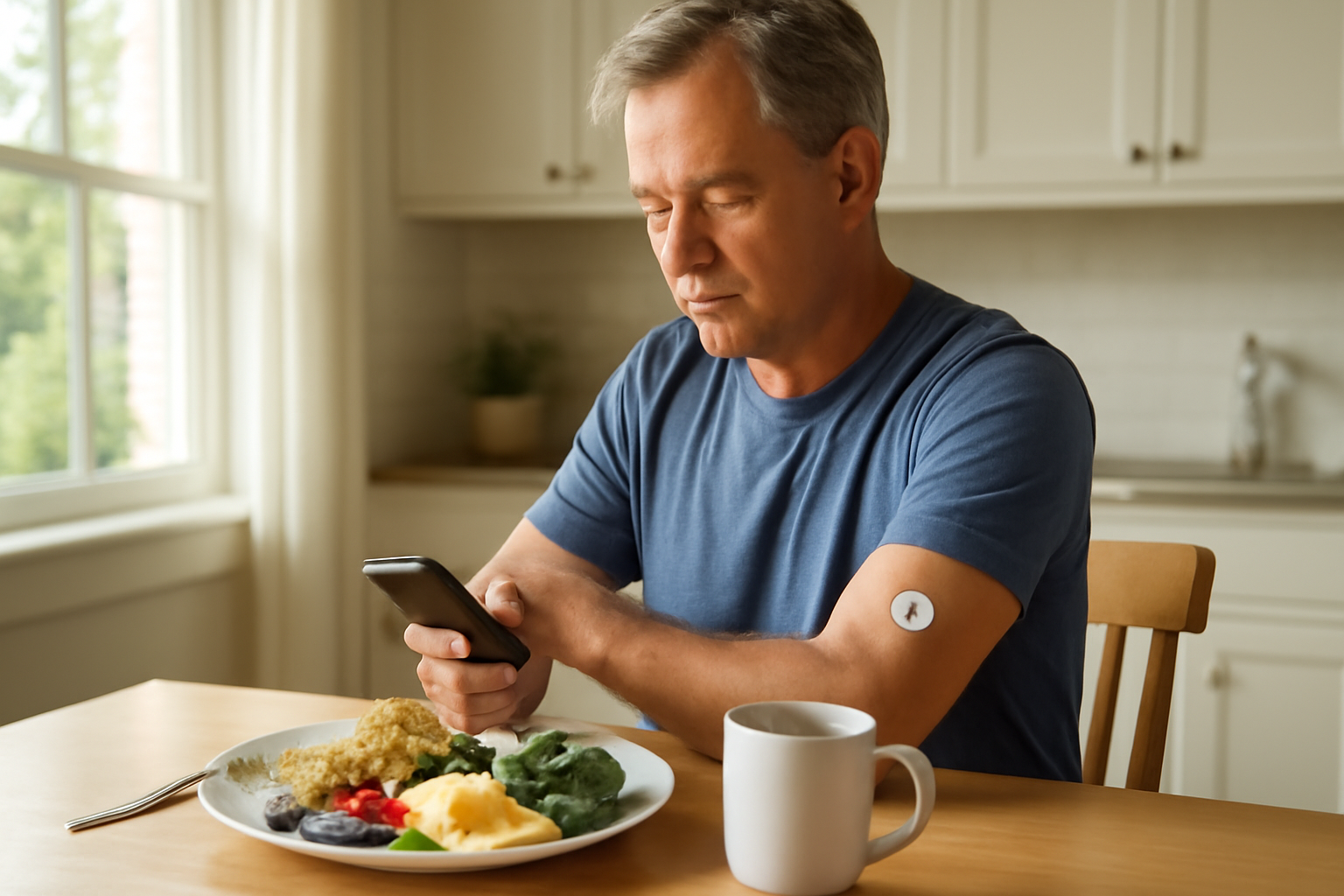
  • Blood Sugar Control: Complete Guide for Type 2 Diabetes

    Blood Sugar Control: Complete Guide for Type 2 Diabetes

    Blood Sugar Control: Complete Guide for Type 2 Diabetes

    Managing blood glucose isn’t just about numbers — it’s about protecting every organ in your body, one day at a time.

    Introduction

    When Marcus, 54, was first diagnosed with type 2 diabetes, his doctor handed him a glucose meter and told him to "check his levels." But no one explained what those numbers actually meant — or what was silently happening inside his body every time his blood sugar spiked after dinner.

    According to the CDC, more than 38 million Americans are living with diabetes, and type 2 diabetes accounts for approximately 90–95% of all cases. Even more alarming: the American Diabetes Association (ADA) estimates that 96 million American adults have prediabetes — and more than 80% of them don’t know it.

    If you’re managing type 2 diabetes or trying to prevent it, understanding blood sugar control is one of the most powerful steps you can take for your long-term health. In this guide, you’ll learn how blood glucose works, what causes dangerous spikes, how doctors diagnose and treat high blood sugar, and what practical strategies you can use every day to stay within a healthier range.


    What Is Blood Sugar Control — and Why Does It Matter?

    Blood sugar control, also called glycemic control, refers to how well your body regulates the amount of glucose (sugar) circulating in your bloodstream. In a healthy body, the hormone insulin — produced by the pancreas — acts like a key that unlocks your cells and allows glucose to enter and be used for energy.

    In type 2 diabetes, this system breaks down in two ways: your cells become resistant to insulin (a condition called insulin resistance), and over time, your pancreas may not produce enough insulin to compensate. The result is elevated blood glucose levels — a condition known as hyperglycemia.

    Why does this matter so much? Because chronically high blood sugar damages blood vessels and nerves throughout your entire body. Over time, poor glycemic control significantly raises your risk of:

    • Heart disease and stroke
    • Kidney disease (diabetic nephropathy)
    • Vision loss (diabetic retinopathy)
    • Nerve damage (diabetic neuropathy)
    • Slow-healing wounds and foot complications

    According to the NIH, adults with diabetes are two to three times more likely to have a heart attack or stroke compared to people without the condition. This is why blood sugar control isn’t just a number on a meter — it’s a matter of long-term survival and quality of life.


    Signs and Symptoms of Poor Blood Sugar Control

    Blood sugar issues don’t always feel dramatic. In fact, many people live with elevated glucose for years before receiving a diagnosis. Knowing what to look for can make a meaningful difference.

    Early Warning Signs

    • Frequent urination, especially at night (polyuria)
    • Unusual thirst that doesn’t go away (polydipsia)
    • Fatigue and low energy, particularly after meals
    • Blurry vision
    • Increased hunger even after eating (polyphagia)
    • Tingling or numbness in hands or feet
    • Slow-healing cuts or bruises

    Signs of More Advanced Glycemic Problems

    • Recurring infections (skin, urinary tract, gum infections)
    • Unexplained weight loss
    • Dark, velvety patches of skin on the neck or armpits (acanthosis nigricans) — a sign of insulin resistance
    • Erectile dysfunction in men
    • Severe headaches or difficulty concentrating

    A landmark study published in the journal Diabetes Care found that HbA1c levels — a key blood test measuring your average blood sugar over three months — above 8% were associated with significantly increased risk of microvascular complications. Many patients experience no noticeable symptoms even at these levels, which is exactly why regular testing is essential.


    Causes and Risk Factors for Poor Blood Sugar Control

    Understanding what drives blood sugar imbalance helps you and your care team make smarter decisions. The causes fall into three main categories.

    Biological and Genetic Factors

    • Family history of type 2 diabetes (first-degree relatives increase risk significantly)
    • Ethnicity — Black, Hispanic, Asian American, and Native American adults have higher rates of type 2 diabetes, according to the CDC
    • Age over 45
    • History of gestational diabetes
    • Polycystic ovary syndrome (PCOS)

    Lifestyle Factors

    • Physical inactivity — sedentary behavior strongly predicts insulin resistance
    • Diet high in refined carbohydrates and added sugars
    • Overweight or obesity, especially excess abdominal fat
    • Poor sleep quality or sleep apnea
    • Chronic stress, which raises cortisol levels and blood glucose
    • Smoking

    Medical and Medication-Related Factors

    • Certain medications, including corticosteroids, can raise blood sugar
    • Pancreatic conditions
    • Thyroid disorders
    • Inconsistent medication adherence in those already diagnosed

    The CDC reports that obesity is present in approximately 89% of adults with type 2 diabetes, making weight management one of the most impactful modifiable risk factors.


    Diagnosis: What to Expect from Your Doctor

    If your doctor suspects blood sugar issues, several reliable tests are available. Diagnosis is typically straightforward, and catching the problem early gives you the best chance for effective management.

    Key Diagnostic Tests

    Fasting Plasma Glucose (FPG): You fast for at least 8 hours before the blood draw. A result of 126 mg/dL or higher on two separate occasions indicates diabetes. Between 100–125 mg/dL suggests prediabetes.

    Hemoglobin A1c (HbA1c): This single test gives a snapshot of your average blood glucose over the past 2–3 months. An A1c of 6.5% or higher indicates diabetes; 5.7–6.4% suggests prediabetes.

    Oral Glucose Tolerance Test (OGTT): You drink a sugary solution, and your blood glucose is measured two hours later. Levels of 200 mg/dL or higher confirm diabetes.

    Random Plasma Glucose: A blood sample taken at any time; a result of 200 mg/dL or higher with diabetes symptoms may confirm a diagnosis.

    When to Seek Diagnosis

    The ADA recommends that all adults aged 35 and older be screened for prediabetes and type 2 diabetes, even without symptoms. If you have multiple risk factors — such as family history, overweight, or high blood pressure — your doctor may recommend earlier or more frequent testing. Don’t wait for symptoms to appear.


    Treatment Options for Blood Sugar Control

    Effective blood sugar management almost always involves a combination of approaches. Your treatment plan should be personalized — what works well for one person may need adjustment for another.

    Conventional Medical Treatments

    Oral Medications: Metformin remains the most commonly prescribed first-line medication for type 2 diabetes, according to the ADA. It works by reducing the amount of glucose your liver releases and improving insulin sensitivity. Other classes include SGLT2 inhibitors (which help kidneys remove excess glucose), GLP-1 receptor agonists (which slow digestion and reduce appetite), and DPP-4 inhibitors.

    Insulin Therapy: Not everyone with type 2 diabetes needs insulin, but it may become necessary if oral medications are insufficient. Clinical evidence indicates that starting insulin earlier — rather than waiting for complications — can significantly improve long-term outcomes for some patients.

    Continuous Glucose Monitors (CGMs): These wearable devices track blood sugar levels in real time throughout the day and night. Research published in the New England Journal of Medicine found that CGM use significantly improved HbA1c levels in adults with type 2 diabetes compared to standard fingerstick monitoring.

    Lifestyle Modifications as a Core Component

    Medical Nutrition Therapy: Working with a registered dietitian to create an individualized eating plan is considered a cornerstone of diabetes management by both the ADA and the CDC. Research suggests that reducing refined carbohydrates, increasing fiber intake, and choosing foods with a lower glycemic index can meaningfully improve blood glucose levels.

    Physical Activity: The ADA recommends at least 150 minutes per week of moderate-intensity aerobic exercise for adults with diabetes. Resistance training at least twice weekly is also recommended. Exercise helps your muscles use glucose without insulin, making it one of the most effective natural tools for glycemic control.

    Weight Management: Even modest weight loss — as little as 5–10% of body weight — can significantly improve insulin sensitivity and blood sugar levels, according to the NIH.


    Living With Diabetes: Daily Management and Prevention Strategies

    Managing blood sugar is a daily practice, not just a doctor’s appointment every few months. Building sustainable habits gives you more control and helps protect your health over the long term.

    Practical Day-to-Day Strategies

    • Monitor your blood sugar consistently: Whether using a CGM or a fingerstick meter, tracking your levels helps you identify patterns — like which foods cause spikes or how stress affects your readings.
    • Eat at regular intervals: Skipping meals can cause blood sugar swings. Spacing meals evenly throughout the day helps maintain more stable glucose levels.
    • Prioritize sleep: Poor sleep raises cortisol and disrupts insulin sensitivity. Most adults with diabetes benefit from 7–9 hours of quality sleep per night.
    • Manage stress actively: Chronic stress raises blood glucose. Techniques such as diaphragmatic breathing, mindfulness, and regular physical activity all have clinical support for stress reduction.
    • Check your feet daily: Neuropathy (nerve damage) can make foot injuries go unnoticed. Daily inspection is a standard recommendation from the ADA.

    Prevention: What the Evidence Shows

    For those with prediabetes, the CDC-recognized National Diabetes Prevention Program (DPP) has been shown to reduce the risk of developing type 2 diabetes by up to 58% in adults who completed the program. The DPP emphasizes modest weight loss and at least 150 minutes of weekly physical activity — achievable goals for most adults.

    For more foundational health information, explore our overview at VitalFlow Health to learn how we approach evidence-based wellness guidance.


    When to Call Your Doctor — and Emergency Red Flags

    Knowing the difference between a manageable blood sugar fluctuation and a medical emergency can save your life.

    Call Your Doctor If You Experience:

    • Blood sugar consistently above your target range (as set by your physician)
    • Frequent hypoglycemia (low blood sugar episodes below 70 mg/dL)
    • Unexplained weight changes
    • New or worsening numbness, tingling, or pain in your feet
    • Vision changes
    • Wounds or sores that aren’t healing

    Seek Emergency Care Immediately If You Notice:

    • Severe confusion or difficulty speaking
    • Loss of consciousness or unresponsiveness
    • Fruity-smelling breath combined with nausea and vomiting (possible sign of diabetic ketoacidosis — DKA)
    • Blood sugar above 300 mg/dL that does not respond to medication
    • Extreme shakiness, sweating, and confusion (severe hypoglycemia)
    • Chest pain or pressure

    DKA is a life-threatening emergency that requires immediate hospital treatment. Do not attempt to manage it at home.


    Frequently Asked Questions

    Q: What is a healthy blood sugar range for someone with type 2 diabetes?
    A: The ADA generally recommends a fasting blood glucose of 80–130 mg/dL and a blood glucose of less than 180 mg/dL two hours after meals, though your doctor may set individualized targets based on your overall health profile and age. This varies from person to person.

    Q: Can type 2 diabetes be reversed through diet and exercise?
    A: Research suggests that significant weight loss — often achieved through structured diet changes and increased physical activity — can lead to remission of type 2 diabetes in some individuals, meaning blood sugar returns to a normal range without medication. However, this is not a guaranteed outcome for everyone, and ongoing monitoring is still essential. Always work with your physician before making major changes to your treatment plan.

    Q: How often should I check my blood sugar at home?
    A: Monitoring frequency depends on your treatment plan, medication type, and overall control. Your doctor or diabetes educator is the best source for personalized guidance on how often to test and what targets to aim for.

    Q: Are there foods I should completely avoid with type 2 diabetes?
    A: Clinical evidence indicates that no single food is universally forbidden, but foods high in added sugars, refined carbohydrates, and trans fats tend to worsen glycemic control. A registered dietitian can help you build a sustainable eating plan that fits your preferences without overly restrictive rules.

    Q: What’s the difference between blood sugar and A1c?
    A: A blood sugar reading from your meter reflects your glucose level at a single moment in time. Your A1c test, done in a lab, measures the percentage of hemoglobin in your red blood cells that has glucose attached — giving your doctor a picture of your average blood sugar over the previous 2–3 months. Both measurements are important for managing diabetes effectively.


    Conclusion

    Blood sugar control is one of the most consequential aspects of managing type 2 diabetes — and one of the areas where you have the most power to make a real difference. From understanding what your A1c means to building consistent daily habits, every informed choice you make helps protect your heart, kidneys, vision, and overall quality of life.

    The science is clear: a combination of the right medications, a nutritious eating pattern, regular physical activity, and consistent monitoring can help millions of Americans live well with diabetes. You don’t have to navigate this alone.

    Work closely with your primary care physician, endocrinologist, and diabetes care team to build a plan that fits your life. Small, consistent steps add up to meaningful long-term results.

    For more evidence-based health and wellness guidance, visit VitalFlow Health and explore our growing library of trusted health content.


    Medical Disclaimer: This article is for informational and educational purposes only. It does not constitute medical advice, diagnosis, or treatment. Always consult your physician or a qualified healthcare provider before making changes to your health routine or treatment plan.

    Medically reviewed by our editorial health team. Content follows evidence-based standards aligned with CDC and NIH guidelines.