Low blood sugar isn’t just a problem for people on insulin — and knowing how to recognize and respond to it could save your life.
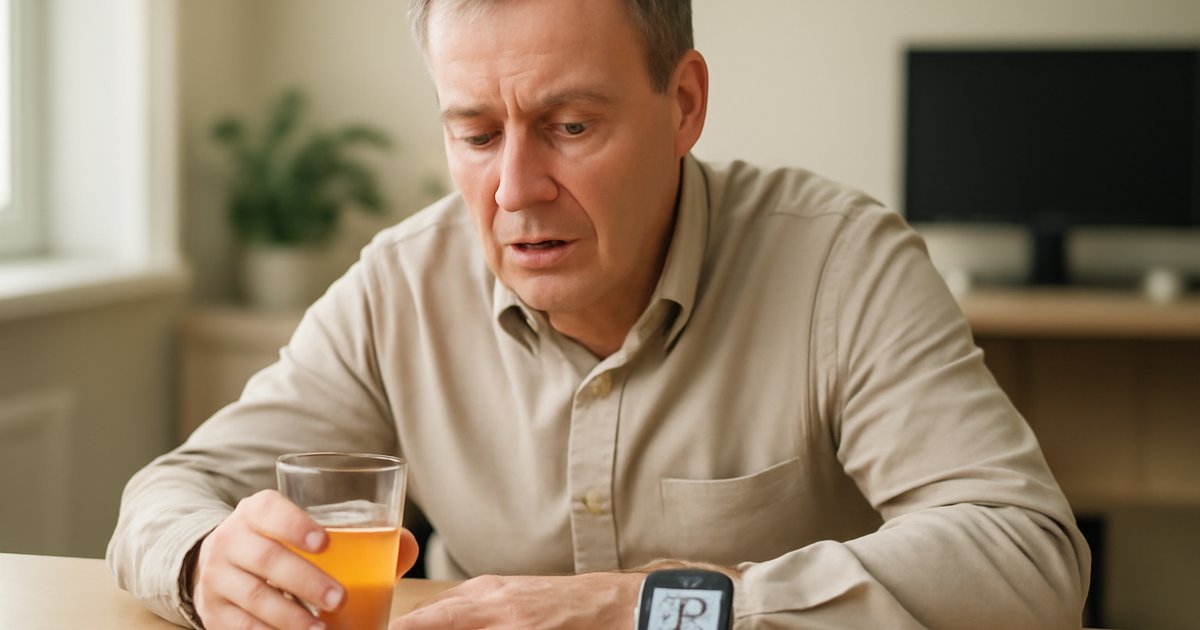
Mark, 54, had been managing his type 2 diabetes for six years with oral medications and a careful diet. One afternoon at work, he felt suddenly shaky, confused, and drenched in sweat. His coworkers thought he was having a panic attack. But what Mark was actually experiencing was hypoglycemia — dangerously low blood sugar — and he had no idea it could happen to him.
According to the Centers for Disease Control and Prevention (CDC), more than 38 million Americans live with diabetes, and hypoglycemia remains one of the most common and potentially dangerous complications of diabetes management. Yet many patients with type 2 diabetes believe low blood sugar is only a concern for those using insulin.
That misconception can be life-threatening.
In this guide, you’ll learn what hypoglycemia is, why it happens in type 2 diabetes, how to recognize the warning signs, and — most importantly — what to do when it strikes. You’ll also get practical strategies for preventing future episodes while keeping your blood sugar well-controlled.
What Is Hypoglycemia in Type 2 Diabetes?
Hypoglycemia — commonly called low blood sugar — occurs when your blood glucose drops below 70 mg/dL (milligrams per deciliter), according to the American Diabetes Association (ADA). At this level, your brain and muscles don’t receive enough glucose to function properly, triggering a cascade of physical and cognitive symptoms.
Glucose is your body’s primary fuel source. Under normal circumstances, your pancreas releases insulin to move glucose from your bloodstream into your cells. In type 2 diabetes, this system is impaired — but certain diabetes medications, particularly sulfonylureas and insulin therapy, can push blood sugar too low, especially when meals are skipped or physical activity is unexpectedly intense.
Hypoglycemia is classified by severity:
- Level 1 (mild): Blood glucose below 70 mg/dL but above 54 mg/dL — self-treatable
- Level 2 (clinically significant): Blood glucose below 54 mg/dL — requires prompt treatment
- Level 3 (severe): Any episode causing altered consciousness, seizure, or loss of consciousness — medical emergency
The NIH reports that severe hypoglycemic episodes are associated with increased risk of cardiovascular events, cognitive decline, and even death — underscoring why early recognition and prevention are critical components of effective diabetes management.
Signs and Symptoms of Low Blood Sugar
Hypoglycemia can come on quickly — sometimes within minutes. Recognizing the early warning signs gives you the best chance to treat it before it becomes severe.
Early warning signs (mild hypoglycemia):
- Shakiness or trembling in the hands
- Sudden sweating, even in cool environments
- Heart palpitations or racing pulse
- Pale or clammy skin
- Intense hunger
- Dizziness or lightheadedness
- Irritability or sudden mood changes
- Tingling or numbness around the lips
Signs of worsening or severe hypoglycemia:
- Confusion, difficulty concentrating, or slurred speech
- Blurred or double vision
- Extreme weakness
- Difficulty walking or coordinating movements
- Seizures
- Loss of consciousness
An important clinical finding: some people with longstanding type 2 diabetes develop a condition called hypoglycemia unawareness, where the body’s warning signals become blunted over time. A study published in Diabetes Care found that up to 25% of people with type 2 diabetes on insulin therapy experience impaired awareness of hypoglycemia — making blood glucose monitoring even more critical for this group.
This varies from person to person, and your awareness of symptoms may change as your diabetes progresses or as your medications are adjusted.
Causes and Risk Factors for Hypoglycemia in Type 2 Diabetes
Not every person with type 2 diabetes faces the same risk of hypoglycemia. Your risk depends heavily on which medications you take, your lifestyle habits, and underlying health factors.
Medication-related causes:
- Sulfonylureas (such as glipizide and glyburide) stimulate the pancreas to release insulin regardless of blood sugar levels — making hypoglycemia a known side effect
- Insulin therapy — increasingly used in type 2 diabetes — carries the highest hypoglycemia risk of any diabetes medication
- Meglitinides (such as repaglinide) also stimulate insulin release and can cause lows, especially if meals are skipped
Lifestyle and behavioral triggers:
- Skipping or delaying meals after taking glucose-lowering medication
- Eating less than usual (smaller portions or low-carbohydrate intake without medication adjustment)
- Unplanned or unusually intense physical activity
- Drinking alcohol, especially on an empty stomach
Health and physiological risk factors:
- Older age — the CDC notes that adults over 65 with diabetes have significantly higher rates of hypoglycemia-related emergency department visits
- Kidney disease, which slows medication clearance from the body
- Liver disease, which impairs glucose production
- Recent illness or reduced appetite
- History of prior severe hypoglycemic episodes
Research from the Cleveland Clinic suggests that patients with type 2 diabetes who are older, have longer disease duration, or have chronic kidney disease are at substantially elevated risk for medication-induced low blood sugar episodes.
Diagnosis: What to Expect
If you suspect you’ve had hypoglycemic episodes, your doctor will want to investigate the pattern, severity, and likely cause. Here’s what a diagnostic workup typically involves:
Blood glucose testing: The most direct way to confirm hypoglycemia is a blood glucose reading below 70 mg/dL at the time of symptoms. If you use a continuous glucose monitor (CGM) or check your blood sugar frequently with a fingerstick meter, bring that data to your appointment — it’s invaluable.
Reviewing your medication regimen: Your physician will assess whether your current medications — particularly sulfonylureas or insulin — are appropriate for your current weight, kidney function, and lifestyle habits.
Hemoglobin A1c: An A1c level that is very low (below 6.5%) in a person on glucose-lowering medications may suggest your treatment is too aggressive, putting you at higher hypoglycemia risk.
Kidney and liver function tests: Because both organs affect how your body processes diabetes medications, your doctor may order a comprehensive metabolic panel.
The ADA recommends that all patients with type 2 diabetes who use insulin or sulfonylureas discuss hypoglycemia risk, self-monitoring strategies, and emergency action plans with their healthcare team at every visit. If you haven’t had this conversation, request it at your next appointment.
Treatment Options: What to Do When Blood Sugar Drops
Acting quickly during a hypoglycemic episode is essential. Most healthcare providers recommend the Rule of 15 for mild to moderate episodes:
- Consume 15 grams of fast-acting carbohydrates immediately
- Wait 15 minutes, then recheck your blood sugar
- If it’s still below 70 mg/dL, repeat the process
- Once your blood sugar returns to normal, eat a small snack with protein and complex carbohydrates if your next meal is more than an hour away
Good sources of 15 grams of fast-acting carbohydrates include:
- 4 glucose tablets (follow label instructions)
- 4 ounces (half a cup) of orange juice or regular (not diet) soda
- 1 tablespoon of honey or sugar
- A small tube of glucose gel
Avoid high-fat foods like peanut butter or chocolate bars during a hypoglycemic episode — fat slows glucose absorption and delays recovery.
For severe hypoglycemia (unconscious or unable to swallow):
A glucagon emergency kit or nasal glucagon spray should be administered by a family member or bystander, and 911 should be called immediately. The FDA has approved several glucagon delivery options, including easy-to-use nasal sprays, which your doctor can prescribe for emergencies.
Medication adjustments: If you’re experiencing frequent low blood sugar episodes, your doctor may reduce your medication dose, switch you to a lower-risk medication class (such as metformin, GLP-1 receptor agonists, or SGLT-2 inhibitors — which have very low hypoglycemia risk on their own), or modify your insulin regimen. For related information on your medication options, see our guide on Diabetes Medications: A Complete Guide to Your Options.
Living With Type 2 Diabetes: Preventing Hypoglycemia Long-Term
Prevention is the most effective long-term strategy. Clinical evidence from the NIH and ADA supports these practical approaches:
Eat consistent, balanced meals: Never skip meals when you’re taking medications that lower blood sugar. Work with a registered dietitian to build a meal plan that keeps your glucose levels stable throughout the day. If you’re curious about structured eating approaches, our article on Type 2 Diabetes Meal Planning offers evidence-based guidance.
Adjust for physical activity: Exercise can lower blood sugar for hours afterward. The ADA recommends checking your glucose before, during, and after vigorous exercise — and adjusting your carbohydrate intake or medication timing accordingly with your doctor’s input.
Limit alcohol consumption: Alcohol blocks your liver’s ability to release glucose into the bloodstream. If you drink, always do so with food, and be aware that blood sugar can drop several hours after drinking.
Monitor blood glucose regularly: Knowing your patterns — when you tend to go low and what triggers it — is foundational to prevention. Continuous glucose monitors (CGMs) have made this dramatically easier. For a deeper look at monitoring strategies, visit our guide on Insulin Resistance: Signs, Causes and How to Manage.
Educate people around you: Family members, close friends, and coworkers should know the signs of severe hypoglycemia and how to administer glucagon if needed. The ADA strongly recommends that every person at risk for severe hypoglycemia have a glucagon kit available and that people in their household know how to use it.
Wear medical ID: A medical alert bracelet identifying you as a person with diabetes can help emergency responders provide faster, more accurate care if you lose consciousness.
Talk to your doctor about a CGM: Research published in the New England Journal of Medicine found that CGM use significantly reduced hypoglycemic events in adults with type 2 diabetes on insulin therapy — a benefit that has led many endocrinologists to recommend CGMs for high-risk patients.
When to Call Your Doctor or Seek Emergency Care
Some situations require immediate medical attention — don’t wait to see if symptoms resolve on their own.
Call 911 immediately if:
- Someone with diabetes loses consciousness
- A person is having a seizure
- The person is too confused or disoriented to swallow safely
- Symptoms do not improve after two rounds of the Rule of 15
Call your doctor or go to urgent care if:
- You had a low blood sugar episode and aren’t sure why
- You’ve had more than one episode in a week
- You’re no longer feeling warning symptoms before your blood sugar drops
- You woke up with unexplained symptoms of hypoglycemia (nocturnal hypoglycemia)
What to tell your doctor at your next visit:
- The date, time, and circumstances of any low blood sugar episodes
- What you ate and when you took your medication
- Your blood glucose readings (bring your meter or download your CGM data)
- Any changes in your exercise routine, diet, or other medications
Frequently Asked Questions
Can metformin cause low blood sugar?
Metformin alone very rarely causes hypoglycemia because it works by reducing the amount of glucose your liver releases — it doesn’t directly stimulate insulin production. However, if you take metformin in combination with a sulfonylurea or insulin, the risk increases. Always discuss your full medication list with your doctor.
What is nocturnal hypoglycemia, and how do I know if I’m experiencing it?
Nocturnal hypoglycemia refers to low blood sugar that occurs during sleep. Warning signs include waking up with a headache, sweating through your sheets, vivid nightmares, or feeling unusually exhausted in the morning. If you suspect it, ask your doctor about checking your blood sugar at 2 or 3 a.m. or using a CGM to monitor overnight patterns.
Is it possible to have hypoglycemia if I’m not taking diabetes medication?
Reactive hypoglycemia — a drop in blood sugar that occurs a few hours after eating — can occasionally affect people without diabetes. However, frequent low blood sugar episodes in someone not on diabetes medication warrant a thorough medical evaluation to rule out other underlying conditions. This is not something to self-diagnose or self-treat.
Can I drive if I’ve had a recent hypoglycemic episode?
Clinical guidelines from the ADA recommend checking your blood sugar before driving if you use insulin or a sulfonylurea. If it’s below 90 mg/dL, eat a snack and recheck before getting behind the wheel. After a severe hypoglycemic episode, most physicians advise waiting until you feel fully alert and your blood sugar has been stable for at least 30-45 minutes.
How does alcohol cause low blood sugar?
Your liver plays a key role in maintaining blood glucose by releasing stored glucose when levels drop. Alcohol temporarily impairs this function, meaning your liver cannot mount its normal protective response during a low. The risk is highest when alcohol is consumed without food and can persist for several hours after drinking stops — including overnight.
Conclusion
Hypoglycemia is a manageable — but never trivial — complication of type 2 diabetes. Understanding why it happens, learning to recognize the early warning signs, and knowing exactly how to respond are skills that can make an enormous difference in your safety and quality of life.
You don’t have to live in fear of low blood sugar. With the right medication regimen, consistent eating habits, smart monitoring strategies, and an open conversation with your healthcare provider, most people with type 2 diabetes can dramatically reduce their hypoglycemia risk while still achieving excellent blood sugar control.
Take this guide to your next appointment. Share it with the people in your life. And remember — the most powerful tool in your diabetes management toolkit is a well-informed, proactive partnership with your medical team.
Medical Disclaimer: This article is for informational and educational purposes only. It does not constitute medical advice, diagnosis, or treatment. Always consult your physician or a qualified healthcare provider before making changes to your health routine or treatment plan.
Medically reviewed by our editorial health team. Content follows evidence-based standards aligned with CDC and NIH guidelines.