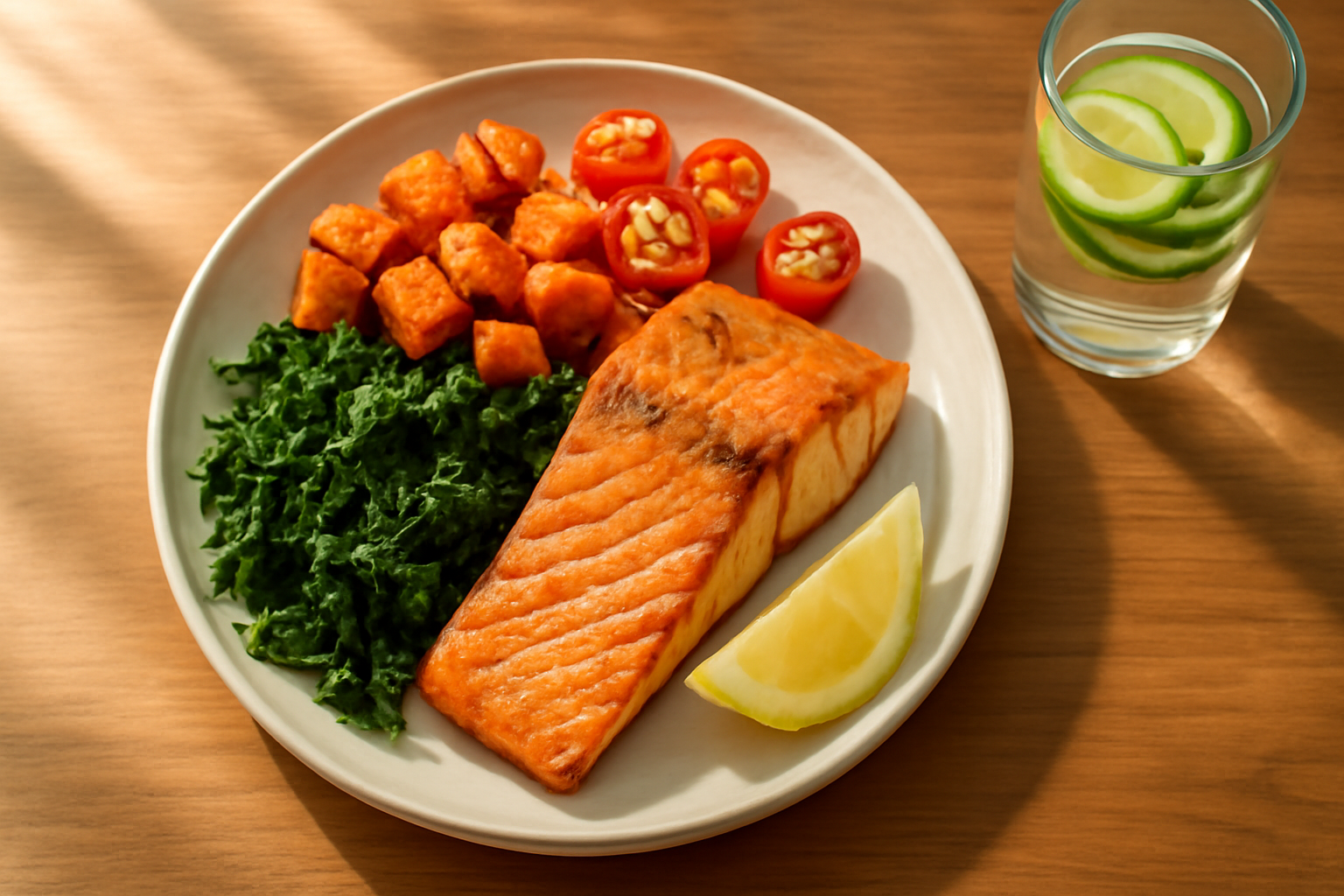
The right meal plan can be the most powerful tool in your diabetes management — more predictable than you might think.
Marcus, 54, was diagnosed with type 2 diabetes three years ago. His doctor prescribed metformin and handed him a pamphlet about diet. For months, Marcus felt overwhelmed — unsure what to eat, when to eat, or why his blood sugar spiked even after meals he thought were "healthy." He wasn’t alone. According to the CDC, more than 38 million Americans are currently living with diabetes, and nearly 90–95% of those cases are type 2. Yet research consistently shows that structured meal planning is one of the most underused and most effective strategies for managing blood sugar levels long-term.
This guide is designed to cut through the confusion. Whether you’ve been recently diagnosed or have been managing type 2 diabetes for years, you’ll find clinically grounded, practical meal planning strategies that work alongside — not against — your medical treatment plan.
What Is Type 2 Diabetes and Why Does Diet Matter So Much?
Type 2 diabetes is a chronic metabolic condition in which your body either doesn’t produce enough insulin — the hormone that helps cells absorb glucose (sugar) from the bloodstream — or doesn’t use it effectively, a state called insulin resistance. The result: blood sugar stays elevated, causing damage to blood vessels, nerves, and organs over time.
According to the American Diabetes Association (ADA), the foods you eat have a direct and immediate impact on blood glucose levels. Carbohydrates, in particular, are broken down into glucose during digestion, which is why meal composition — not just calorie count — is central to diabetes management.
A 2023 meta-analysis published in the journal Diabetes Care found that structured dietary interventions reduced HbA1c (a measure of average blood sugar over three months) by an average of 0.5% to 2%, a clinically meaningful reduction that can significantly lower the risk of diabetes-related complications.
The right meal plan doesn’t mean eating bland food or going hungry. It means understanding how different foods affect your blood sugar — and building eating habits you can sustain for life.
Understanding Carbohydrates: Your Most Important Nutrient to Manage
Not all carbohydrates are created equal. For people with type 2 diabetes, understanding the difference between fast-digesting and slow-digesting carbs is foundational to blood sugar management.
Simple carbohydrates — found in white bread, sugary drinks, white rice, and candy — are digested quickly and cause rapid spikes in blood sugar. Complex carbohydrates — found in whole grains, legumes, non-starchy vegetables, and most fruits — digest more slowly and produce a more gradual rise in blood glucose.
The glycemic index (GI) is a tool used by clinicians and dietitians to rank carbohydrates by how quickly they raise blood sugar. Foods with a lower GI (55 or below) are generally preferred for people managing diabetes. Examples include:
- Steel-cut oats (GI ~55)
- Sweet potatoes (GI ~44)
- Lentils (GI ~32)
- Most non-starchy vegetables (GI <15)
- Berries such as strawberries and blueberries (GI ~40)
However, glycemic load — which accounts for both the GI and the amount consumed — is often considered more clinically relevant. Even a low-GI food can spike blood sugar if eaten in large portions. This is why portion control remains a cornerstone of any diabetes meal plan.
The NIH’s National Institute of Diabetes and Digestive and Kidney Diseases recommends working with a registered dietitian to determine your individual carbohydrate target, which varies based on age, weight, activity level, and current medications.
The Best Eating Patterns for Type 2 Diabetes
There is no single "diabetic diet" — and that’s actually good news. Research supports several eating patterns that can effectively lower blood sugar and improve insulin sensitivity. Your best choice depends on your personal preferences, health goals, and lifestyle.
The Mediterranean Diet
Consistently ranked among the most evidence-supported diets for metabolic health, the Mediterranean diet emphasizes olive oil, fish, legumes, whole grains, fruits, and vegetables, with limited red meat and processed foods. A 2020 review in Nutrients found that Mediterranean-style eating was associated with significantly lower HbA1c values and reduced cardiovascular risk — particularly important since people with diabetes are 2 to 4 times more likely to develop heart disease, according to the ADA.
Low-Carbohydrate Diet
Clinical evidence indicates that reducing total carbohydrate intake — typically to 50–130 grams per day for a moderate low-carb approach — can produce meaningful reductions in blood sugar and may allow some patients to reduce diabetes medications under physician supervision. The ADA recognizes low-carbohydrate eating as a valid and effective approach for many adults with type 2 diabetes.
This approach is not appropriate for everyone. People on certain medications such as SGLT-2 inhibitors may need careful monitoring if carbohydrate intake is significantly reduced. Always consult your doctor before making major dietary changes.
The DASH Diet
Originally designed to manage hypertension, the DASH (Dietary Approaches to Stop Hypertension) diet also benefits blood sugar control. It emphasizes fruits, vegetables, whole grains, and low-fat dairy while limiting sodium, saturated fats, and added sugars — a particularly useful approach since hypertension affects approximately 73% of adults with diabetes, according to the CDC.
Plant-Based Eating
Research suggests that plant-forward diets — which prioritize vegetables, legumes, whole grains, nuts, and seeds — are associated with improved insulin sensitivity and lower fasting blood glucose. This doesn’t require full vegetarianism; even shifting toward mostly plant-based meals several days a week shows measurable benefits in clinical studies.
Building Your Plate: The Diabetes Plate Method
If formal meal plans feel overwhelming, the Diabetes Plate Method — endorsed by the ADA — offers an intuitive, no-math-required approach to balanced eating at every meal.
Here’s how it works using a standard 9-inch dinner plate:
- Fill half your plate with non-starchy vegetables: salad greens, broccoli, cauliflower, zucchini, peppers, green beans, tomatoes, mushrooms
- Fill one quarter with lean protein: chicken breast, fish, tofu, eggs, cottage cheese, legumes
- Fill one quarter with quality carbohydrates: brown rice, quinoa, whole grain bread, sweet potato, corn, peas, beans
- Add a small serving of healthy fat: avocado, olive oil, a handful of nuts
- Choose water, unsweetened tea, or black coffee as your beverage
This method naturally reduces refined carbohydrate portions without requiring calorie counting, and it keeps protein and fiber intake high — both of which slow glucose absorption and increase satiety.
For individuals also managing weight — a major factor in type 2 diabetes — this approach pairs well with strategies outlined in resources like Weight Loss After 40: What Actually Works, which covers metabolic considerations specific to midlife adults.
Meal Timing and Frequency: Does It Matter?
Emerging research suggests that when you eat may matter almost as much as what you eat when it comes to blood sugar regulation.
Skipping meals — particularly breakfast — has been linked to higher blood sugar fluctuations and increased insulin resistance in some studies. Eating at consistent times each day helps regulate the body’s internal clock and keeps glucose levels more stable between meals.
For many people with type 2 diabetes, eating three balanced meals at regular intervals — rather than grazing continuously or eating one or two very large meals — supports more stable glycemic patterns. Snacking between meals is not universally recommended; your need for snacks depends on your medications, activity level, and individual blood sugar responses.
Time-restricted eating (TRE) — a form of intermittent fasting where eating is limited to a specific window such as 8–10 hours per day — has shown promise in some clinical trials for improving insulin sensitivity and HbA1c. However, this approach is not safe for everyone with diabetes, particularly those taking insulin or sulfonylureas, due to the risk of hypoglycemia (dangerously low blood sugar). Always discuss fasting-based approaches with your physician before trying them.
Foods to Prioritize and Foods to Limit
While no food is completely off-limits in most diabetes management plans, some foods consistently support better blood sugar control while others consistently work against it.
Prioritize These Foods
- Non-starchy vegetables: leafy greens, broccoli, cucumber, celery, bell peppers
- Fatty fish: salmon, sardines, mackerel (rich in omega-3 fatty acids that support heart health)
- Legumes: lentils, chickpeas, black beans, kidney beans
- Whole grains: quinoa, barley, oats, farro, whole wheat
- Nuts and seeds: almonds, walnuts, chia seeds, flaxseed
- Berries: blueberries, raspberries, strawberries (lower sugar, high in fiber and antioxidants)
- Healthy oils: extra virgin olive oil, avocado oil
Limit or Avoid These Foods
- Sugary beverages: sodas, fruit juices, sweetened coffee drinks, energy drinks
- Refined grains: white bread, white pasta, white rice, most crackers
- Processed snack foods: chips, cookies, pastries, packaged cereals with added sugar
- Trans fats and heavily processed meats: hot dogs, deli meats, bacon in large quantities
- Alcohol: this varies from person to person — discuss with your doctor, as alcohol can cause unpredictable blood sugar changes, especially with certain medications
Managing blood sugar through food also works best when combined with consistent physical activity and, when prescribed, proper medication adherence. Understanding the full picture of complications — including how prolonged high blood sugar affects the nervous system — is covered in detail in our guide to Diabetic Neuropathy: Symptoms, Causes & Management.
Reading Food Labels: A Practical Skill for Everyday Life
One of the most practical skills for anyone managing type 2 diabetes is learning to read nutrition labels quickly and accurately. The FDA updated the Nutrition Facts label format in recent years to make added sugars more visible — a significant improvement for people monitoring carbohydrate intake.
Key items to check on any label:
- Total carbohydrates per serving — includes starches, fiber, and sugars
- Dietary fiber — fiber is not digested like other carbs and has a minimal effect on blood sugar; subtract half the fiber grams from total carbs to estimate "net carbs"
- Added sugars — these raise blood glucose without providing nutritional value
- Serving size — the most commonly misread part of any label; always multiply values by the number of servings you actually consume
When to Call Your Doctor: Red Flags and Key Checkpoints
Dietary changes — even positive ones — can have real effects on blood sugar and medication requirements. Knowing when to reach out to your healthcare provider is essential.
Contact your doctor promptly if you experience:
- Blood sugar readings consistently above 300 mg/dL or below 70 mg/dL
- Symptoms of hypoglycemia (shakiness, sweating, confusion, dizziness) — especially after changing your eating pattern
- Sudden, unexplained weight loss
- Increased thirst, frequent urination, or extreme fatigue that worsens despite dietary changes
Seek emergency care immediately if you experience:
- Severe confusion, loss of consciousness, or inability to swallow
- Signs of diabetic ketoacidosis (DKA): fruity breath, rapid breathing, vomiting
- Chest pain, difficulty breathing, or sudden weakness (possible cardiovascular event)
At your next scheduled appointment, ask your doctor about:
- Referral to a registered dietitian or certified diabetes care and education specialist (CDCES)
- Whether your current meal plan affects your medication dosing
- Your target HbA1c range and how diet changes are impacting your results
- Using a continuous glucose monitor (CGM) to see how specific foods affect your personal blood sugar response
Understanding how metabolic factors influence your body’s response to food and weight is also worth exploring. Our article on Metabolic Weight Loss: How Your Metabolism Affects Fat Loss provides additional context for those managing weight alongside diabetes.
Frequently Asked Questions
Can I eat fruit if I have type 2 diabetes?
Yes — most fruits can be part of a healthy diabetes meal plan. Whole fruits contain fiber, which slows sugar absorption. Berries, apples, pears, and citrus fruits tend to have lower glycemic impacts. Fruit juice, however, lacks fiber and can spike blood sugar rapidly, so whole fruit is always the better choice. Portion size still matters — a medium apple is a reasonable serving; three apples at once is not.
Is a low-carb or keto diet safe for people with diabetes?
For many adults with type 2 diabetes, clinical evidence indicates that low-carbohydrate diets can be safe and effective for blood sugar control. However, people on insulin or certain oral medications may need dosage adjustments when carbohydrate intake drops significantly. A very low-carb or ketogenic approach should always be undertaken with physician oversight — not as a self-directed experiment.
How much should I eat at each meal?
This varies from person to person depending on body weight, activity level, medications, and individual metabolism. Rather than providing a universal calorie target, most diabetes specialists focus on the quality and balance of each meal — emphasizing protein, fiber, and healthy fats while moderating total carbohydrate load. A registered dietitian can help you determine specific portion targets for your situation.
Do I need to count carbs at every meal?
Not necessarily. Carbohydrate counting is a useful skill — especially for those on insulin — but it isn’t the only way to manage blood sugar through diet. The Diabetes Plate Method and Mediterranean-style eating provide structure without requiring math at every meal. Discuss the best approach with your care team based on your specific treatment plan.
What’s the best drink for someone with type 2 diabetes?
Water is the gold standard. Unsweetened tea (green or black), plain sparkling water, and black coffee are also generally well tolerated and have minimal effect on blood glucose. Sugary drinks — including 100% fruit juice — should be significantly limited. Artificially sweetened beverages are sometimes used as a short-term substitute, but research on their long-term effects on blood sugar regulation is mixed, and most clinicians recommend using them sparingly rather than freely.
Your Next Step Starts at the Next Meal
Managing type 2 diabetes through smart meal planning isn’t about restriction — it’s about informed choices. The evidence is clear: what you eat, how much you eat, and when you eat can meaningfully reduce blood sugar levels, lower HbA1c, reduce medication burden in some cases, and improve your overall quality of life.
You don’t need to overhaul your diet overnight. Start with one change — swap white rice for quinoa, add a serving of non-starchy vegetables to dinner, or replace a sugary drink with sparkling water. Small, consistent changes made with professional guidance are more sustainable than dramatic short-term approaches.
Work closely with your physician and, if possible, a registered dietitian or certified diabetes care specialist. Together, you can build a meal plan that fits your life — not the other way around.
Medical Disclaimer: This article is for informational and educational purposes only. It does not constitute medical advice, diagnosis, or treatment. Always consult your physician or a qualified healthcare provider before making changes to your health routine or treatment plan.
Medically reviewed by our editorial health team. Content follows evidence-based standards aligned with CDC, NIH, ADA, and FDA guidelines.