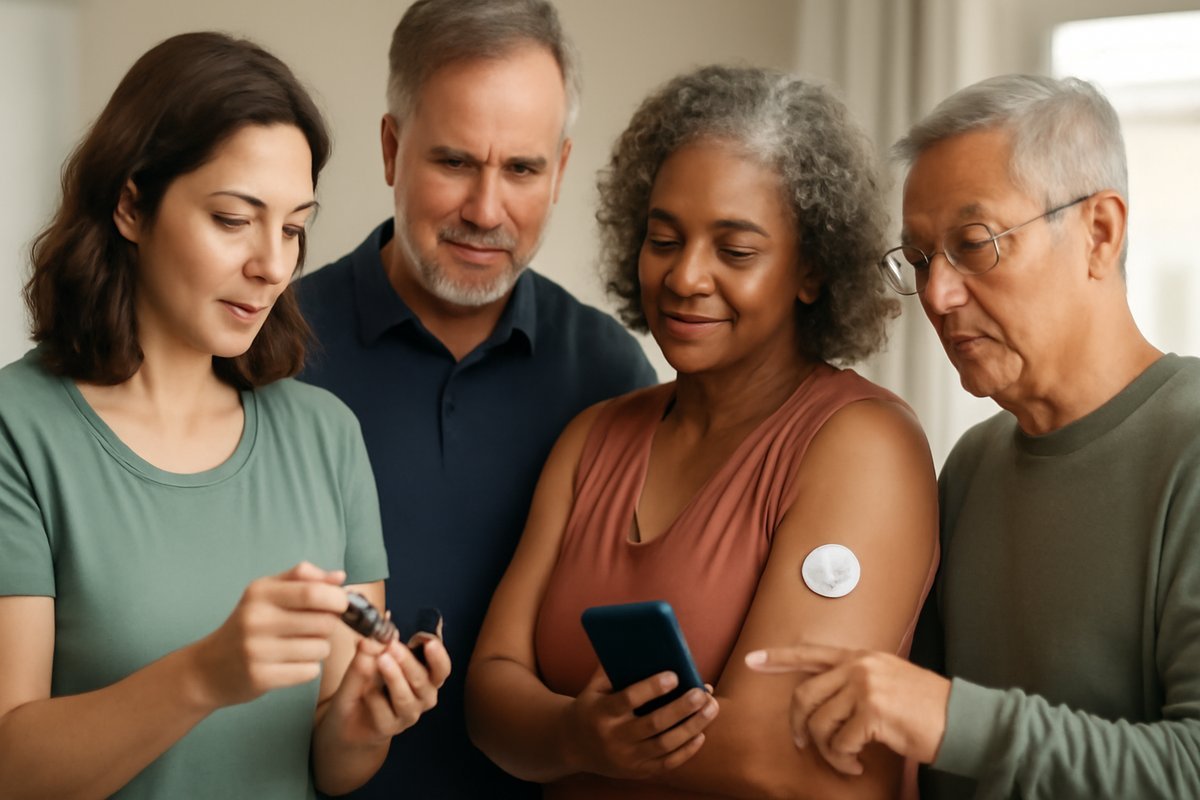
Blood Glucose Monitoring: Your Key to Diabetes Control
Regular blood glucose monitoring is not just a suggestion; it’s a cornerstone of effective diabetes management.
Living with diabetes in the United States affects millions of lives. According to the Centers for Disease Control and Prevention (CDC), over 38 million Americans – roughly 1 in 10 – have diabetes, and a staggering 1 in 5 don’t even know they have it. Managing this chronic condition often feels like a constant balancing act, navigating diet, exercise, medication, and lifestyle.
One of the most critical tools in this management journey is consistent blood glucose monitoring. It provides real-time insights into how your body processes sugar, allowing you and your healthcare team to make informed decisions.
This comprehensive guide will demystify blood glucose monitoring, explaining its importance, the various methods available, how to interpret your readings, and when these numbers signal a need for medical attention. Understanding your blood glucose levels is a powerful step toward taking control of your diabetes and fostering a healthier future.
What Is Blood Glucose Monitoring?
Blood glucose monitoring refers to the process of measuring the amount of glucose, or sugar, in your blood at a specific point in time. Glucose is your body’s primary source of energy, derived from the foods you eat.
For individuals with diabetes, the body either doesn’t produce enough insulin (Type 1 diabetes) or doesn’t effectively use the insulin it produces (Type 2 diabetes). Insulin is the hormone responsible for allowing glucose to enter your cells for energy.
Without proper insulin function, glucose accumulates in the bloodstream, leading to elevated blood sugar levels. Regular monitoring helps to track these levels, identifying patterns and informing treatment adjustments to keep blood sugar within a target range.
The prevalence of diabetes in the U.S. underscores the necessity of effective management strategies. The National Institutes of Health (NIH) highlights that sustained high blood glucose can lead to severe long-term complications, affecting the heart, kidneys, eyes, and nerves.
Why Is Blood Glucose Monitoring So Important?
Blood glucose monitoring serves as your personal report card, offering immediate feedback on how your daily choices impact your health. It provides a window into your body’s response to food, physical activity, stress, and medications.
For instance, monitoring can help you understand which foods cause spikes in your blood sugar or how a brisk walk can help lower it. This personalized data is invaluable for fine-tuning your diabetes management plan.
Benefits of Consistent Monitoring:
- Guides Treatment Decisions: Your readings provide essential information for your doctor to adjust medication dosages or recommend lifestyle changes.
- Prevents Complications: By identifying and addressing high blood sugar levels promptly, you can significantly reduce the risk of long-term complications like heart disease, kidney disease, nerve damage, and vision problems.
- Identifies Patterns: Tracking your glucose levels over time helps reveal patterns, such as morning highs or post-meal spikes, allowing for targeted interventions.
- Empowers Self-Management: Understanding your numbers empowers you to make daily choices that support your health, fostering a sense of control over your condition.
- Detects Hypoglycemia and Hyperglycemia: Regular checks can alert you to dangerously low (hypoglycemia) or high (hyperglycemia) blood sugar levels, preventing potential emergencies.
A landmark study, the Diabetes Control and Complications Trial (DCCT), demonstrated that intensive management of blood glucose levels significantly reduced the development and progression of long-term complications in individuals with Type 1 diabetes. Similar findings were observed in the UK Prospective Diabetes Study (UKPDS) for Type 2 diabetes, emphasizing the critical role of tight glucose control.
Methods of Blood Glucose Monitoring
Today, you have several effective ways to monitor your blood glucose, each with its own advantages. The best method for you will depend on your type of diabetes, treatment plan, lifestyle, and preferences, typically decided in consultation with your healthcare provider.
1. Self-Monitoring Blood Glucose (SMBG) – Finger-Prick Tests
This is the traditional and most common method for most people with diabetes. It involves using a small, portable device called a blood glucose meter.
- How it works: You prick your fingertip with a small needle (lancet) to get a drop of blood, which is then placed on a disposable test strip inserted into the meter. The meter provides a reading in a few seconds.
- When to test: Your doctor will provide specific guidance, but common times include before meals, two hours after meals, at bedtime, before and after exercise, or when you feel symptoms of low or high blood sugar.
- Pros: Widely available, relatively inexpensive, provides immediate snapshot data, and is essential for quick decision-making in many situations.
- Cons: Can be painful for some, only shows glucose at a single moment, doesn’t reveal trends or overnight fluctuations without frequent testing.
2. Continuous Glucose Monitoring (CGM)
Continuous Glucose Monitoring (CGM) systems offer a more comprehensive view of your glucose levels by tracking them throughout the day and night. This technology has revolutionized diabetes management for many.
- How it works: A small sensor is inserted just under the skin (usually on the arm or abdomen) and continuously measures glucose levels in the interstitial fluid – the fluid surrounding your cells. The sensor transmits data wirelessly to a receiver, smartphone app, or insulin pump.
- Types of CGM:
- Real-time CGM (rtCGM): Provides readings every few minutes and can alert you to high or low glucose levels.
- Intermittently Scanned CGM (isCGM or “flash glucose monitoring”): Requires you to actively scan the sensor with a receiver or smartphone to get a reading, but it also stores 8 hours of data.
- Pros: Provides a complete picture of glucose trends, alerts for out-of-range levels, reduces finger pricks, can help identify “time in range,” and offers valuable data for optimizing treatment. Research published by the American Diabetes Association has consistently shown that CGM use can significantly lower HbA1c levels and reduce hypoglycemic events.
- Cons: More expensive than SMBG, requires sensor replacement every 7-14 days, can be less accurate than blood tests in certain situations (e.g., rapidly changing glucose levels), and some people find the sensor insertion uncomfortable.
Understanding Your Blood Glucose Readings
Knowing your numbers is only half the battle; understanding what they mean is crucial. Your healthcare team will provide personalized target ranges, but general guidelines exist.
Typical Target Ranges (for non-pregnant adults with diabetes):
- Fasting Blood Glucose (before eating): 80-130 mg/dL (4.4-7.2 mmol/L)
- Post-meal Blood Glucose (1-2 hours after starting a meal): Less than 180 mg/dL (10.0 mmol/L)
- A1C (Glycated Hemoglobin): Less than 7% (some individuals may have different targets)
It’s important to remember that these are general targets; your specific goals may vary based on your age, other health conditions, and duration of diabetes. Always discuss your individual targets with your doctor.
Hypoglycemia (Low Blood Sugar)
This occurs when your blood glucose drops below 70 mg/dL (3.9 mmol/L). It can be dangerous if not treated promptly.
- Signs and Symptoms: Shakiness, dizziness, sweating, hunger, rapid heartbeat, confusion, irritability, anxiety, weakness, blurred vision. Severe hypoglycemia can lead to seizures or loss of consciousness.
- What to do: Follow the “15-15 Rule.” Consume 15 grams of fast-acting carbohydrates (e.g., 4 oz fruit juice, regular soda, 5-6 hard candies, glucose tablets). Wait 15 minutes, then recheck your blood sugar. If it’s still below 70 mg/dL, repeat the process.
Hyperglycemia (High Blood Sugar)
This occurs when your blood glucose rises above your target range, typically above 180 mg/dL (10.0 mmol/L).
- Signs and Symptoms: Increased thirst, frequent urination, headache, blurred vision, fatigue, dry mouth. If high for prolonged periods, it can lead to more severe symptoms like nausea, vomiting, shortness of breath, and fruity-smelling breath (signs of diabetic ketoacidosis, or DKA).
- What to do: Check for patterns – did you eat more carbs than usual? Miss a dose of medication? Are you sick or stressed? Drink water, engage in light physical activity (if safe and not extremely high), and follow your doctor’s instructions for corrective insulin or medication.
Advanced Monitoring: Interpreting Data and Trends
Beyond individual readings, the true power of blood glucose monitoring lies in recognizing patterns and trends. This is where CGM systems particularly shine, providing continuous data points that reveal how your glucose levels fluctuate throughout the day and night.
Tracking your data over time allows you and your healthcare provider to identify factors that consistently raise or lower your blood sugar. Are your mornings always high (“dawn phenomenon”)? Do certain foods consistently cause a post-meal spike? Is your blood sugar dropping too low overnight (Somogyi effect)?
Many glucose meters and CGM systems come with apps and software that can download, store, and display your data in easy-to-understand graphs and charts. These tools can highlight “time in range” – the percentage of time your glucose levels spend within your target range – which is increasingly recognized as a vital metric for overall diabetes management by organizations like the American Diabetes Association.
Sharing these detailed reports with your doctor and diabetes educator during appointments helps them make more precise adjustments to your medication, diet, and exercise plan. It transforms individual data points into a powerful narrative of your health journey.
Living with Daily Monitoring: Practical Tips
Integrating blood glucose monitoring into your daily routine can feel daunting at first, but with practice, it becomes second nature. Here are some practical tips:
- Choose the Right Device: Work with your doctor to select a meter or CGM system that fits your lifestyle and needs. Consider factors like ease of use, cost, data storage, and connectivity with smartphone apps.
- Establish a Routine: Try to test at consistent times each day – for example, first thing in the morning, before and after meals, and before bed. This consistency helps reveal clearer patterns.
- Proper Storage and Maintenance: Keep your meter, strips, and lancets stored according to manufacturer instructions. Check expiration dates on test strips, as expired strips can give inaccurate readings. Ensure your CGM sensor is applied correctly for optimal performance.
- Record Your Results: Whether you use a logbook, a smartphone app, or your meter’s memory, keep a diligent record of your readings. Note down any relevant factors like meals, exercise, stress, or illness.
- Manage Discomfort: If finger pricking is painful, try different fingers or vary the depth setting on your lancet device. Always use a fresh lancet. For CGM, ensure proper insertion technique as advised by your healthcare provider.
- Don’t Be Discouraged by “Bad” Numbers: Blood glucose levels fluctuate for many reasons. A high or low reading is not a sign of failure, but rather information that helps you and your care team make adjustments.
- Understand Diet’s Impact: Your food choices play a significant role in your blood glucose levels. For detailed guidance, explore resources like our Type 2 Diabetes Meal Planning: A Complete Guide.
When to Call Your Doctor / Emergency Signs
While regular monitoring empowers self-management, there are specific situations when you must contact your doctor immediately or seek emergency care.
Call Your Doctor If:
- Your blood glucose levels are consistently above your target range, even after adjusting your diet or medication as advised.
- You frequently experience unexplained low blood sugar (hypoglycemia).
- You notice new or worsening symptoms of diabetes complications, such as changes in vision, numbness or tingling in your extremities, or persistent fatigue. (For more on nerve-related symptoms, see Diabetic Neuropathy: Symptoms, Causes & Management).
- You are experiencing frequent or severe symptoms of hypoglycemia or hyperglycemia that you cannot manage effectively.
- You have questions about your monitoring device or interpreting your readings.
Seek Emergency Medical Attention (Call 911) If:
- Your blood glucose is extremely low (e.g., below 50 mg/dL) and you are confused, disoriented, or losing consciousness.
- Your blood glucose is extremely high (e.g., above 300-400 mg/dL or as advised by your doctor) and you have symptoms of diabetic ketoacidosis (DKA) such as nausea, vomiting, abdominal pain, fruity-smelling breath, rapid breathing, or confusion.
- You are unable to keep fluids down due to severe nausea or vomiting, which can quickly lead to dehydration and dangerously high blood sugar.
When contacting your doctor, be prepared to share your recent blood glucose readings, any symptoms you’re experiencing, and details about your diet, medication, and activity levels. This information is vital for an accurate assessment.
Frequently Asked Questions
How often should I test my blood glucose?
The frequency of testing varies greatly depending on your type of diabetes, medication regimen, and individual needs. People on insulin may need to test several times a day, while those managing Type 2 diabetes with diet and oral medications might test less frequently. Your doctor will provide a personalized testing schedule.
What is HbA1c, and how does it relate to daily monitoring?
HbA1c (glycated hemoglobin) is a blood test that provides an average of your blood glucose levels over the past 2-3 months. While daily monitoring gives you snapshots, HbA1c offers a broader picture of your long-term glucose control. Both are crucial for comprehensive diabetes management, as they provide different, complementary information.
Can I monitor my blood glucose without finger pricks?
Yes, Continuous Glucose Monitoring (CGM) systems allow you to monitor your glucose levels without daily finger pricks (though some CGM systems may require calibration with a finger-prick blood glucose meter). These systems provide glucose readings continuously via a small sensor worn on the body.
Does stress affect blood glucose levels?
Absolutely. Stress hormones can cause your blood glucose levels to rise. This is why managing stress through techniques like meditation, yoga, or regular exercise can be an important part of your overall diabetes management plan.
What should I do if my readings are consistently out of my target range?
If you consistently find your blood glucose levels too high or too low, it’s essential to contact your healthcare provider. They may need to adjust your medication, diet plan, or exercise routine. Don’t make significant changes to your treatment without consulting your doctor.
Conclusion
Blood glucose monitoring is more than just a task; it’s an empowering practice that puts you in the driver’s seat of your diabetes management. Whether you use traditional finger-prick methods or advanced continuous glucose monitors, the insights you gain are invaluable for making informed decisions about your health.
By understanding your numbers, recognizing patterns, and knowing when to seek professional help, you can work collaboratively with your healthcare team to maintain stable blood sugar levels and significantly reduce your risk of complications. Embrace monitoring as your partner in health, and remember that consistent, informed action is key to living well with diabetes.
Always consult your physician or a qualified healthcare provider for personalized medical advice and treatment plans.
MEDICAL DISCLAIMER: This article is for informational and educational purposes only. It does not constitute medical advice, diagnosis, or treatment. Always consult your physician or a qualified healthcare provider before making changes to your health routine or treatment plan.
Medically reviewed by our editorial health team. Content follows evidence-based standards aligned with CDC and NIH guidelines.