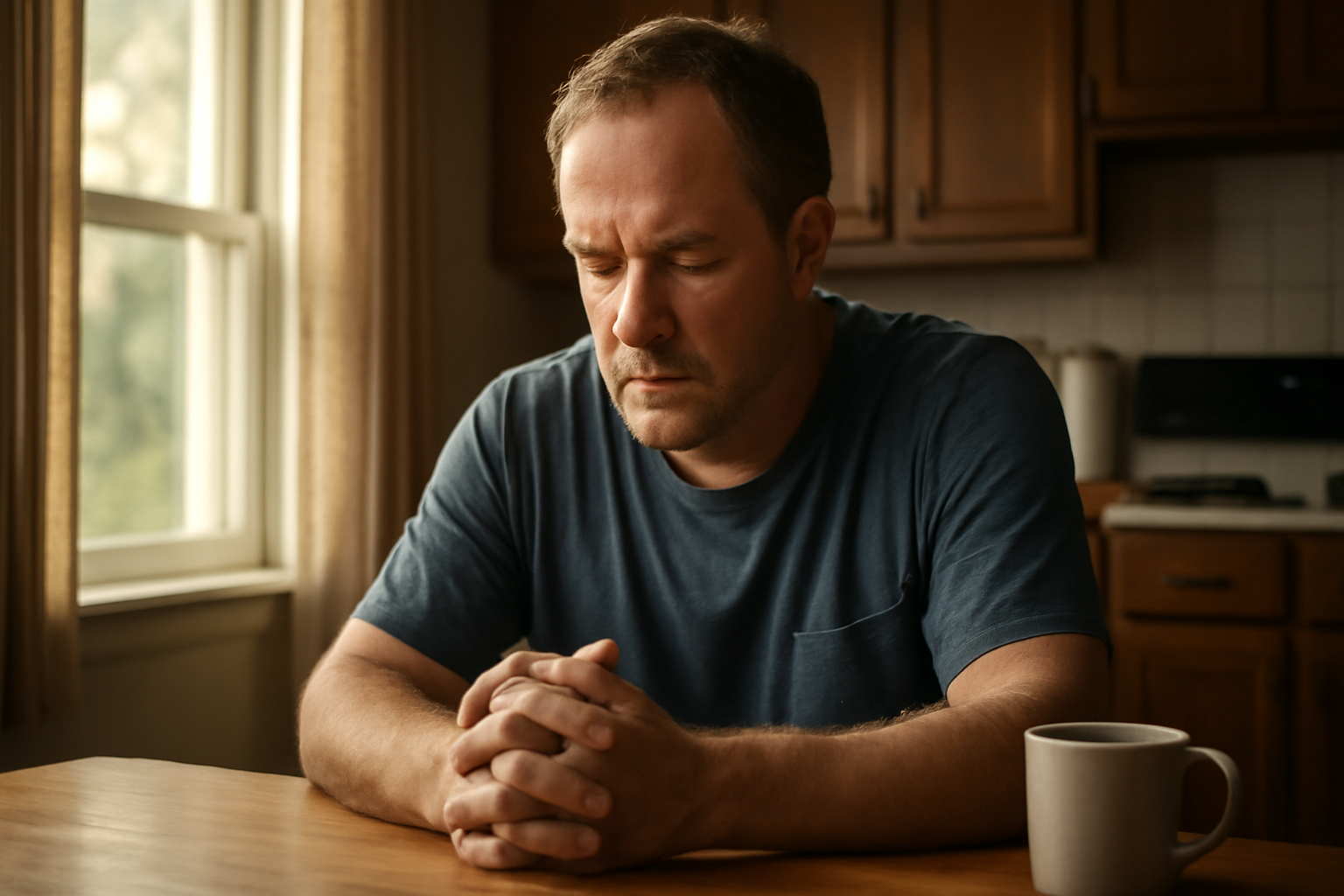
Post-traumatic stress disorder affects millions of Americans — and understanding it is the first step toward reclaiming your life.
Introduction
Marcus, 44, served two tours overseas before returning home to his family in Ohio. He came back physically unharmed, but sleep became impossible. Loud noises sent him into a panic. He stopped attending his daughter’s soccer games because crowds felt unbearable. His wife noticed he had become a stranger in his own home.
Marcus wasn’t weak or "broken." He had post-traumatic stress disorder — a serious but treatable mental health condition that affects roughly 13 million Americans every year, according to the U.S. Department of Veterans Affairs.
PTSD doesn’t only affect combat veterans. Survivors of accidents, abuse, natural disasters, or sudden loss can all develop this condition. In this guide, you’ll learn what PTSD actually is, how it’s diagnosed, what the most effective treatments look like in 2026, and — most importantly — how to take meaningful steps toward recovery.
What Is PTSD?
Post-traumatic stress disorder (PTSD) is a psychiatric condition that can develop after a person experiences or witnesses a life-threatening or deeply disturbing event. These events — called traumatic stressors — overwhelm the brain’s normal ability to process and recover from stress.
Unlike everyday anxiety or grief, PTSD involves lasting changes in how the brain and nervous system respond to perceived threats. Brain imaging studies published through the NIH have shown measurable differences in the amygdala (your brain’s alarm system), the hippocampus (memory processing), and the prefrontal cortex (rational thinking) in people with PTSD compared to those without it.
According to the National Center for PTSD, approximately 70% of adults in the U.S. will experience at least one traumatic event in their lifetime. Of those, an estimated 20% will go on to develop PTSD. Women are diagnosed at roughly twice the rate of men, though men are not immune and are often undertreated due to stigma.
PTSD is formally classified in the DSM-5 (Diagnostic and Statistical Manual of Mental Disorders, 5th Edition) as a trauma- and stressor-related disorder — not simply an anxiety disorder. That distinction matters because it shapes how it’s treated.
Signs and Symptoms of PTSD
PTSD symptoms typically fall into four main categories. They may begin within a month of the traumatic event, or they may not surface for months or even years. This variability is one reason PTSD is often misunderstood and misdiagnosed.
Re-experiencing symptoms (intrusion):
- Flashbacks — feeling like the trauma is happening again
- Nightmares related to the traumatic event
- Intrusive, distressing memories you can’t control
- Intense emotional or physical distress when reminded of the event
Avoidance symptoms:
- Deliberately avoiding people, places, conversations, or activities linked to the trauma
- Emotional numbness or feeling detached from loved ones
- Losing interest in activities you once enjoyed
Negative changes in mood and thinking:
- Persistent feelings of guilt, shame, or self-blame
- Distorted beliefs like "the world is completely dangerous" or "I can’t trust anyone"
- Difficulty experiencing positive emotions (emotional blunting)
- Feeling permanently damaged or hopeless about the future
Hyperarousal and reactivity symptoms:
- Being easily startled or feeling constantly "on edge"
- Difficulty sleeping or staying asleep
- Irritability or explosive anger outbursts
- Difficulty concentrating
- Reckless or self-destructive behavior
A 2023 meta-analysis published through NIH-indexed journals confirmed that sleep disturbances are among the most persistent and debilitating PTSD symptoms, affecting over 90% of individuals with a diagnosis. If you’re experiencing any of these symptoms for more than one month and they’re disrupting your daily life, it’s time to speak with a healthcare provider.
Causes and Risk Factors
Not everyone who experiences trauma develops PTSD. The condition involves a complex interaction of biological, psychological, and social factors.
Common traumatic events linked to PTSD include:
- Military combat and warzone exposure
- Sexual assault or childhood abuse
- Serious accidents or physical injury
- Natural disasters (hurricanes, wildfires, floods)
- Sudden death of a loved one
- Medical emergencies or life-threatening illness
- Witnessing violence or homicide
Risk factors that increase vulnerability to PTSD:
- Previous trauma exposure, especially in childhood
- Personal or family history of depression or anxiety
- Lack of social support after the traumatic event
- Ongoing life stress following the trauma
- Biological sex — women face a higher lifetime risk
- Certain professions: first responders, healthcare workers, military personnel
The CDC has highlighted that first responders — including EMTs, firefighters, and law enforcement — face significantly elevated PTSD rates compared to the general population, with some studies indicating prevalence as high as 30% in emergency medical personnel. This group is frequently undertreated due to workplace culture around mental health stigma.
Genetics also play a role. Research suggests that variations in genes related to serotonin regulation and the stress hormone cortisol may make some individuals more susceptible to developing PTSD after trauma exposure. This varies considerably from person to person.
Diagnosis: What to Expect
There’s no blood test or brain scan that definitively diagnoses PTSD. Diagnosis is clinical — meaning it’s based on a thorough evaluation by a qualified mental health professional or physician.
What the diagnostic process typically involves:
- A structured clinical interview reviewing your trauma history and current symptoms
- Use of validated tools like the PCL-5 (PTSD Checklist for DSM-5), a standardized self-report questionnaire
- Review of symptom duration (symptoms must persist for more than one month)
- Assessment of how symptoms are impacting your work, relationships, and daily functioning
- Ruling out other conditions that can mimic PTSD, such as depression, generalized anxiety disorder, traumatic brain injury (TBI), or substance use disorders
According to the American Psychological Association, PTSD is frequently underdiagnosed — particularly in primary care settings where providers may have limited time for in-depth mental health screening. If you suspect you have PTSD, be direct with your doctor. Mention specific symptoms like flashbacks, nightmares, or hypervigilance. Ask for a referral to a mental health specialist if needed.
For veterans and active military, the VA has dedicated PTSD screening programs and specialized treatment centers. If you have VA benefits, that is often an excellent first point of contact. You can also explore your mental health coverage options by reviewing what your health insurance actually pays for mental health care.
Treatment Options for PTSD
The encouraging reality is that PTSD is one of the most treatable serious mental health conditions. Research from the NIH and clinical practice guidelines from organizations like the American Psychological Association consistently support several evidence-based approaches.
Psychotherapy (First-Line Treatment)
Cognitive Processing Therapy (CPT) is one of the most thoroughly studied treatments for PTSD. It helps you identify and challenge unhelpful thoughts related to the trauma — such as excessive self-blame — and replace them with more balanced thinking. Clinical trials have shown CPT can significantly reduce PTSD severity in as few as 12 sessions.
Prolonged Exposure (PE) therapy involves gradually confronting trauma-related memories and situations in a safe, controlled environment. The goal is to reduce the fear response over time through a process called habituation. Research published through VA and DoD clinical practice guidelines consistently ranks PE among the most effective PTSD treatments available.
EMDR (Eye Movement Desensitization and Reprocessing) is a structured therapy that uses guided eye movements while a patient recalls traumatic memories. Though the mechanism is still debated among researchers, multiple clinical trials and a World Health Organization endorsement support its effectiveness for PTSD.
If you’re exploring therapy options from home, online therapy platforms have also shown real clinical promise for trauma-related disorders, offering greater accessibility for those in rural areas or with mobility limitations.
Medication
The FDA has approved two medications specifically for PTSD treatment: sertraline (Zoloft) and paroxetine (Paxil), both selective serotonin reuptake inhibitors (SSRIs). These medications can reduce the intensity of intrusive symptoms, hyperarousal, and associated depression or anxiety.
Other medications may be prescribed off-label by psychiatrists to address specific symptoms like nightmares or sleep disturbances. Always discuss medication options, benefits, and potential side effects with your prescribing physician — do not start, stop, or adjust medications without medical guidance.
Lifestyle as a Complementary Strategy
While lifestyle changes alone are not a treatment for PTSD, clinical evidence suggests they can meaningfully support recovery alongside professional treatment:
- Regular aerobic exercise — Studies published in journals indexed by NIH indicate that aerobic exercise reduces cortisol (the primary stress hormone) and promotes neuroplasticity, which may help the brain recover from trauma-related changes.
- Sleep hygiene practices — Given that sleep disruption is nearly universal in PTSD, structured sleep routines and cognitive behavioral therapy for insomnia (CBT-I) can be highly beneficial.
- Mindfulness and stress regulation — Mindfulness-based stress reduction (MBSR) programs have shown modest but meaningful reductions in PTSD symptoms in several clinical trials.
- Social connection — Strong social support is one of the most consistent protective factors against PTSD progression. Support groups — including veteran-specific peer groups — can reduce isolation.
Living With PTSD: Day-to-Day Management and Prevention
Managing PTSD is not a linear journey. Many people have setbacks, particularly during anniversaries of traumatic events, life stressors, or major transitions. This is normal — and it doesn’t mean treatment isn’t working.
Practical strategies supported by clinical research:
- Identify your personal triggers and develop a written coping plan with your therapist
- Practice grounding techniques when flashbacks or dissociation occur (e.g., the 5-4-3-2-1 sensory method)
- Limit alcohol and substance use — research consistently links both to worsening PTSD symptoms and poorer treatment outcomes
- Maintain a structured daily routine, which helps regulate the nervous system
- Communicate openly with trusted family members or caregivers about your needs and limits
Can PTSD be prevented? Not always — traumatic events are often unpredictable. However, research suggests that early psychological support following trauma (within the first few weeks), access to social support, and prompt professional evaluation can significantly reduce the likelihood of full PTSD development. This is sometimes called secondary prevention.
If you’re managing PTSD alongside another chronic condition like anxiety, you may find it helpful to review our guide on anxiety disorder symptoms, causes, and treatment for additional context on overlapping conditions.
When to Call Your Doctor or Seek Emergency Care
PTSD can become a medical emergency when it leads to suicidal thinking or self-harm. Do not wait to seek help if you notice the following warning signs:
🚨 Call 911 or go to the nearest emergency room immediately if you or someone you know:
- Is expressing thoughts of suicide or self-harm
- Has a plan or means to harm themselves
- Is in a state of severe dissociation or is unable to recognize reality
- Has harmed themselves or others
Crisis resources available 24/7:
- 988 Suicide & Crisis Lifeline: Call or text 988
- Veterans Crisis Line: Call 988, then press 1; or text 838255
- Crisis Text Line: Text HOME to 741741
Schedule a non-emergency appointment with your doctor or therapist if you:
- Have experienced trauma in the past month and are noticing early symptoms
- Feel your current treatment isn’t controlling your symptoms
- Notice increasing alcohol or substance use as a coping mechanism
- Are struggling to maintain employment, relationships, or daily responsibilities
- Have a loved one who seems to be experiencing PTSD symptoms but is resistant to seeking help
Frequently Asked Questions About PTSD
Q: Can PTSD develop years after a traumatic event?
Yes. What clinicians call "delayed-expression PTSD" can emerge months or even years after the original trauma. This often happens when a new stressor triggers previously dormant trauma memories. If you’re experiencing PTSD-like symptoms now but the trauma happened years ago, it’s still worth speaking with a mental health professional.
Q: Is PTSD a lifelong condition?
Not necessarily. With appropriate, evidence-based treatment, many people experience significant — and lasting — symptom reduction. Some achieve full remission. Others manage ongoing but much milder symptoms. Recovery looks different for everyone, and early treatment generally leads to better outcomes.
Q: Can children develop PTSD?
Absolutely. Children and adolescents can develop PTSD following abuse, accidents, natural disasters, or witnessing violence. Symptoms in children may look different from those in adults — they may act out the trauma in play, develop new fears, or regress developmentally (such as bedwetting after being toilet trained). A pediatric mental health specialist should be consulted if PTSD is suspected in a child.
Q: Does PTSD always involve flashbacks?
No. While flashbacks are a well-known symptom, many people with PTSD never experience classic flashbacks. PTSD can present primarily as emotional numbness, chronic irritability, depression, or pervasive hypervigilance without dramatic re-experiencing episodes. This is one reason the condition is frequently missed or misdiagnosed.
Q: Can PTSD occur after a medical event like surgery or a heart attack?
Yes. Medical trauma — including ICU stays, life-threatening diagnoses, cardiac events, or difficult childbirth experiences — is an increasingly recognized cause of PTSD. A 2022 study referenced through NIH found that up to 25% of ICU survivors may develop clinically significant PTSD symptoms. If you’ve experienced a frightening medical event and are struggling emotionally months later, raise this with your physician.
Conclusion
PTSD is not a character flaw, a sign of weakness, or something you can simply "get over." It is a recognized medical condition with real neurological underpinnings — and, critically, it responds well to treatment.
Whether your trauma happened last month or twenty years ago, it’s never too late to seek support. Evidence-based therapies like CPT and Prolonged Exposure, FDA-approved medications, and strong social support can all contribute meaningfully to recovery. Millions of Americans are living proof that a fulfilling life after PTSD is possible.
Your first step is a conversation with your doctor or a licensed mental health professional. You don’t have to have all the answers — just be willing to start. That conversation could change everything.
Medical Disclaimer: This article is for informational and educational purposes only. It does not constitute medical advice, diagnosis, or treatment. Always consult your physician or a qualified healthcare provider before making changes to your health routine or treatment plan.
Medically reviewed by our editorial health team. Content follows evidence-based standards aligned with CDC and NIH guidelines.