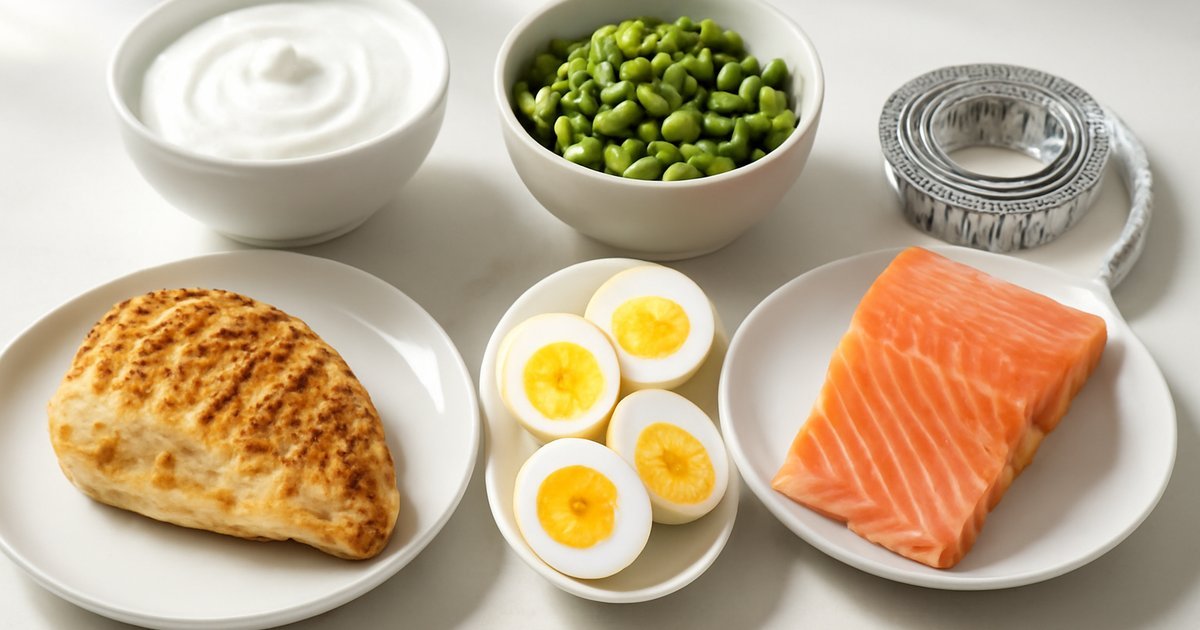
The right amount of protein could be the missing piece in your weight loss journey — and most Americans aren’t getting it strategically enough to make a real difference.
Introduction
Mark, 52, had been cutting calories diligently for four months. He was eating less, moving more, and still felt frustrated — constantly hungry, losing muscle tone, and barely seeing the scale move. When his doctor reviewed his food log, the issue became clear: Mark was getting plenty of carbohydrates and fats, but his protein intake was far too low for someone trying to lose fat and preserve lean body mass.
He’s far from alone. According to the National Institutes of Health (NIH), most American adults consume adequate total calories but frequently fall short on protein quality and timing — especially those over 40 who are actively trying to lose weight.
In this guide, you’ll learn how protein and weight loss are clinically connected, how much protein you actually need based on your age and activity level, which sources are most effective, and how to use protein strategically to support lasting fat loss — not just short-term scale drops.
What Is the Role of Protein in Weight Loss?
Protein is one of the three macronutrients — alongside carbohydrates and fats — that your body uses for energy and structural repair. But unlike the other two, protein plays a uniquely powerful role when it comes to body composition and weight management.
Here’s why: protein requires more energy to digest and absorb than carbohydrates or fats. This is called the thermic effect of food (TEF). Research suggests that protein has a thermic effect of approximately 20–30%, compared to just 5–10% for carbohydrates and 0–3% for fat. That means your body burns more calories simply processing a high-protein meal.
Beyond calorie burning, protein is the primary building block for muscle tissue. When you lose weight without adequate protein, your body often breaks down muscle for fuel — a process called muscle catabolism. Less muscle means a slower metabolism over time, which is one reason so many people regain weight after dieting.
According to a meta-analysis published in the American Journal of Clinical Nutrition, higher-protein diets consistently outperformed standard-protein diets for fat loss, appetite control, and preservation of lean muscle mass in adults with overweight or obesity.
Signs You May Not Be Getting Enough Protein
Many people don’t realize they’re under-consuming protein until they start experiencing indirect symptoms. Watch for these early and advanced signs:
Early signs of insufficient protein intake:
- Persistent hunger between meals, even after eating
- Low energy or mid-afternoon fatigue
- Slow recovery after exercise or physical activity
- Difficulty building or maintaining muscle despite working out
- Frequent cravings for sugary or high-carb foods
More advanced signs:
- Noticeable muscle loss or weakness
- Hair thinning or increased shedding
- Slower wound healing
- Brittle nails or skin changes
- Increased susceptibility to illness
Clinical evidence indicates that adults over 50 are particularly vulnerable to protein insufficiency during caloric restriction, as the body’s ability to synthesize muscle protein becomes less efficient with age — a phenomenon known as anabolic resistance.
How Much Protein Do You Need for Weight Loss?
This is where it gets specific — and surprisingly, the answer varies more than most people think.
The standard Recommended Dietary Allowance (RDA) for protein, set by the NIH, is 0.8 grams per kilogram of body weight per day for sedentary adults. However, most nutrition researchers and clinicians agree this number is a minimum for preventing deficiency — not an optimal target for weight loss or healthy aging.
Clinical evidence increasingly supports higher protein targets for people actively trying to lose weight:
- Moderately active adults trying to lose weight: 1.2 to 1.6 grams per kilogram of body weight per day
- Adults over 50 or those preserving muscle during fat loss: 1.6 to 2.0 grams per kilogram of body weight per day
- People doing resistance training while losing weight: Up to 2.2 grams per kilogram of body weight per day
To put this in practical terms: a 180-pound (82 kg) adult aiming for fat loss might target 98 to 164 grams of protein per day — significantly more than the 58 grams suggested by the basic RDA.
This varies from person to person, and your physician or a registered dietitian can help you calculate a personalized target based on your current weight, activity level, kidney health, and goals.
A 2020 clinical review published by the Mayo Clinic reinforced that protein intakes in the range of 1.2 to 2.0 g/kg/day are both safe and beneficial for healthy adults without kidney disease who are managing their weight.
Best Protein Sources for Weight Loss
Not all protein is created equal. The quality of protein matters as much as the quantity. Proteins are rated by their amino acid profile and bioavailability — how efficiently your body can absorb and use them.
High-quality animal-based proteins:
- Chicken breast and turkey (lean, high-protein, low-fat)
- Eggs and egg whites (complete protein, highly bioavailable)
- Greek yogurt (protein plus probiotics)
- Canned or fresh fish like tuna, salmon, and cod
- Low-fat cottage cheese
- Lean cuts of beef or pork (in moderation)
High-quality plant-based proteins:
- Lentils and chickpeas
- Black beans and edamame
- Tofu and tempeh
- Quinoa (a complete plant protein)
- Hemp seeds and chia seeds
A note on protein supplements: Whey protein, pea protein, and casein supplements can be useful tools for meeting daily targets, particularly after exercise. Research suggests that whey protein in particular supports muscle protein synthesis effectively. However, whole foods should form the foundation of your protein intake whenever possible.
If you’re curious about how hormonal factors also influence your ability to lose weight, our article on Weight Loss Plateau: Why It Happens and How to Break It provides useful context on what else may be working against your progress.
Protein Timing: Does It Matter?
Beyond total daily intake, emerging research suggests that how and when you distribute protein throughout the day may influence both muscle retention and appetite control.
Most Americans consume the majority of their protein at dinner — a pattern that research suggests is suboptimal. Clinical evidence indicates that spreading protein evenly across three to four meals, with 25 to 40 grams per sitting, maximizes muscle protein synthesis throughout the day compared to front-loading or back-loading protein.
Key protein timing strategies supported by clinical evidence:
- Start breakfast with protein: A high-protein breakfast (20–30 grams) has been shown to reduce overall calorie intake throughout the day by increasing satiety hormones like peptide YY and GLP-1.
- Pre- and post-workout protein: Consuming protein within two hours of resistance exercise helps stimulate muscle repair and reduce breakdown during a caloric deficit.
- Evening protein: A moderate amount of casein-rich protein before bed (such as cottage cheese) may support overnight muscle repair without significantly increasing total calories.
According to a study in the Journal of Nutrition, participants who distributed protein evenly across meals retained significantly more lean muscle mass during a calorie-restricted diet compared to those who consumed most protein at the evening meal.
Living With a High-Protein Diet: Practical Day-to-Day Tips
Understanding the science is one thing — actually implementing a higher-protein diet in a busy American life is another. Here are practical, doctor-friendly strategies:
Plan your protein anchor first: When building any meal, start with your protein source and build the rest of the plate around it. This simple mindset shift naturally increases protein intake without complex tracking.
Stock protein-forward snacks: Hard-boiled eggs, string cheese, Greek yogurt, edamame, and roasted chickpeas are convenient high-protein options that satisfy hunger between meals.
Read nutrition labels: Many packaged foods that appear healthy are actually protein-poor. Aim for snacks and meals with at least 15–20 grams of protein per serving.
Batch cook lean proteins: Preparing chicken breast, ground turkey, or lentils in bulk at the beginning of the week reduces the chance of falling back on lower-protein convenience foods.
Hydrate adequately: Higher protein diets increase the kidneys’ workload slightly. Most healthy adults should drink at least 8 cups of water daily, and more if they are physically active.
For broader context on sustainable approaches to weight management, you may also find our guide on Insulin Resistance: Signs, Causes & How to Manage It helpful, as insulin sensitivity plays a direct role in how your body stores and burns fat.
When to Call Your Doctor or Registered Dietitian
While increasing dietary protein is safe for most healthy adults, there are important exceptions and red flags to be aware of.
Consult your doctor before significantly increasing protein if you have:
- Chronic kidney disease (CKD) — high protein intake can accelerate kidney damage in people with existing kidney problems
- Liver disease
- A history of kidney stones, particularly uric acid or calcium oxalate stones
- Gout or elevated uric acid levels
- Any condition requiring a medically supervised diet
Emergency or urgent medical attention is needed if you experience:
- Severe swelling in the legs, hands, or face (may indicate kidney or heart issues)
- Significant unexplained weight loss (more than 10 pounds without intentional change)
- Dark, foamy, or significantly reduced urine output (may indicate kidney stress)
- Severe fatigue, confusion, or muscle weakness unrelated to exercise
If you’re over 60 or managing a chronic condition, always work with your physician or a registered dietitian (RD) to set a protein target that fits your specific health profile. The American Dietetic Association recommends individualized nutrition counseling for adults managing chronic conditions and weight simultaneously.
Frequently Asked Questions
Q: Can eating more protein actually help me lose weight faster?
A: Research suggests yes — but not by magic. Higher protein intake supports weight loss primarily by increasing satiety (keeping you fuller longer), preserving muscle mass during a caloric deficit, and slightly boosting calorie burn through the thermic effect of food. These effects together tend to make it easier to maintain a calorie deficit without feeling deprived.
Q: Is a high-protein diet safe for people over 50?
A: For most healthy adults over 50, higher protein intakes in the range of 1.2 to 2.0 grams per kilogram of body weight are not only safe but actively recommended by many geriatric nutrition specialists. Age-related muscle loss (sarcopenia) makes adequate protein even more critical in this age group. Always check with your doctor if you have any kidney concerns.
Q: Will eating too much protein turn into fat?
A: Like any macronutrient, protein consumed in excess of your total caloric needs can contribute to fat storage. However, protein is the least likely macronutrient to be converted to fat due to its high thermic effect and the body’s preference for using it for muscle repair. Most people find it difficult to substantially overconsume protein compared to carbohydrates or fats.
Q: Do I need protein shakes to meet my protein goals?
A: No — protein shakes are a convenient supplement but not a necessity. Most people can meet their protein targets through whole food sources alone with thoughtful meal planning. Protein shakes may be particularly useful for people with high protein targets (such as those doing regular resistance training) or those who struggle to eat enough whole food protein at certain meals.
Q: How does protein help preserve muscle when I’m losing weight?
A: When you’re in a caloric deficit, your body needs amino acids (the building blocks found in protein) to repair and maintain existing muscle tissue. Without adequate dietary protein, the body breaks down muscle to obtain these amino acids — a process that slows your metabolism and can make long-term weight maintenance much harder. Clinical evidence indicates that high-protein diets reduce this muscle breakdown significantly during weight loss.
Conclusion
Protein isn’t just a fitness buzzword — it’s a clinically supported pillar of effective, sustainable weight loss. Getting the right amount, from the right sources, at the right times can make the difference between losing weight and losing both weight and muscle — or between feeling constantly hungry and feeling genuinely satisfied.
The good news is that most of the adjustments required are practical and achievable without extreme dieting. Start by assessing your current protein intake, then work gradually toward a target that fits your age, activity level, and health status.
Most importantly, partner with your physician or a registered dietitian to personalize your approach. What works for one person may need adjustment for another — and that individualization is where lasting results come from.
This article is for informational and educational purposes only. It does not constitute medical advice, diagnosis, or treatment. Always consult your physician or a qualified healthcare provider before making changes to your health routine or treatment plan.
Medically reviewed by our editorial health team. Content follows evidence-based standards aligned with CDC and NIH guidelines.
Leave a Reply